
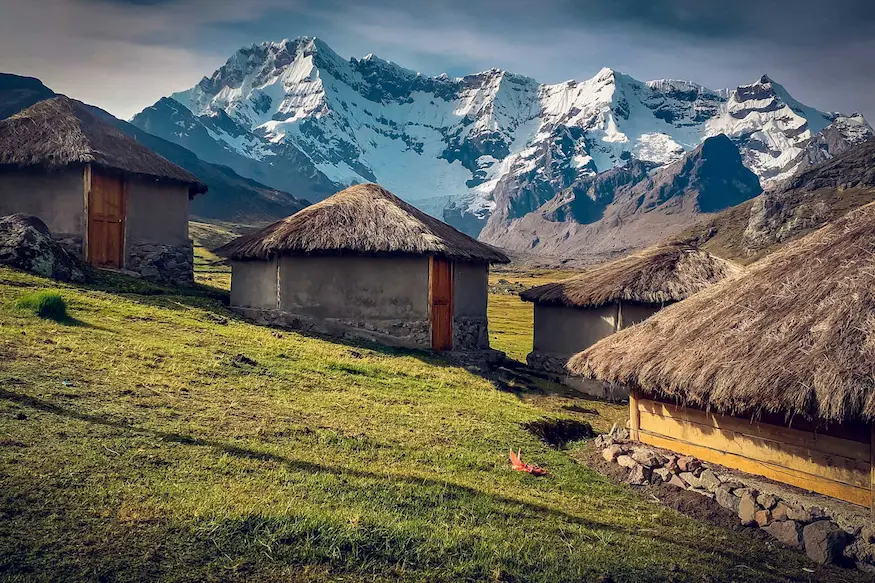
Ausangate Huts and Cabins
Table of Contents
Ausangate Huts and Cabins
If you are looking to hike the Ausangate Trek but want more comfort than a tent in subzero temperatures, Ausangate huts and cabins are the perfect solution. Nestled in the towering Andes of southern Peru, these cozy accommodations offer warmth, protection, and cultural immersion—all while placing you right in the heart of the trek’s dramatic landscape.
In this comprehensive guide, you will discover everything you need to know about staying in huts and cabins along the Ausangate route: what they offer, where they are located, how to book, and what to expect from the experience.
What Are Ausangate Huts and Cabins?
Ausangate huts and cabins are small, purpose-built lodges located at key campsites along the trek. They range from basic shelters with bunk beds to fully equipped cabins with insulation, wood-burning stoves, private bathrooms, and alpaca blankets.
These rustic accommodations are often operated by local communities or eco-tourism organizations. Staying in them helps support sustainable tourism and reduces the environmental impact of trekking.
Key Benefits of Staying in Huts and Cabins
Warmth and Comfort
At altitudes above 4,000 meters, nighttime temperatures regularly drop below freezing. Cabins offer protection from wind, rain, and snow, with real beds, thick blankets, and in some cases, heating.
Altitude Safety
Proper rest at high elevation is essential. Sleeping in a dry, warm, and comfortable bed can help your body recover and acclimatize faster.
Cultural Immersion
Many huts are run by indigenous Quechua families. Your stay may include home-cooked meals, stories by the fire, and insights into Andean life, adding depth to your trek.
Environmental Impact
Staying in cabins reduces the need for portable gear, generators, and tent waste. Most huts use solar power, composting toilets, and other sustainable features.
Popular Huts and Cabin Locations Along the Ausangate Trek
Upis
Altitude: 4,400 m / 14,435 ft
Known For: Hot springs, views of Ausangate Glacier
Facilities: Basic cabins, often with nearby thermal baths
Anantapata
Altitude: 4,700 m / 15,420 ft
Known For: Night sky views, crossroads to Rainbow Mountain
Facilities: Multi-room cabins with common dining areas
Sorapata / Surapata
Altitude: 4,600 m / 15,090 ft
Known For: Proximity to colorful mountain ranges
Facilities: Comfortable beds, fireplaces, and some solar-powered lighting
Jampa
Altitude: 4,900 m / 16,076 ft
Known For: High mountain passes and wildlife (vicuñas, condors)
Facilities: Rustic huts often shared with small groups or other trekkers
Pacchanta
Altitude: 4,300 m / 14,107 ft
Known For: Final night stop with hot springs and interaction with local families
Facilities: Cozy community-run cabins with Andean meals
What to Expect Inside an Ausangate Cabin
Sleeping Arrangements: Single or shared rooms with twin beds or bunks
Linens: Wool or alpaca blankets, thermal sleeping bags provided or rented
Bathrooms: Shared composting toilets or outhouses; some locations offer hot showers
Electricity: Usually solar-powered and limited to main areas
Meals: Prepared by local cooks, typically including quinoa soup, trout, potatoes, and coca tea
How to Book Ausangate Huts and Cabins
Through a Tour Operator
Most travelers arrange cabin stays as part of a guided trek. Tour agencies like Andean Lodges or local providers often bundle lodging, meals, porters, and guides into a package.
With Community Programs
Some indigenous communities directly manage cabins and work with eco-tourism networks. Booking through these programs ensures that revenue stays local.
Independent Hikers
While less common, it is possible to contact certain lodges directly. However, independent hikers must be self-sufficient and may face limited availability.
Best Time to Hike the Ausangate Trek With Cabins
The dry season from May to September is ideal for trekking. Trails are less muddy, skies are clearer, and temperatures, though cold, are stable.
Avoid the rainy season (December to March), as paths become slippery and some cabins may close or reduce operations.
What to Pack for a Cabin Trek
Even with huts, Ausangate is still a high-altitude wilderness trek. Essentials include:
Warm layers (merino wool, down jackets, thermal underwear)
Waterproof boots and rain gear
Altitude medication (acetazolamide)
Sunscreen and sunglasses
Daypack with water reservoir
Power bank (for charging devices)
Cash for tips and local purchases
Some agencies provide duffel bags or allow mules to carry personal gear between cabins.
Is Staying in Cabins More Expensive?
Yes, the cost is generally higher than basic camping. However, the value in warmth, meals, safety, and cultural immersion makes it well worth it.
Average guided cabin trek cost:
4-day trek: $600–$900 USD
5-day trek: $700–$1,100 USD
Prices usually include transportation, meals, bilingual guides, and park permits.
Who Should Choose Cabins Over Camping?
Ideal for:
Trekkers unaccustomed to cold weather
Families or older hikers wanting comfort
Photographers and nature lovers needing full energy daily
Travelers interested in cultural interaction
Camping is better for:
Budget travelers
Solo or DIY hikers
Those already acclimatized and experienced in high-elevation wilderness
Comparison Table: Cabins vs. Camping on Ausangate
| Feature | Cabins & Huts | Camping with Tents |
|---|---|---|
| Comfort | Beds, blankets, enclosed spaces | Sleeping bag on mat |
| Warmth | Better insulation and protection | Cold, especially at night |
| Meals | Cooked in kitchens | Campfire or portable stove |
| Cost | Higher, but all-inclusive | Lower, more DIY |
| Cultural Experience | Often hosted by locals | Less interaction |
| Environmental Impact | Lower (shared utilities) | Moderate (tent waste, fuel) |
Final Thoughts on Ausangate Huts and Cabins
Choosing to stay in Ausangate huts and cabins transforms this trek from a rugged endurance test into a warm and intimate cultural journey. Whether you are chasing alpine beauty, spiritual connection, or sustainable travel, these cabins deliver comfort without compromising authenticity.
By supporting local communities and reducing your ecological footprint, cabin stays offer not just a better night’s sleep—but a better kind of travel.
Are you ready to live one of the most incredible experiences on the planet?
Machu Picchu is not only a wonder of the world, it is a journey that transforms your soul.
Machu Picchu Tickets, makes your dream of seeing the sacred city of the Incas come true with tours carefully designed for all styles of travelers. Whether you’re looking for an epic hike along the Inca Trail, a scenic train tour or a private getaway, we have the perfect trip for you.
Normally booked 60 days in advance.

