
Salkantay Pass: The Complete Guide for Trekkers to Machu Picchu
Table of Contents
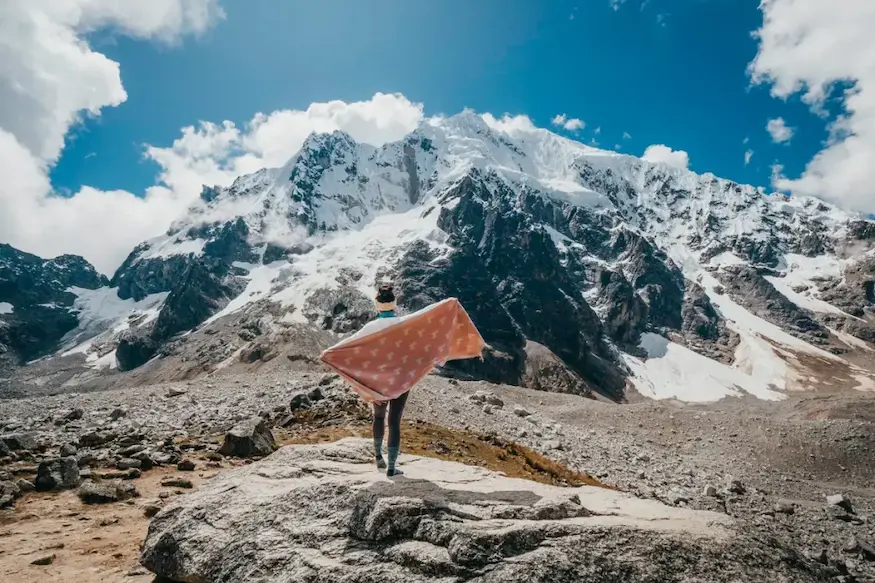
The Salkantay Pass is one of the most spectacular sections of the Salkantay Trek to Machu Picchu, offering breathtaking views of snow-capped peaks, glaciers, and rugged Andean landscapes. Located at an altitude of 4,630 meters (15,190 feet) above sea level, this high-mountain pass connects the Soraypampa Valley with the lush jungles leading to the famous Inca citadel.
If you’re planning to hike the Salkantay Trek or simply want to learn more about the Salkantay Pass, this comprehensive guide covers everything: how to get there, difficulty level, altitude tips, best time to visit, and what to expect during this incredible adventure.
What is the Salkantay Pass?
The Salkantay Pass is the highest point of the Salkantay Trek, located on the slopes of the imposing Salkantay Mountain, one of the most sacred peaks in Inca culture. The name “Salkantay” comes from the Quechua words “Salka” (wild) and “Antay” (avalanche), which together mean “Wild Mountain”.
Reaching this pass is one of the highlights of the trek. From here, you’ll enjoy 360° panoramic views of the Salkantay Glacier, Humantay Mountain, and surrounding valleys. Despite the challenging ascent, the reward is an unforgettable experience for nature lovers and adventurers.
Where is the Salkantay Pass Located?
The pass lies within the Cusco region of Peru, in the Vilcabamba Mountain Range. It’s approximately 60 km (37 miles) northwest of Cusco city and forms part of the Salkantay Trek, one of the best alternatives to the Classic Inca Trail.
Altitude: 4,630 m / 15,190 ft
Distance from Cusco: ~60 km / 37 miles
Trek section: Day 2 of the Salkantay Trek
How to Reach the Salkantay Pass
The Salkantay Pass is only accessible on foot as part of the Salkantay Trek. Most hikers begin their journey in Cusco and reach the pass on Day 2 of the trek.
Step 1: Cusco to Mollepata / Challacancha
Distance: 120 km (~3.5 hours by car)
Private transport or tour buses take you to Mollepata or Challacancha, where the trek officially begins.
Step 2: Hike to Soraypampa
Altitude: 3,900 m / 12,795 ft
Distance: ~7 km (4.3 miles)
This is where most groups spend their first night.
Step 3: Soraypampa to Salkantay Pass
On Day 2, you ascend along a steep, zigzagging trail for about 3 to 4 hours until you reach the pass.
The views of the Salkantay Glacier along this section are simply unforgettable.
The Trekking Experience
The climb to the Salkantay Pass is one of the most demanding parts of the trek but also the most rewarding.
Distance and Duration
Total distance: 7 km / 4.3 miles (from Soraypampa to the pass)
Duration: ~3 to 4 hours uphill
Elevation gain: ~730 m / 2,395 ft
Terrain
The path is steep and rocky, with sections covered in loose gravel. At times, the trail can be snowy or muddy, depending on the season.
Scenery
Towering glaciers
Turquoise alpine lakes
Wide valleys and highland plateaus
Herds of llamas and alpacas grazing freely
Difficulty Level
The trek to the Salkantay Pass is considered moderate to challenging due to:
High altitude: Oxygen levels drop significantly above 4,000 meters.
Steep ascent: The climb from Soraypampa involves a continuous uphill effort.
Weather conditions: It can be cold, windy, and unpredictable.
However, with proper acclimatization and preparation, most hikers complete it successfully.
Best Time to Visit the Salkantay Pass
Choosing the right season is crucial for an enjoyable experience.
Dry Season (April – October) – Best Time
Weather: Clear skies, minimal rain, and great visibility.
Temperature: Daytime 15°C / 59°F; nighttime can drop to -5°C / 23°F.
Crowds: July and August are the busiest months.
Rainy Season (November – March)
Weather: Frequent rain, muddy trails, and reduced visibility.
Advantage: Fewer crowds and greener landscapes.
Disadvantage: Higher risk of landslides and trail closures.
Weather at the Salkantay Pass
The climate is cold and unpredictable due to the high altitude.
Daytime temperature: 5°C to 12°C (41°F to 54°F)
Nighttime temperature: Can drop below freezing.
Conditions: Expect strong winds, sudden rain, and even snow during some months.
Tip: Always dress in layers and carry waterproof gear.
Altitude Sickness at Salkantay Pass
Since the pass reaches 4,630 meters, altitude sickness is common. Symptoms may include headache, dizziness, shortness of breath, and nausea.
How to Prevent It
Spend at least 2-3 days in Cusco before the trek to acclimatize.
Stay hydrated and avoid alcohol.
Drink coca tea, a traditional remedy.
Walk slowly and take frequent breaks.
Consider consulting your doctor about acetazolamide (Diamox).
Salkantay Pass vs Inca Trail
Both treks lead to Machu Picchu, but they offer very different experiences.
| Feature | Salkantay Trek | Classic Inca Trail |
|---|---|---|
| Highest Point | 4,630 m (Salkantay Pass) | 4,215 m (Dead Woman’s Pass) |
| Difficulty | Moderate to Challenging | Moderate |
| Crowds | Less crowded | Limited permits, high demand |
| Scenery | Glaciers, lakes, jungle | Inca ruins, cloud forests |
| Permit Required | No special permit needed | Strictly limited permits |
| Duration | 4 to 5 days | 4 days |
Wildlife and Flora Around Salkantay Pass
The Salkantay region is rich in biodiversity thanks to its varied microclimates.
Wildlife
Vizcachas (Andean rabbits)
Spectacled bears (rare sightings)
Condors soaring above the peaks
Hummingbirds and Andean hawks
Flora
Colorful orchids
Polylepis forests
High-altitude grasses
Medicinal Andean plants
Packing List for the Salkantay Pass
Here’s what you should bring to tackle the pass comfortably:
Clothing
Thermal base layers
Waterproof jacket and pants
Fleece or down jacket
Hiking boots with good grip
Gloves, hat, and sunglasses
Gear
Trekking poles
Backpack (30L recommended)
Sleeping bag rated for -10°C
Headlamp with extra batteries
Essentials
Reusable water bottle or hydration pack
Sunscreen and lip balm
Snacks rich in energy
Personal medications
First aid kit
Photography Tips
Golden Hour: Sunrise at the pass offers incredible lighting.
Lenses: A wide-angle lens is ideal for capturing the vast landscapes.
Battery Care: Keep batteries warm; cold temperatures drain them quickly.
Tips for a Successful Trek
Book early during high season (May – September).
Acclimatize in Cusco before the trek.
Stay hydrated and eat light before the ascent.
Hire local guides for safety and cultural insights.
Travel sustainably by carrying out all your waste.
Salkantay Pass and Machu Picchu Connection
After conquering the pass, the trail gradually descends into lush cloud forests and ends near Aguas Calientes, the gateway to Machu Picchu. This combination of high Andean peaks and tropical jungle makes the Salkantay Trek one of the most diverse and rewarding journeys in Peru.
Finally
The Salkantay Pass is more than just a high-altitude crossing; it’s a gateway to some of the most stunning landscapes in the Andes and a key highlight of the Salkantay Trek to Machu Picchu. Whether you’re an experienced trekker or a nature enthusiast, this journey promises a unique blend of adventure, culture, and breathtaking scenery.
Are you ready to live one of the most incredible experiences on the planet?
Machu Picchu is not only a wonder of the world, it is a journey that transforms your soul.
Machu Picchu Tickets, makes your dream of seeing the sacred city of the Incas come true with tours carefully designed for all styles of travelers. Whether you’re looking for an epic hike along the Inca Trail, a scenic train tour or a private getaway, we have the perfect trip for you.
Normally booked 60 days in advance.

