
Salkantay Trek Weather: What You Need to Know Before You Go
The Salkantay Trek is one of the most scenic and challenging alternatives to the Inca Trail, offering hikers a high-altitude journey through the Peruvian Andes. Understanding the weather on the Salkantay is essential for safe and enjoyable planning, especially as conditions vary greatly depending on altitude and time of year.
Table of Contents
What Is the Salkantay Trek and Why Is Weather Important?
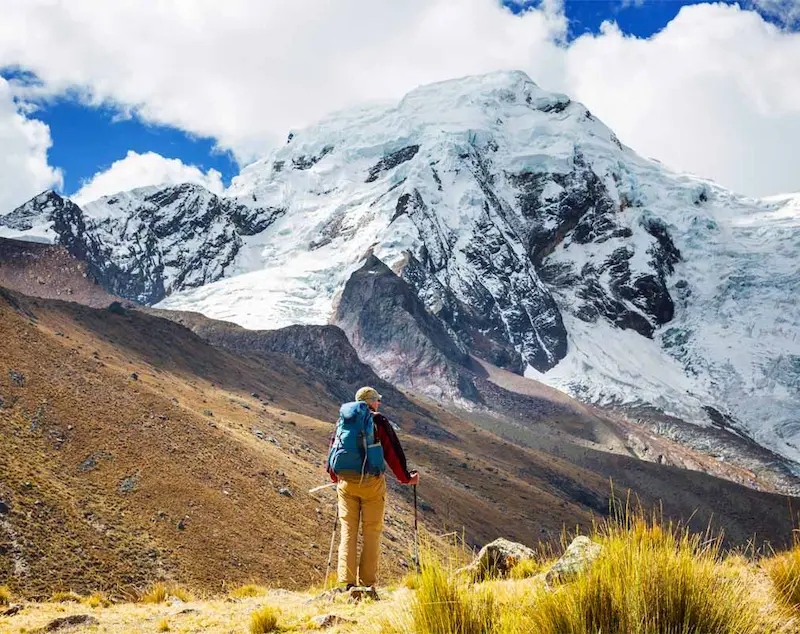
The Salkantay Trek climbs to more than 4,600 meters above sea level at the Salkantay Pass, making it vital to be prepared for sudden weather changes. From freezing mountain passes to humid jungle trails, being informed can help you choose the best time and pack appropriately.
Dry Season vs. Rainy Season on the Salkantay Trek
Dry Season (May to September)
-
Clear skies, low rainfall
-
Cold mornings and nights; temperature can drop below freezing
-
Excellent for photos and safe trail conditions
Rainy Season (October to April)
-
Frequent showers and muddy paths
-
Higher risk of landslides or trail closures
-
Vivid scenery but less stable trail conditions
-
Some parts of the trail may be inaccessible
While the Inca Trail closes in February for maintenance, the Salkantay Trek remains open. However, February is not recommended due to unsafe weather.
Key Weather Conditions by Trekking Point
| Location | Altitude (m.a.s.l.) | Day Temperature | Night Temperature | Weather Notes |
|---|---|---|---|---|
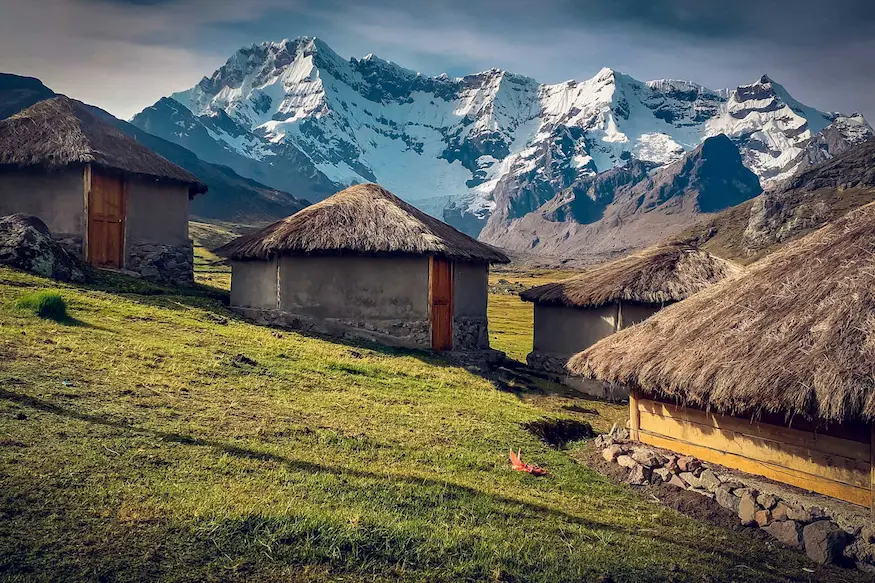
| Soraypampa Camp | 3,900 | 10–15°C | -5 to 5°C | Coldest camp with strong winds |
| Salkantay Pass | 4,630 | 5–10°C | -5 to 0°C | Highest point, snow and wind likely |
| Chaullay | 2,900 | 15–20°C | 5–10°C | Warmer climate begins |
| La Playa | 2,000 | 20–25°C | 10–15°C | Subtropical, occasional rainfall |
| Aguas Calientes | 2,040 | 22–28°C | 12–16°C | Humid, close to Machu Picchu entrance |
Monthly Climate Overview for Salkantay Region
| Month | Avg Temp (°C) | Rainfall (mm) | Trekking Conditions |
|---|---|---|---|
| January | 15 | 190 | Very rainy, poor trail conditions |
| February | 15 | 200 | Risky, potential landslides |
| March | 16 | 180 | Trails still wet and unstable |
| April | 17 | 80 | Dry season begins, improving paths |
| May | 16 | 20 | Ideal trekking conditions |
| June | 15 | 10 | Cold nights, stable weather |
| July | 15 | 10 | Clear skies and great visibility |
| August | 16 | 15 | Peak trekking season |
| September | 17 | 25 | Slight warming trend |
| October | 18 | 70 | Rain increases gradually |
| November | 17 | 120 | Trail becomes muddy |
| December | 16 | 160 | Wet and humid |
How Altitude Impacts Weather on the Salkantay Trek
The Salkantay route passes through several microclimates, from high-altitude alpine zones to tropical cloud forests. As a result:
-
Weather changes quickly between sunshine, fog, and rain
-
Temperature can drop significantly at night, especially above 4,000 meters
-
Warm days may be followed by freezing nights at camps like Soraypampa
Packing based on both altitude and season is crucial for a successful experience.
What to Pack for the Salkantay Trek
Due to the dynamic trek weather, proper gear is essential. Below is a weather-focused packing checklist:
-
Layered clothing system (thermal base, insulating mid-layer, waterproof outer)
-
Hat, gloves, and scarf for early mornings and nights
-
Quick-dry hiking pants and shirts
-
Waterproof jacket and backpack cover
-
Sunscreen, sunglasses, and lip balm
-
High-quality sleeping bag rated for sub-zero temperatures
-
Trekking poles for slippery conditions
-
Reusable water bottle and purification tablets
Always bring warm clothing, regardless of the season.
Comparing Salkantay Trek and Inca Trail Weather
| Feature | Salkantay Trek | Inca Trail |
|---|---|---|
| February availability | Open (not advised) | Closed for maintenance |
| Max elevation | 4,630 m (Salkantay Pass) | 4,215 m (Dead Woman’s Pass) |
| Terrain | Remote, open exposure | Forested and sheltered |
| Climate zones crossed | Alpine to subtropical | Cloud forest and high jungle |
Both routes end at Machu Picchu, but the Salkantay Trek offers greater exposure to extreme weather due to its elevation and remoteness.
Planning Your Trip According to Salkantay Trek Weather
-
Review the weather forecast a week before departure.
-
Avoid the rainy season, especially January through March.
-
Choose the dry season (May to September) for the safest and most scenic trek.
-
Pack appropriately for temperatures that vary by altitude and time of day.
-
Book accommodations in Aguas Calientes for post-trek recovery.
Common Questions About Weather on the Salkantay Trek
Is it safe to hike during the rainy season?
No, trail conditions can be hazardous due to rain, mud, and landslides.
How cold does it get at night?
At camps like Soraypampa, temperatures may fall to -5°C or lower during the dry season.
Do I need warm clothes in the dry season?
Yes, even with clear skies, nighttime temperatures can be freezing at high altitude.
What is the highest point of the trek?
The Salkantay Pass, sitting at 4,630 meters above sea level, is the coldest and most exposed section.
Finally
Understanding the Salkantay Trek weather is crucial for a successful and safe hike to Machu Picchu. The dry season offers the best conditions, while the rainy season should be avoided due to safety concerns. From the cold heights of the Salkantay Pass to the warmer air of Aguas Calientes, this trail demands careful planning and the right gear. By preparing for both sunshine and sudden drops in temperature, you’ll ensure an unforgettable Andean adventure.
[custom_tour_card url=”5-days-4-nights”]
Are you ready to live one of the most incredible experiences on the planet?
Machu Picchu is not only a wonder of the world, it is a journey that transforms your soul.
Machu Picchu Tickets, makes your dream of seeing the sacred city of the Incas come true with tours carefully designed for all styles of travelers. Whether you’re looking for an epic hike along the Inca Trail, a scenic train tour or a private getaway, we have the perfect trip for you.
Don’t miss Machu Picchu
Normally booked 60 days in advance.