

Inca Trail Altitude Sickness: What Every Trekker Should Know
Hiking the Inca Trail to Machu Picchu is a once-in-a-lifetime adventure. However, one of the most common and underestimated challenges along the route is altitude sickness. Whether you’re hiking the classic 4-day trail or a shorter version, altitude-related symptoms can affect even the fittest trekkers. Understanding what altitude sickness is—and how to prevent it—can make the difference between a safe, memorable experience and a medical emergency.
Table of Contents
What Is Altitude Sickness?
Altitude sickness, also known as acute mountain sickness (AMS), occurs when your body struggles to adjust to lower oxygen levels at higher elevations. The higher you go, the thinner the air becomes, and this can put stress on your respiratory and circulatory systems.
Most cases are mild, but in some situations, symptoms can escalate and become dangerous if ignored.
How High Is the Inca Trail?
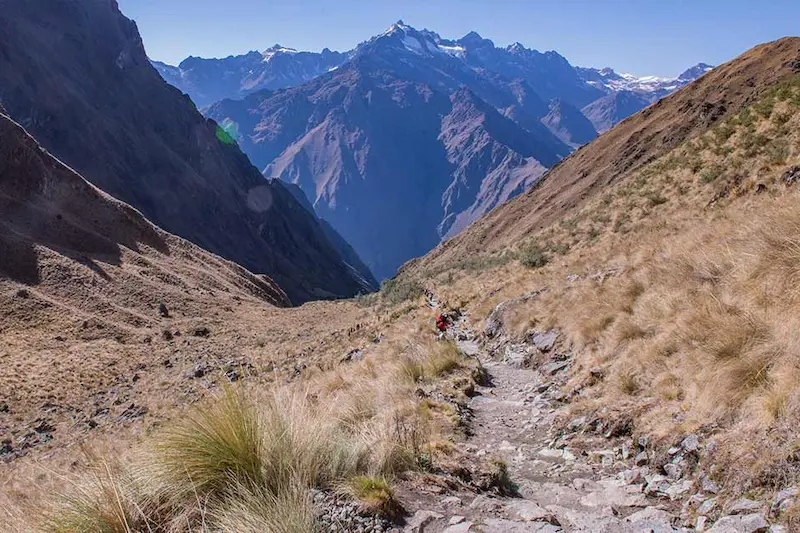
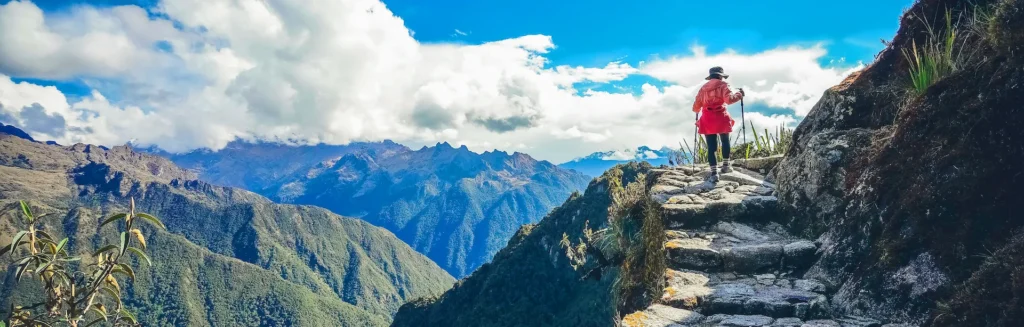
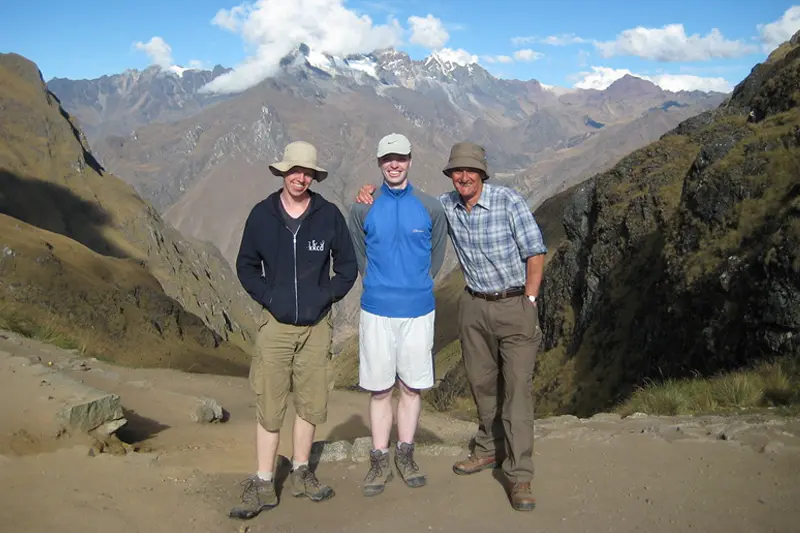
The Inca Trail begins at 2,600 meters (8,530 ft) at Km 82 near Ollantaytambo and climbs to over 4,215 meters (13,828 ft) at the infamous Dead Woman’s Pass (Warmiwañusca)—the highest point on the route. From there, the trail gradually descends to 2,430 meters (7,972 ft) at Machu Picchu.
This range in altitude means trekkers are continuously gaining and losing elevation, putting additional pressure on the body.
Common symptoms of altitude sickness on the Inca Trail
Altitude sickness typically develops within the first 6–24 hours of gaining elevation. Symptoms can vary, but the most common include:
-
Headache
-
Dizziness or lightheadedness
-
Nausea or vomiting
-
Shortness of breath
-
Loss of appetite
-
Trouble sleeping
-
Fatigue or weakness
In rare cases, severe altitude sickness can lead to:
-
HAPE (High-Altitude Pulmonary Edema): fluid in the lungs
-
HACE (High-Altitude Cerebral Edema): swelling in the brain
These conditions require immediate descent and emergency medical attention.
Who can suffer from altitude sickness on the Inca Trail?
The truth is, anyone can experience altitude sickness, regardless of age, fitness level, or hiking experience. That said, the risk increases if:
-
You fly directly to Cusco and start hiking immediately
-
You don’t allow enough time to acclimatize
-
You’ve had altitude issues in the past
-
You push yourself too hard without rest
How to Prevent Altitude Sickness on the Inca Trail
Fortunately, altitude sickness is preventable in most cases with a few smart strategies:
1. Acclimatize Before You Hike
Spend at least 2–3 full days in Cusco (3,400 m / 11,155 ft) before starting the Inca Trail. Use this time to rest, hydrate, and take short walks to help your body adjust.
2. Climb Slowly
The Inca Trail itinerary is designed with a gradual ascent, but you should still take your time. Avoid racing ahead or overexerting yourself, especially on the first two days.
3. Stay Hydrated and Eat Well
Drink plenty of water and avoid alcohol and caffeine. Eat energy-rich meals, especially carbohydrates, to fuel your body.
4. Sleep at Lower Altitudes When Possible
Tour operators plan campsites to allow descent after reaching high passes. This helps reduce the risk of overnight symptoms.
5. Consider Altitude Medication
Consult your doctor before traveling about acetazolamide (Diamox) or other preventive medications. These can help the body acclimate faster and reduce symptoms.
6. Listen to Your Body
Tell your guide immediately if you feel symptoms. Mild symptoms are manageable, but ignoring them can lead to serious complications.
What to Do If You Get Altitude Sickness on the Trail
If symptoms are mild, rest, hydrate, and reduce physical activity. Your guide may give you oxygen or allow you time to recover before continuing.
If symptoms worsen or become severe, the only effective treatment is descent. Tour operators are trained to manage altitude-related emergencies and may arrange evacuation if necessary.
Do I Need to Worry About Altitude at Machu Picchu?
Machu Picchu sits at 2,430 m (7,972 ft)—lower than Cusco and Dead Woman’s Pass—so most travelers feel relief upon reaching the site. Still, some may feel mild symptoms like shortness of breath or fatigue, especially if arriving directly from Cusco by train without acclimatizing.
Last tips to stay safe at high altitudes and not suffer from altitude sickness on the Inca Trail
-
Arrive in Cusco early: Don’t rush your trip.
-
Book with a licensed guide: They’re trained to handle altitude issues.
-
Travel with insurance: Make sure it covers high-altitude trekking and emergency evacuation.
-
Don’t underestimate the mountain: Physical fitness helps, but preparation and awareness are essential.
Are you ready to live one of the most incredible experiences on the planet?
Machu Picchu is not only a wonder of the world, it is a journey that transforms your soul.
Machu Picchu Tickets, makes your dream of seeing the sacred city of the Incas come true with tours carefully designed for all styles of travelers. Whether you’re looking for an epic hike along the Inca Trail, a scenic train tour or a private getaway, we have the perfect trip for you.
Don’t miss Machu Picchu
Normally booked 60 days in advance.