

Capital of Peru
Lima is the capital of Peru and the country’s largest urban center. Located on the Pacific coast, it is Peru’s main political, economic and transport hub. For most international travelers, Lima is also the first stop before continuing to Cusco, Machu Picchu, the Amazon or southern Peru.
The city brings together colonial architecture, archaeological sites, Pacific cliffs and one of Latin America’s best-known food scenes. Understanding Lima helps explain both modern Peru and the country’s long history before and after the Inca Empire.
What Is the Capital of Peru?
The capital of Peru is Lima. It is home to the national government and the principal institutions of the Peruvian state. The historic center contains the Government Palace, the Cathedral of Lima and other buildings connected with the colonial period and the development of the republic.
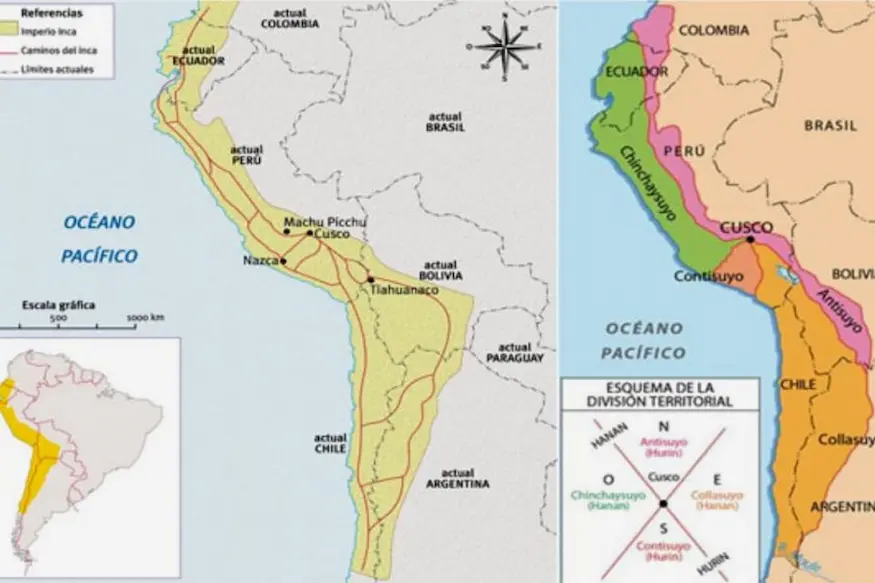
Lima should not be confused with Cusco. Cusco was the historic capital of the Inca Empire and remains one of Peru’s most important cultural destinations, while Lima is the present-day national capital.
Where Is Lima Located?
Lima lies on Peru’s central Pacific coast in valleys formed by the Rimac, Chillon and Lurin rivers. The city sits between the ocean and the Andean foothills. Its coastal desert setting helps produce a mild climate with very little annual rainfall.
The metropolitan area includes many districts with distinct characters. The airport is in Callao, immediately west of the main city, while popular visitor areas such as Miraflores and Barranco lie farther south along the coast.
A Short History of Lima
The Lima region was inhabited for thousands of years before the Spanish foundation of the city. Archaeological sites within the modern metropolitan area show that complex societies flourished here long before the Inca period.
Francisco Pizarro founded the Spanish city in 1535 and named it the City of Kings. Its location near the coast made it an important center of government and trade during the colonial era. Lima later became the capital of the independent Republic of Peru.
Why Is Lima the Capital of Peru?
Lima’s coastal position supported communication with other parts of the Spanish Empire and gave it access to the port of Callao. Over time, political institutions, universities, businesses and transport networks became concentrated in the city. Those historical advantages helped Lima retain its role after independence.
Best Areas to Explore in Lima
Historic Center
The historic center is the best place to see Lima’s colonial heart. Plaza Mayor is surrounded by major civic and religious buildings, while nearby streets contain balconies, churches and museums.
Miraflores
Miraflores is known for its coastal parks, restaurants and visitor services. The cliffs above the Pacific provide walking paths and broad ocean views. The district also contains Huaca Pucllana, an archaeological complex that predates the Incas.
Barranco
Barranco has a creative atmosphere shaped by galleries, music venues, historic houses and small restaurants. It is easy to combine with Miraflores during a short stay.
Lima and Peruvian Food
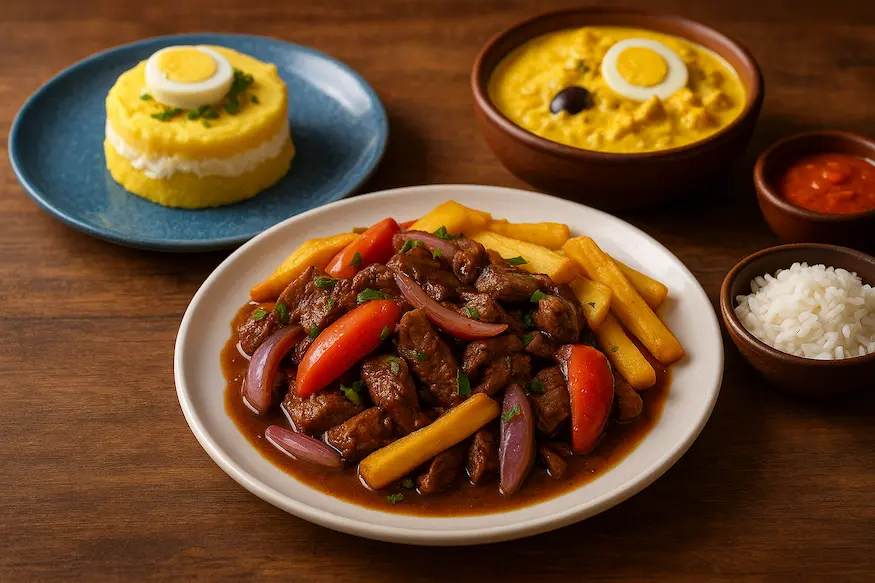
The capital brings together ingredients and cooking traditions from the coast, Andes and Amazon. Travelers can try ceviche, causa, anticuchos and many regional dishes in one city. Lima ranges from traditional markets and neighborhood restaurants to internationally recognized dining rooms.
Explore our guide to Peruvian food for an introduction to dishes you may encounter during your trip.
Weather in Lima
Lima has a mild desert climate. Summer generally brings warmer temperatures and clearer skies, while winter is cooler, cloudier and more humid. Light mist is common in the cooler months, but heavy rain is unusual in the central city.
How Long Should You Stay in Lima?
One full day can cover a focused introduction to the historic center and the coastal districts. Two or three days allow more time for museums, archaeology, food experiences and nearby attractions. The right length depends on your arrival time and the rest of your Peru itinerary.
Traveling from Lima to Cusco and Machu Picchu
Most visitors fly from Lima to Cusco, then continue toward the Sacred Valley and Machu Picchu. Long-distance buses also connect the cities but require considerably more time. Because Cusco sits at a much higher elevation, build a sensible acclimatization period into your route.
See our guide on how to get to Machu Picchu from Lima or Cusco for the main travel options.
Frequently Asked Questions
Is Cusco the capital of Peru?
No. Lima is the modern capital. Cusco was the capital of the Inca Empire and is the main gateway to many Inca sites.
Does Lima have beaches?
Lima faces the Pacific Ocean and has beaches along its coastline. Conditions vary by district and season.
Is Lima worth visiting?
Yes. Its historic center, archaeological sites, coastal districts and food culture make it more than a simple transit stop.
Are you ready to live one of the most incredible experiences on the planet?
Machu Picchu is not only a wonder of the world, it is a journey that transforms your soul.
Machu Picchu Tickets, makes your dream of seeing the sacred city of the Incas come true with tours carefully designed for all styles of travelers. Whether you’re looking for an epic hike along the Inca Trail, a scenic train tour or a private getaway, we have the perfect trip for you.
Don’t miss Machu Picchu
Normally booked 60 days in advance.