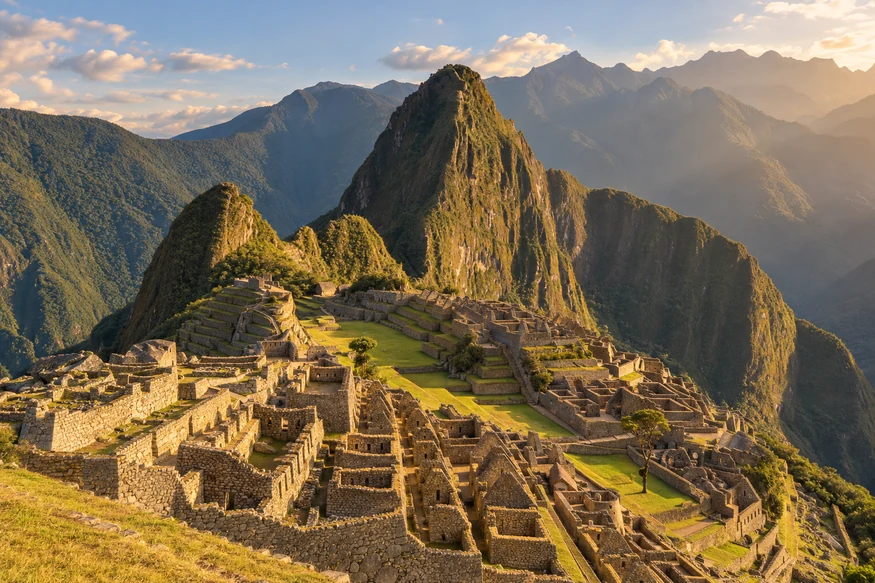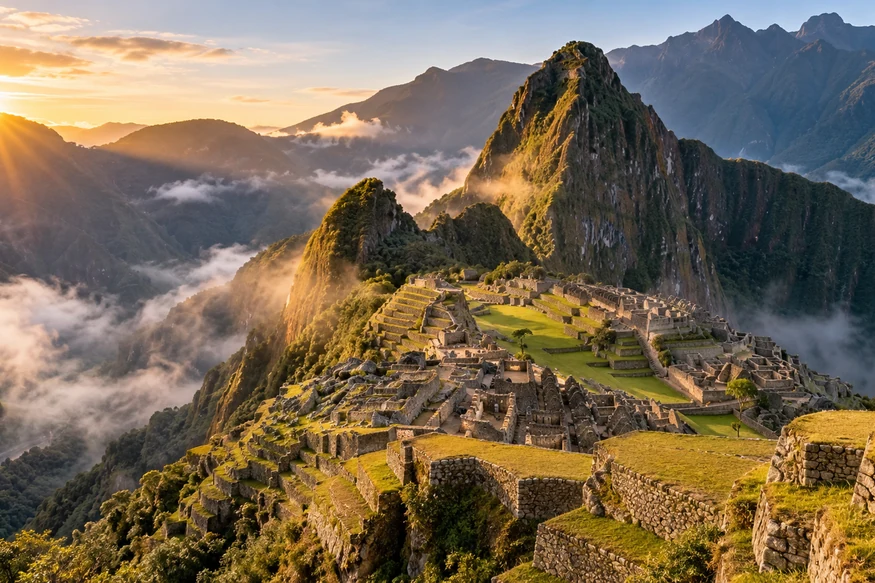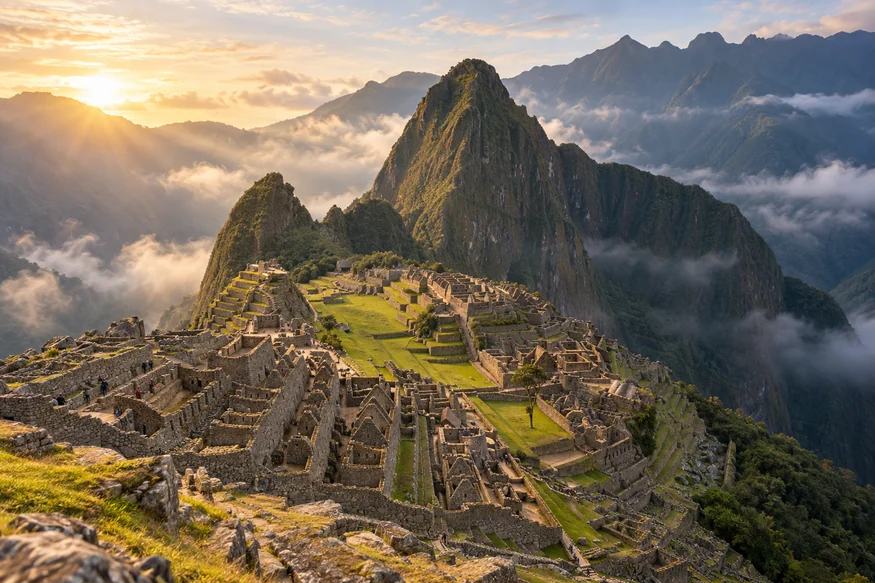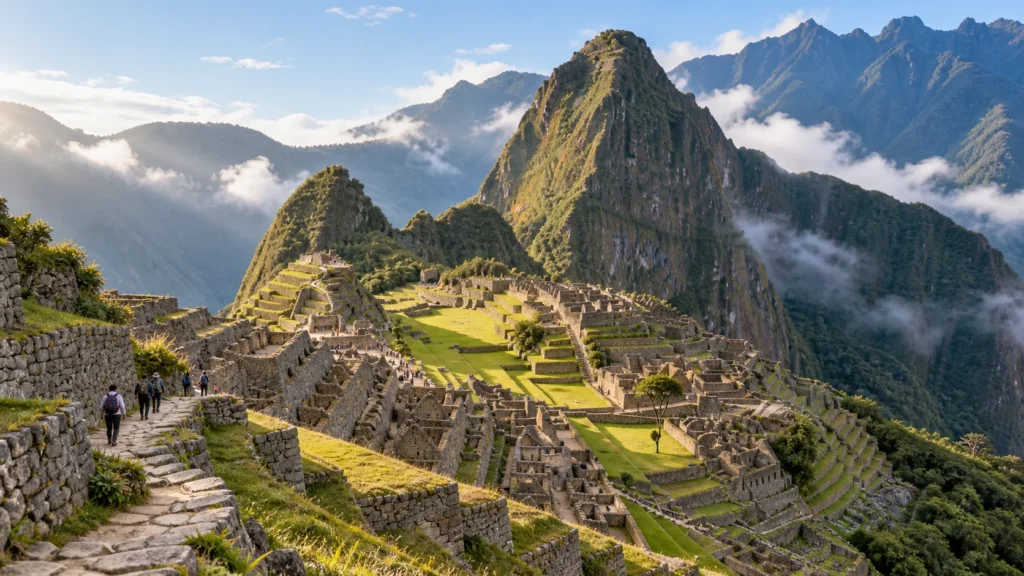
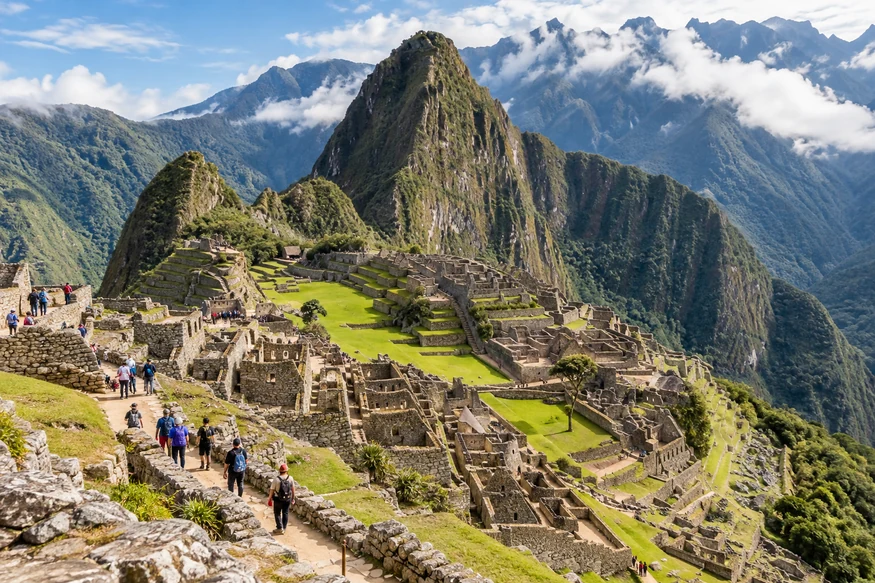

How crowded is Machu Picchu? Crowd levels change by hour, season, route, and the number of visitors already moving through the one-way circuits. The busiest-feeling period is often mid-morning, when new arrivals overlap with travelers who entered earlier. However, the first entry is not empty, and a late ticket does not guarantee a private citadel.
The most useful way to plan is to look beyond general advice. Peru’s Ministry of Culture distributes admission capacity by entry hour and route, while visitors from earlier periods may still be completing their circuits when new groups arrive. This guide explains how those overlapping flows affect the experience and how to choose a visit that feels organized rather than rushed.
Quick answer: Machu Picchu usually feels busiest from mid-morning into the early afternoon because several entry groups can be inside at the same time. For a calmer experience, consider 6:00 a.m. for the earliest start or a later afternoon admission for fewer new arrivals. Choose your circuit before choosing the hour, book in advance, and remember that weather and route bottlenecks can change how crowded the site feels.
Machu Picchu Crowd Levels at a Glance
| Entry period | Typical crowd pattern | Best for | Main tradeoff |
|---|---|---|---|
| 6:00 a.m. | Earliest flow; popular but fewer earlier groups inside | Cool air, changing mist, early start | Requires an overnight stay in Aguas Calientes |
| 7:00 a.m. | A major early entry wave | Travelers who want an early visit without the first bus | Large entry wave can create queues and busy viewpoints |
| 8:00 a.m. | Lower new allocation, but overlaps with 6:00 and 7:00 visitors | Balanced early-morning logistics | The citadel may already feel busy |
| 9:00–10:00 a.m. | High new admissions plus earlier groups still on their routes | Comfortable daylight and convenient tour timing | Often the busiest-feeling part of the day |
| 11:00 a.m.–1:00 p.m. | Steady flow as morning visitors gradually exit | Same-day train connections and warmer conditions | Overlap, heat, and strong sun can continue |
| 2:00–3:00 p.m. | Lower new admissions and fewer early groups remaining | Softer light and a potentially calmer route | Less margin for delays and a shorter operating window |
These are planning patterns, not promises. A route with narrow stairs can feel crowded even when the total number of visitors is moderate, while a broad panoramic sector may feel comfortable with more people spread across it.
How Official Capacity Affects Crowd Levels
The Ministry of Culture controls admissions through timed tickets, circuits, routes, and seasonal capacity. A ticket allocation for one hour is not a live count of everyone physically inside Machu Picchu at that moment. Visitors remain on their routes for different lengths of time, so several admission periods can overlap.
| Factor | How it changes the crowd experience |
|---|---|
| Hourly ticket allocation | Larger entry waves can create short queues at the gate and first viewpoints. |
| Route duration | Visitors from earlier periods may still be inside when later groups enter. |
| Circuit design | Narrow stairs and fixed one-way passages feel busier than open terraces. |
| Train and bus arrivals | Several groups can reach the entrance within a short period. |
| Weather | Rain or mist may concentrate visitors at sheltered or clearer viewpoints. |
| Seasonal capacity | More tickets may be released for officially designated high-demand periods. |
The daily limit and its distribution can change as conservation and visitor-management rules are updated. These admissions are spread across three circuits, multiple routes, entry hours, and sales channels. Check the official Machu Picchu visitor schedule and the Ministry of Culture’s ticket platform shortly before travel.
Why 7:00 a.m. Can Be Busier Than 6:00 a.m.
Many travelers assume that every early slot is equally quiet. In practice, the 7:00 a.m. period can create a noticeable wave at the main gate, shuttle-bus arrival area, and first popular viewpoints. It attracts visitors who want an early experience without committing to the first admission of the day.
The 6:00 a.m. period has fewer allocated admissions and no standard visitor group already inside from an earlier hour. That makes it the most logical choice for travelers who prioritize the earliest possible experience. It is still popular, however, and everyone with that slot has a similar objective. Do not expect an empty postcard scene.
If the first entry appeals to you, read our practical guide to Machu Picchu at sunrise. Staying in Aguas Calientes the night before is the safest way to reach the gate without relying on a long same-day connection.
When Does Machu Picchu Feel Busiest?
Mid-morning often feels busiest because admissions accumulate. Some travelers entering at 6:00, 7:00, or 8:00 a.m. may still be completing their circuits when the larger 9:00 and 10:00 a.m. waves arrive. The result is not one uniform crowd across the entire sanctuary. Instead, congestion develops at specific points:
- The entrance and ticket-control area after several buses arrive close together.
- Classic panoramic viewpoints where multiple groups pause for photographs.
- Narrow stairways and one-way passages where overtaking is limited.
- Interpretive stops where guides naturally gather their groups.
- The exit and downhill bus queue when several routes finish at similar times.
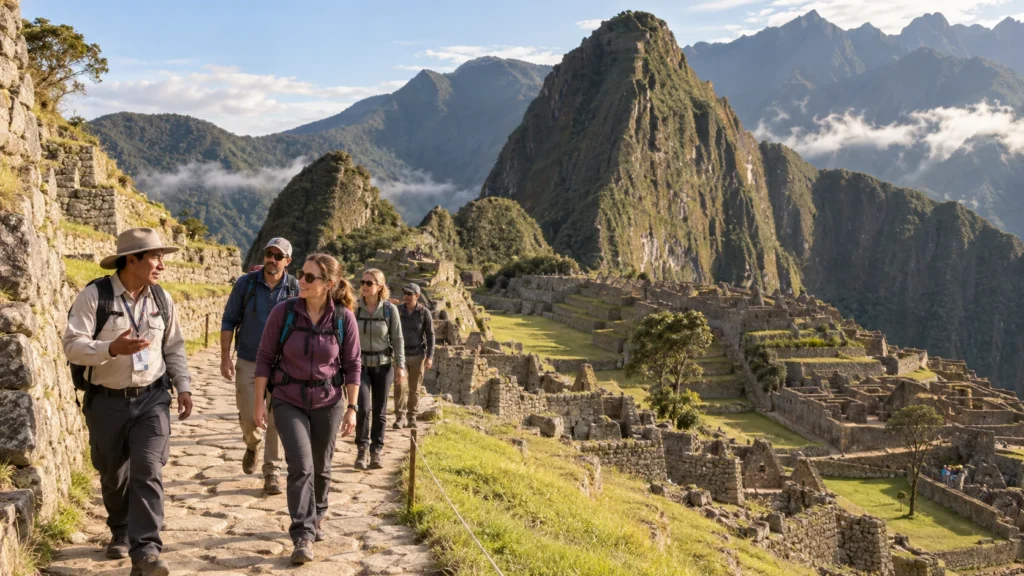
One-way circulation helps manage movement, but it also means you cannot step backward to revisit a quieter viewpoint. A knowledgeable guide can pace the visit, explain important sectors without blocking traffic, and help your group use the permitted route efficiently.
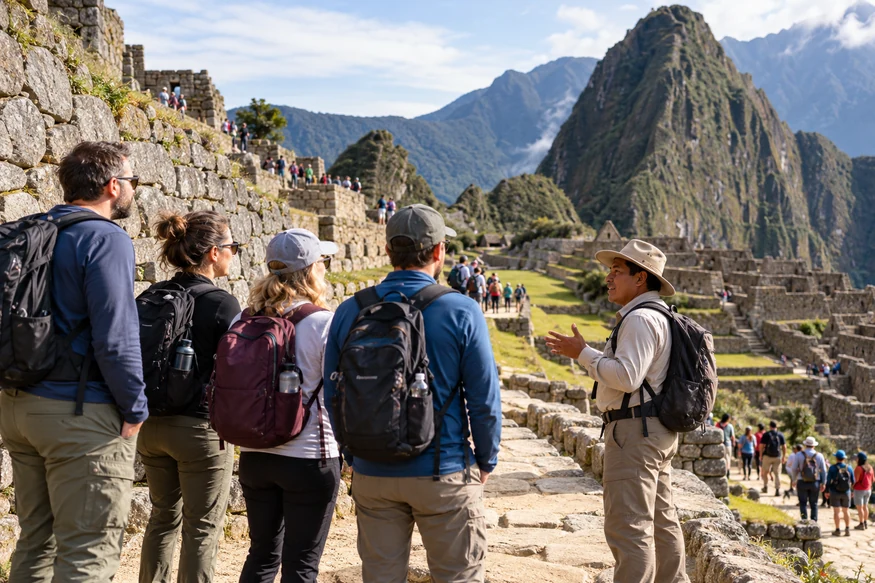
Prefer us to coordinate the timing? Our Machu Picchu day trip from Cusco combines transportation, train logistics, entrance planning, and a guided visit. Instead of building every connection around crowd estimates yourself, you travel with an itinerary designed around the ticket and route confirmed for your departure.
Is the Afternoon Less Crowded?
Afternoon entry periods often bring fewer new arrivals than the main morning waves. By 2:00 or 3:00 p.m., many early visitors have also left. This can create a calmer experience on certain routes, particularly after large morning groups have moved through.
“Less crowded” does not mean empty. Same-day travelers, later train arrivals, and afternoon tour groups still enter. You also have less flexibility if a train or bus is delayed. The final admission periods operate closer to the site’s closing time, so arriving late can place the entire visit at risk.
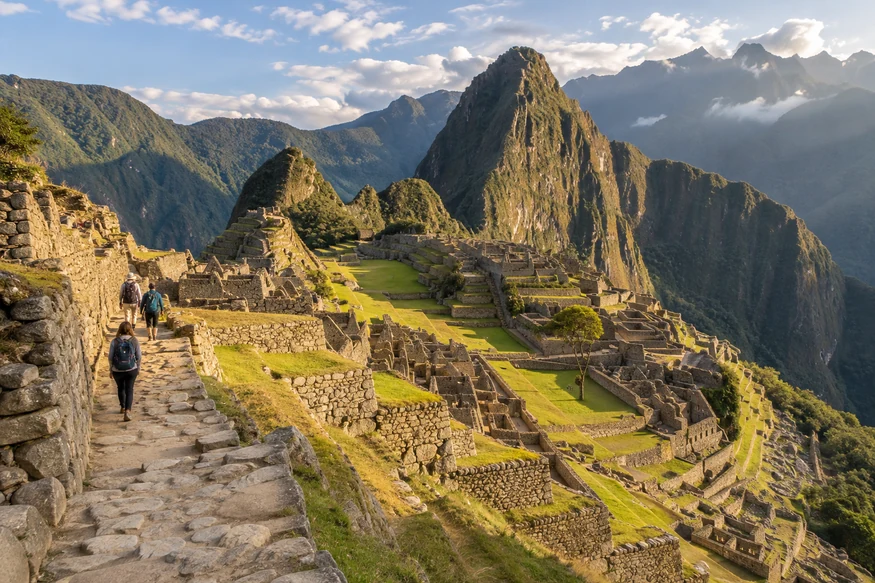
Compare the full tradeoffs in our morning vs afternoon Machu Picchu guide. If warm light is part of your plan, our Machu Picchu at sunset article explains why late light is realistic but a full sunset inside the citadel is not guaranteed.
High Season vs Regular Season
Crowd levels depend on both ticket capacity and demand. The Ministry of Culture may authorize a higher daily limit for designated high-demand periods, while regular-season capacity remains lower. The applicable dates are announced officially and can change from year to year. Popular routes and desirable entry hours can sell out even when the wider sanctuary remains operational.
The busiest travel periods commonly overlap with the drier months, school vacations, national holidays, and year-end travel dates. Clearer weather attracts more visitors, while special holidays can intensify demand. Book early if a specific route and hour matter to you, and confirm the current high-capacity calendar on the official website.
The rainy season may have lower demand on some dates, but reduced crowds do not automatically produce an easier visit. Rain, mist, slippery steps, and temporary operational decisions can affect the experience. Use our Machu Picchu weather guide to balance visitor numbers against seasonal conditions.
Which Circuit Feels Most Crowded?
No circuit is always the most crowded. Each has a different capacity, purpose, and physical layout. How busy it feels depends on the specific route and where visitors naturally stop.
Circuit 1: Panoramic
Circuit 1 is designed around elevated scenery and broad views. Its famous photo perspectives can create short waits when multiple groups arrive together. Open terraces distribute visitors better than narrow passages, but everyone may want the same angle.
Circuit 2: Machu Picchu Classic
Circuit 2 is highly sought after because it combines classic views with a fuller passage through the urban area. Popularity and narrower archaeological sectors can make it feel busy even when visitor flow is orderly. Tickets often require advance planning.
Circuit 3: Machu Picchu Royalty
Circuit 3 explores lower sectors and includes routes associated with additional hikes. Its experience is different rather than simply “less crowded.” Mountain checkpoints use fixed schedules, and some seasonal routes are not available year-round.
Choose according to what you want to see. Our Machu Picchu circuits guide compares the official routes, viewpoints, and restrictions.
How to Avoid the Worst Crowds at Machu Picchu
- Book the route before optimizing the hour. A quiet time on the wrong circuit will not deliver the experience you wanted.
- Consider 6:00 a.m. or a late-afternoon slot. These periods receive fewer new admissions than the largest official entry waves.
- Stay overnight in Aguas Calientes. This reduces dependence on same-day train connections and gives you more control over early or late visits.
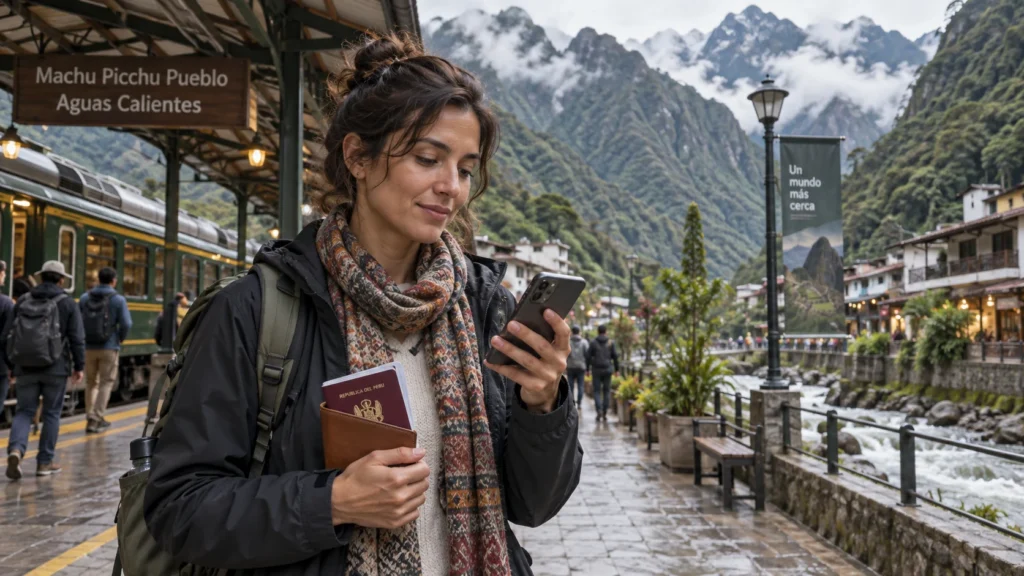
- Arrive prepared. Keep your passport, ticket, and small day bag ready so you do not lose time at the gate.
- Follow the assigned circuit. Trying to backtrack or wait indefinitely disrupts visitor flow and may not be permitted.
- Use a guide who knows the route. Good pacing matters when viewpoints and passages become busy.
- Allow margin after the visit. Exit and bus queues can be more important than the crowd inside if you have an evening train.
Before packing, review the Machu Picchu packing list. Carrying only permitted essentials makes narrow routes easier for you and everyone around you.
Should You Visit Machu Picchu in One Day or Two?
A one-day trip works well when every connection is coordinated and you accept the entry time available for your date. It is efficient, but train, bus, and admission times must align. This option suits travelers with a fixed Cusco itinerary who want a complete guided day without arranging each component separately.
A two-day itinerary creates more flexibility. Sleeping in Aguas Calientes can support the first admission of the day, reduce pressure from train delays, or make a later visit easier without rushing to return to Cusco. It also gives the journey more breathing room.
Choose the pace that fits your trip:
- Machu Picchu Day Trip from Cusco — a coordinated classic option for travelers with limited time.
- Machu Picchu Tour 2 Days 1 Night — additional flexibility and an overnight stay closer to the entrance.
- Machu Picchu 1 Day Deluxe Tour — upgraded services for a smoother one-day experience.
- Hiram Bingham Luxury Tour — premium rail travel paired with a carefully organized Machu Picchu visit.
Ticket availability determines the final circuit and time. Contact Big Foot Machu Picchu before booking nonrefundable transportation if a particular route is essential to you.
What If Your Preferred Time Is Sold Out?
Do not assume that another time on the same date provides the same route. Search every acceptable circuit and entry period on the official platform, then compare the experience each ticket permits. A less crowded hour is not useful if it excludes the viewpoint or sector you most want to see.
If your preferred ticket is unavailable, follow the recovery steps in our guide to sold-out Machu Picchu tickets. For normal booking, use our step-by-step ticket guide and purchase through the official Tu Boleto platform.
Common Crowd-Planning Mistakes
- Assuming 7:00 a.m. must be quieter simply because it is early.
- Choosing an entry hour without checking the route attached to the ticket.
- Expecting any standard ticket to provide an empty citadel.
- Scheduling a same-day train with no margin for the bus or entrance queue.
- Ignoring how long earlier groups remain inside when later visitors enter.
- Stopping in narrow passages for extended photo sessions.
- Using outdated capacity information instead of current official sources.
Frequently Asked Questions
What is the least crowded time to visit Machu Picchu?
The 6:00 a.m. entry starts before earlier visitor groups can accumulate, while the latest afternoon periods receive fewer new admissions and may feel calmer after morning groups leave. Neither option guarantees an empty route.
What time is Machu Picchu most crowded?
Mid-morning often feels busiest because the 9:00 and 10:00 a.m. arrivals overlap with visitors who entered earlier. The 7:00 a.m. period can also produce a substantial early wave at the entrance and first viewpoints.
How many people can visit Machu Picchu per day?
The official daily limit changes according to current visitor-management rules and may increase during designated high-demand periods. Check the latest Ministry of Culture capacity announcement for your travel date.
Is Machu Picchu crowded every day?
Visitor demand varies, but popular routes and viewpoints can feel busy even when the daily capacity is not sold out. Weather, train schedules, holidays, route availability, and group timing all affect the experience.
Are weekdays quieter than weekends?
Weekdays may avoid some domestic weekend demand, but ticket capacity and international travel patterns matter more than the day name alone. Check availability for your exact route and date.
Is Circuit 2 always the busiest?
Circuit 2 is popular, but crowd perception depends on route capacity, entry time, narrow passages, and how groups move. Choose it because it matches your sightseeing priorities, not solely because of expected crowd levels.
Can a guided tour help with crowds?
A guide cannot remove other visitors, but good timing, route knowledge, and efficient pacing can make the visit more understandable and less stressful. An organized tour also coordinates transport and admission around your confirmed ticket.
Final Advice
The best Machu Picchu visit is not necessarily the one with the fewest people. It is the one with the right circuit, realistic timing, reliable connections, and enough guidance to understand what you are seeing. Use the official hourly allocation to avoid the largest entry waves, but keep your expectations flexible.
If you want Big Foot Machu Picchu to coordinate your tickets, transport, train, and guided visit, compare our Machu Picchu tours above and choose the pace that fits your itinerary. Booking early gives you the best chance of securing the route and entry time you actually want.
Visitor capacities, routes, schedules, and operating rules can change. Always verify the details printed on your ticket and check current Ministry of Culture information before traveling.