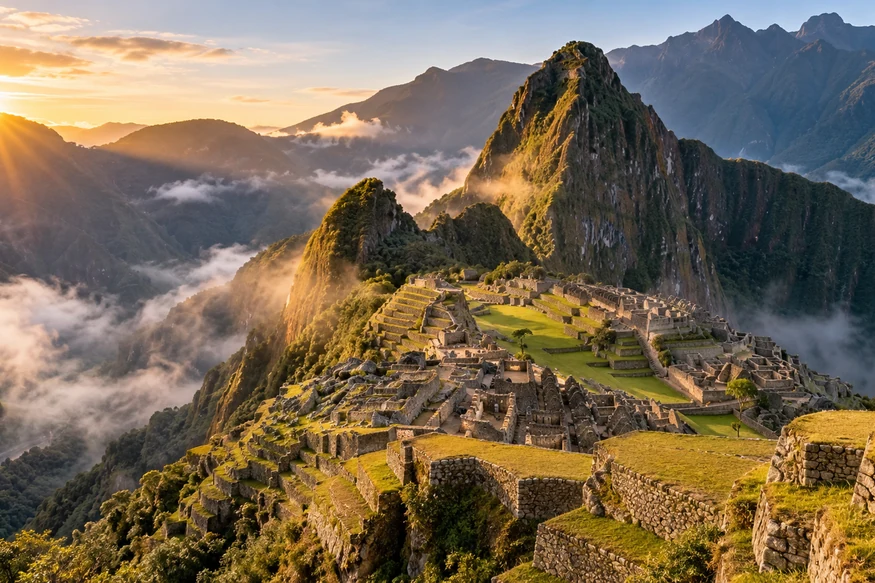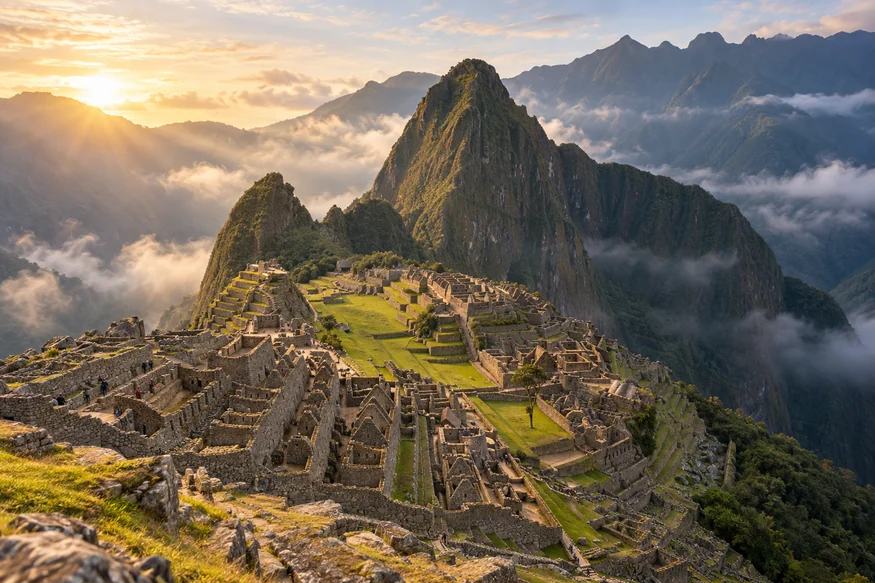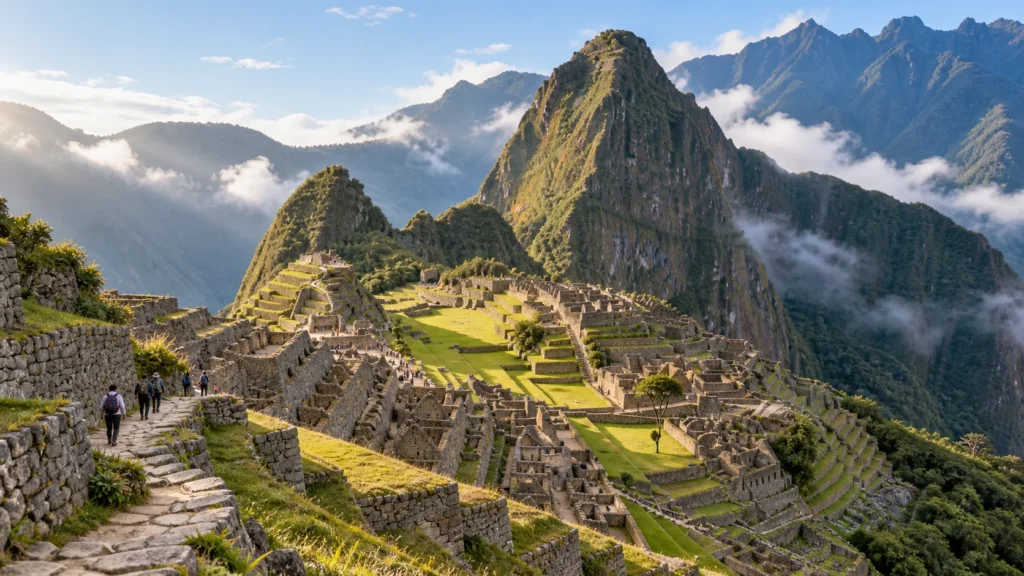
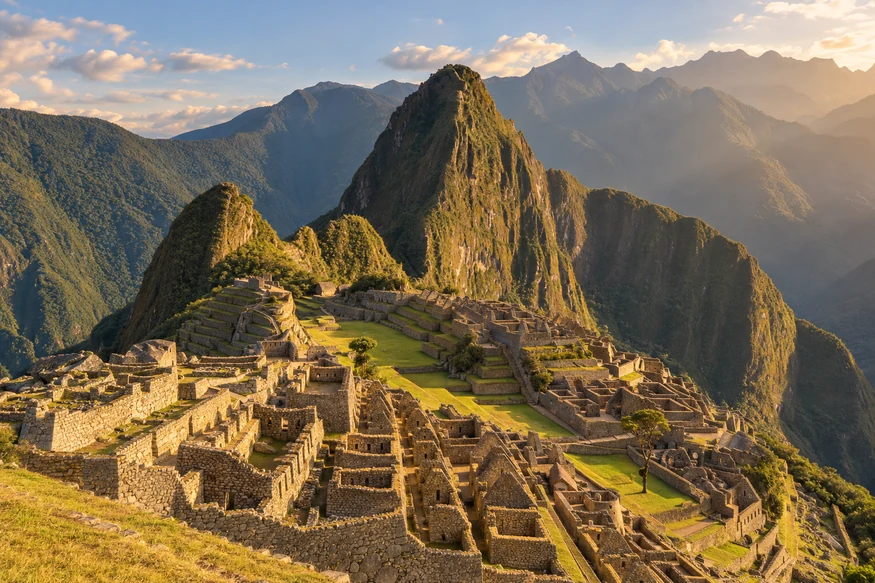

Can you watch the sunset at Machu Picchu? You can enjoy warm late-afternoon light inside the Inca citadel, but a full sunset is not guaranteed—and on many dates, the sun sets after visitors must leave. Machu Picchu’s official schedule, your assigned entry time, the duration of your route, mountain shadows, and the season all affect what you actually see.
A late visit can still be beautiful. The stonework gains texture, the valley often feels calmer than it does around midday, and low-angle light can create memorable photographs. This guide explains what “Machu Picchu at sunset” realistically means, how to select a late entry, which route makes sense, and where to continue your evening after leaving the archaeological site.
Quick answer: Plan for golden-hour or late-afternoon light—not a guaranteed view of the sun dropping below the horizon from inside Machu Picchu. The last standard admission period begins in the afternoon, and all visitors must follow the time and route on their ticket. Check the official schedule shortly before traveling and leave enough time for the bus back to Aguas Calientes.
Can You Actually See the Sunset at Machu Picchu?
Sometimes you may see the sun very low over the surrounding ridges, especially when the sky is clear and sunset occurs earlier in the year. However, the classic idea of staying among the ruins until the sky turns dark is not part of a normal daytime ticket.
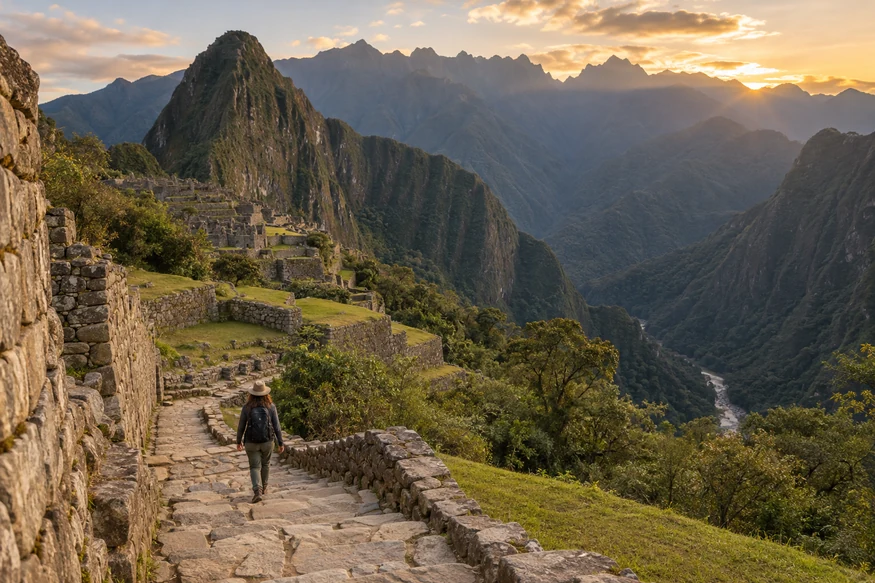
Machu Picchu lies between steep mountains. These ridges can block direct sunlight before the astronomical sunset time, so the citadel may enter shade while the sky remains bright. On other days, cloud and mist soften the light or hide the sun completely. The visual experience is therefore better described as late-afternoon light at Machu Picchu rather than a guaranteed sunset.
The archaeological site’s published visitor schedule takes priority over any sunset forecast. Review our Machu Picchu opening hours and entrance times guide, then confirm your ticket and the official Machu Picchu visitor schedule before your trip.
What Time Is the Last Entry to Machu Picchu?
The official schedule currently shows hourly admission periods at the main gate through the afternoon, with the latest standard entry beginning at 3:00 p.m. Tolerance rules vary between regular and high-demand periods, while mountain checkpoints may not allow any tolerance. The time printed on your ticket is your actual appointment—not a suggestion to arrive whenever you like later in the day.
A late ticket also does not let you remain indefinitely. You must follow the route assigned to your ticket and leave within the permitted visit conditions. Staff may direct the flow as closing approaches, and you cannot stop on a path simply to wait for a darker sky.
Schedules and operational instructions can change. Use the Ministry of Culture’s official platform and current notices as the final authority rather than planning around an old screenshot or social-media post.
What a Late-Afternoon Visit Feels Like
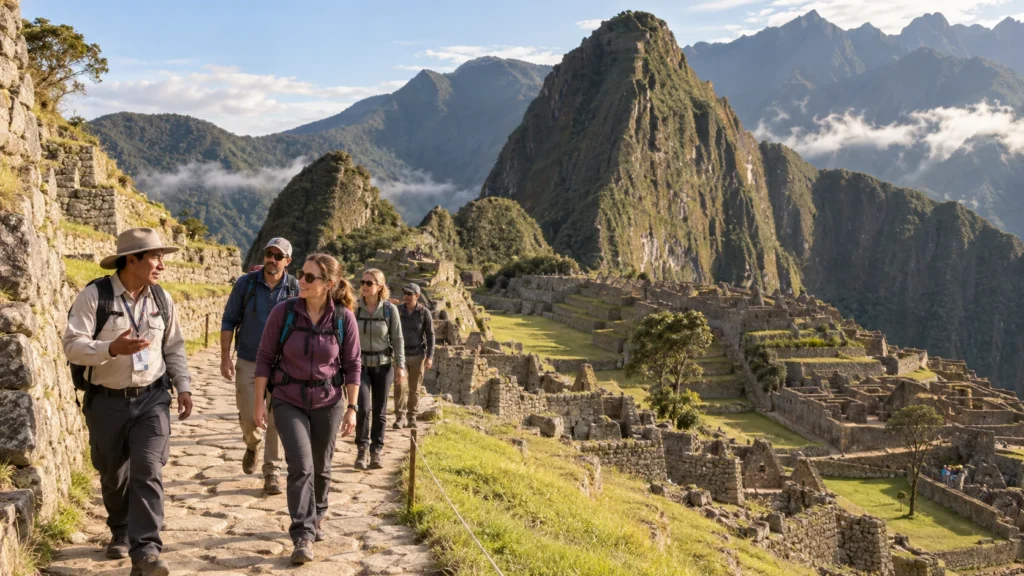
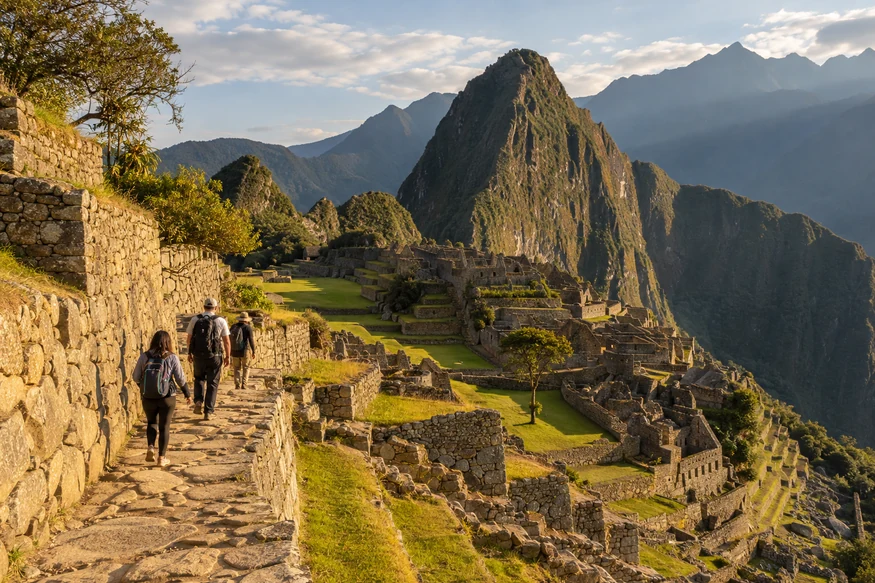
Late afternoon often feels warmer at the beginning and cooler as shade spreads across the mountains. The light can become softer, long shadows reveal the shape of terraces and walls, and groups from earlier entry periods may be moving toward the exit. That does not mean the site will be empty: visitor numbers depend on the season, available routes, and the travel schedules of other guests.
Weather remains unpredictable. A bright afternoon can turn cloudy within minutes, and rain can arrive even during the drier months. Take a light waterproof layer and wear shoes with good grip. Avoid packing bulky photography equipment that may be restricted or awkward on narrow stone paths.
Is Afternoon Better Than Morning for Machu Picchu?
Neither period is universally better. Afternoon suits travelers who prefer a later start, warmer conditions, and the possibility of softer light near the end of the visit. Morning suits travelers who enjoy cooler air, changing mist, and earlier connections. Clouds, rain, and crowds can appear at either time.
Choose based on your complete itinerary—not only the light. If you are arriving by train the same day, allow generous time between the train, the bus queue in Aguas Calientes, and the admission printed on your ticket. If a delay would place the visit at risk, sleep in Aguas Calientes and enter the next day.
For a direct comparison of weather, transport, photography, and visitor flow, read our guide to morning vs afternoon at Machu Picchu.
Which Circuit Is Best for Late-Afternoon Views?
Your circuit matters as much as your entry time. Machu Picchu uses fixed, one-way routes, so a late ticket does not provide access to every viewpoint.
Circuit 1: elevated panoramic views
Circuit 1 focuses on the upper panoramic sector. It is usually the most relevant family of routes when your priority is a broad landscape photograph of the citadel and surrounding mountains. Availability varies by route and season, so confirm exactly which option is sold for your date.
Circuit 2: classic perspectives and the urban area
Circuit 2 combines recognizable viewpoints with a fuller passage through important areas of the Inca city. It is a strong first-visit choice, although its late time slots may sell out. Select it for the route itself, not because you assume it will keep you inside after closing.
Circuit 3: lower royal sector
Circuit 3 explores lower sectors and includes selected routes associated with additional hikes. Some mountain options operate at specific earlier checkpoints and are not designed as sunset experiences. Check the exact route schedule before buying.
Compare the options in our Machu Picchu circuits guide and verify the current official route maps before payment.
Best Months for Late Light
Machu Picchu’s sunset time and weather change through the year. The drier months generally improve the odds of clear late-afternoon light, but they also bring strong demand and no guarantee of an unobstructed sky. During the wetter months, clouds may hide the sun, yet breaks in the weather can produce dramatic light over intensely green scenery.
The mountains complicate the simple clock time shown by a weather app. Direct light may disappear behind a ridge well before the sun reaches the distant horizon. Use a date-specific forecast for orientation, but never treat it as a promise of what will be visible from your assigned route.
Our Machu Picchu weather guide explains seasonal rainfall and temperature patterns in more detail.
How to Plan a Late Entry
- Choose the route first. Decide whether a panoramic viewpoint or a fuller citadel visit matters more than simply entering late.
- Buy through the official system. Use the Ministry of Culture’s Tu Boleto platform and verify your personal details before payment.
- Arrive in Aguas Calientes with a buffer. Train delays, bus lines, and weather can make a tight same-day connection risky.
- Follow the ticket time. Do not confuse an applicable tolerance period with permission to arrive whenever you want.
- Plan the return. Know where the exit and downhill bus line are, and confirm your evening train or hotel arrangements.
- Keep expectations flexible. Treat good light as a bonus rather than the only reason for the visit.
If you want transportation, tickets, and guiding coordinated together, see our Machu Picchu day trip from Cusco. Travelers who prefer more margin can consider the two-day Machu Picchu tour.
Photography Tips for Late Afternoon
Late light can be rewarding, but the visitor route must continue moving. Prepare your camera before reaching a viewpoint so you do not block narrow paths or hold up other groups.
- Expose for the bright sky to preserve cloud detail.
- Photograph the side light on terraces and walls instead of waiting only for the solar disk.
- Use people at a distance to show scale without interrupting their visit.
- Keep a microfiber cloth ready for mist or light rain.
- Respect every barrier and remain on the authorized route.
- Do not rely on tripods, drones, large lighting equipment, or commercial gear without proper authorization.
Carry only what you need. Our Machu Picchu packing list covers clothing, rain protection, documents, and bag limits.
What Happens After You Leave?
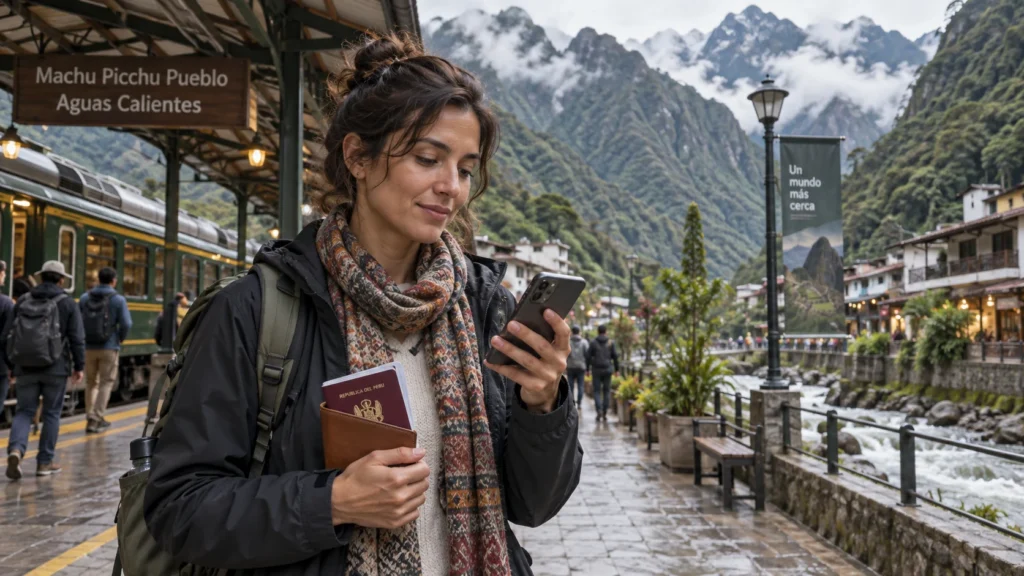
After exiting, most visitors take the shuttle bus down to Aguas Calientes. Lines can form near the end of the day, so avoid scheduling a train connection with no margin. The road descends through cloud forest and normally takes around half an hour, but queues and operating conditions can add time.
If your evening train departs soon, confirm the recommended transfer margin with the operator and keep your luggage arrangements simple. Staying one more night in Aguas Calientes removes the pressure of racing from the archaeological site to the station and gives you time for dinner after the visit.
Where Can You Watch Sunset After Machu Picchu?
If seeing the sky change color is important, plan to enjoy the evening from Machupicchu Pueblo rather than assuming you can remain inside the archaeological site. The town sits deep in the valley, so surrounding peaks still limit a wide horizon view, but the river, forested slopes, restaurants, and hotel terraces can create a peaceful end to the day.
Another option is to treat the late entry as the golden-hour experience and save a conventional open-horizon sunset for Cusco or the Sacred Valley on another day. Those landscapes offer broader western views and do not depend on an archaeological-site closing time.
Common Sunset Planning Mistakes
- Assuming “last entry” means you may remain until dark.
- Choosing a route only for the time and ignoring its permitted viewpoints.
- Expecting the visible sun to touch the horizon from inside the citadel.
- Booking a train too soon after the expected exit time.
- Arriving late because an unofficial website showed outdated hours.
- Carrying bulky equipment that slows movement or conflicts with site rules.
- Treating cloudy weather as a ruined visit instead of adapting your photography.
Is Machu Picchu at Sunset Worth It?
A late-afternoon visit is worth considering if you value warm light, a later start, and a relaxed evening in Aguas Calientes. It can be especially appealing for photographers who enjoy shadows, texture, and mountain atmosphere rather than needing one exact sunset image.
It is not the right choice if your entire trip depends on seeing the solar disk drop below the horizon from a famous viewpoint. The site schedule, assigned route, mountains, and weather make that promise unrealistic. Plan for a beautiful afternoon visit and let the light be the bonus.
Frequently Asked Questions
Does Machu Picchu stay open for sunset?
No special standard ticket keeps visitors inside simply to wait for sunset. You must follow the official schedule, assigned route, and staff instructions for leaving the site.
What is the latest Machu Picchu entry time?
The current official schedule includes a final standard admission period beginning at 3:00 p.m. Always verify the time printed on your ticket and current Ministry of Culture notices before traveling.
Can I take sunset photos inside Machu Picchu?
You may photograph the late-afternoon light from authorized areas while following your route. A full horizon sunset is not guaranteed, and restricted professional equipment may require special permission.
Is Machu Picchu less crowded late in the day?
It can feel calmer than peak periods, but it is not guaranteed to be empty. Visitor flow changes with season, ticket capacity, available routes, and group schedules.
Should I stay overnight in Aguas Calientes?
Yes, if you want a relaxed late visit without rushing to an evening train. An overnight stay gives you more flexibility for the bus down, dinner, and onward travel the following day.
Is sunrise or sunset better at Machu Picchu?
Sunrise offers cool air and changing morning mist, while late afternoon can bring warmer conditions and softer shadows. Neither guarantees clear skies or a visible solar disk. Read our Machu Picchu at sunrise guide before deciding.
Official schedules, routes, capacities, and operating rules can change. Verify the details printed on your ticket and check the Ministry of Culture website shortly before traveling.