
What Does Machu Picchu Mean? The Meaning Behind the Name
You have probably heard the name Machu Picchu hundreds of times. It appears on maps, travel guides, documentaries, and almost every list of places to visit in Peru.
But what does Machu Picchu actually mean?
The name comes from Quechua, the Indigenous language spoken across much of the Andes. It is commonly translated as “Old Mountain” or “Old Peak.”
That simple translation, however, does not tell the whole story.
Machu Picchu is the name we use for the archaeological site today, but it is closely connected to the geography surrounding the ruins. There is also an interesting question historians continue to explore: Was Machu Picchu actually the name the Incas used for the settlement?
What Does Machu Picchu Mean in Quechua?
The name Machu Picchu comes from two Quechua words:
| Quechua word | Meaning |
|---|---|
| Machu | Old, elderly, or ancient |
| Picchu / Pikchu | Peak, mountain, or prominent mountainous feature |
Put together, Machu Picchu is generally understood as “Old Mountain” or “Old Peak.”
The name makes more sense when you look at the landscape.
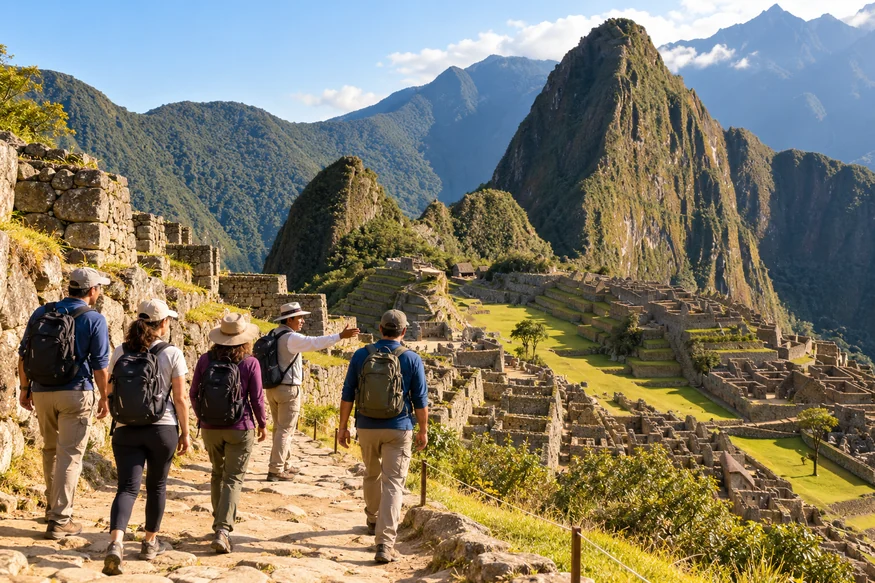
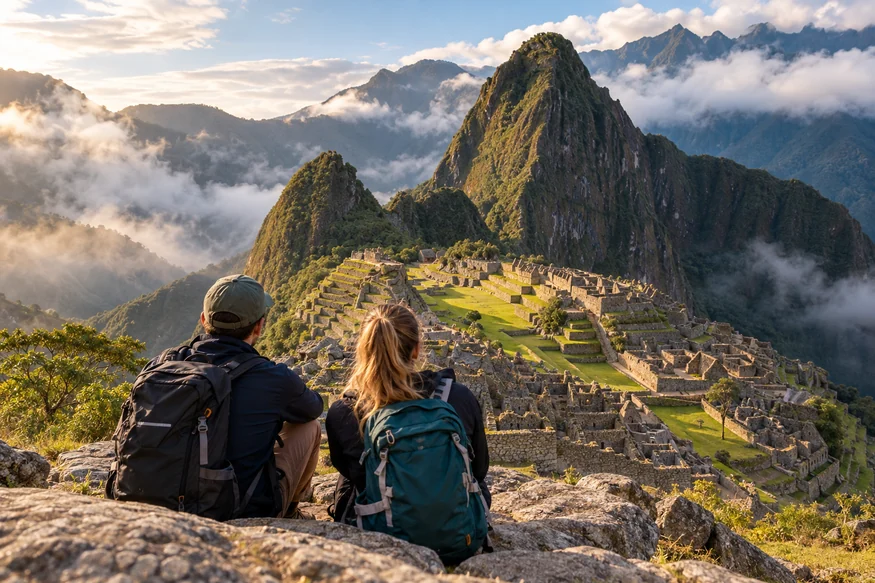
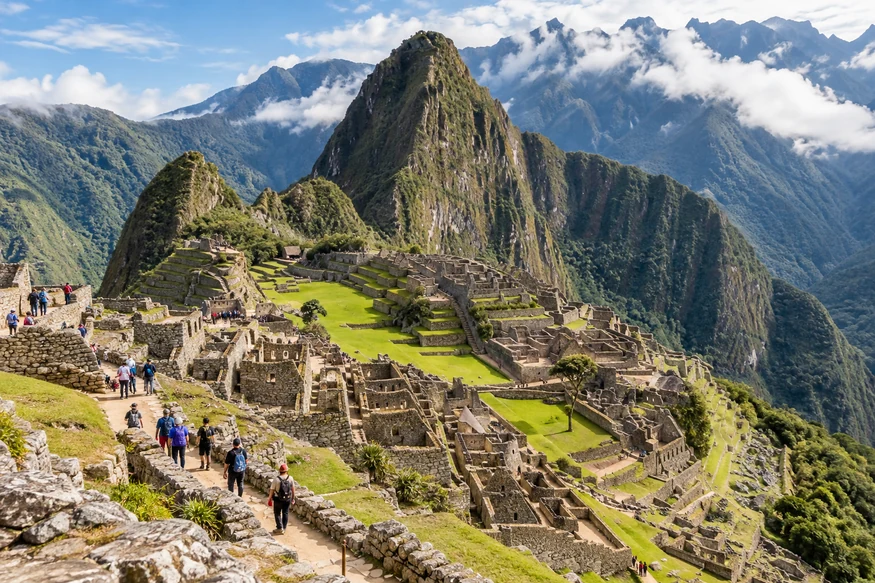
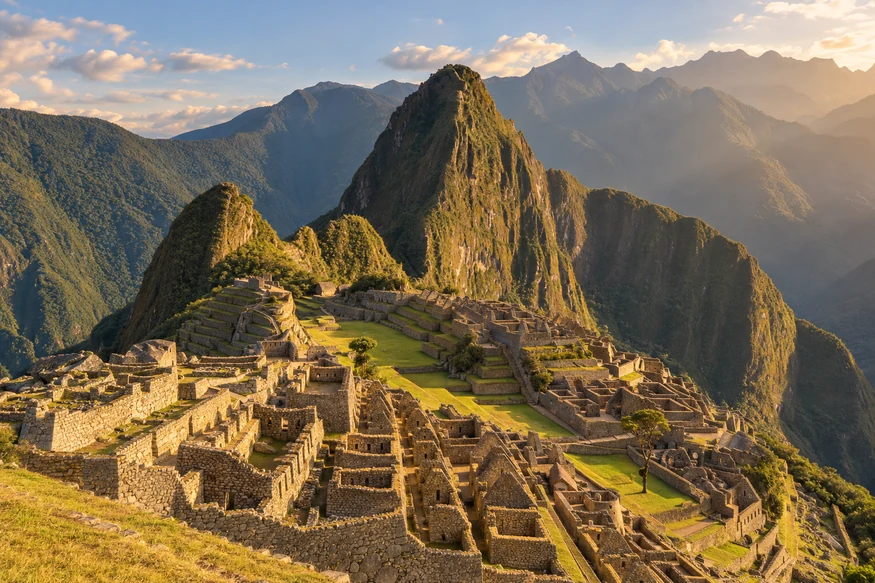
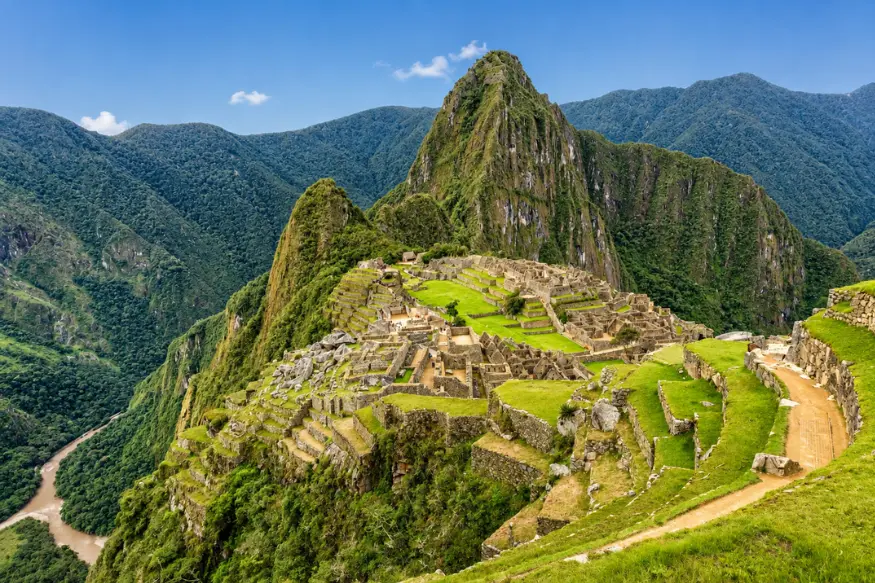
The archaeological site sits on a ridge surrounded by steep mountains above the Urubamba River. Machu Picchu Mountain rises beside the ruins and forms part of this landscape.
The name therefore has a geographical meaning rather than describing the ruins themselves.
Is Machu Picchu the name of the ruins or the mountain?
Today, when someone says Machu Picchu, they almost always mean the famous Inca archaeological site.
Originally, however, the name was associated with the mountain and surrounding area.
This is not unusual in the Andes. Many places take their names from nearby mountains, rivers, valleys, or other natural features.
Over time, the archaeological complex became internationally known by the same name.
So when you say you are visiting Machu Picchu today, you are using a geographical name that eventually became associated with one of the most famous Inca sites in the world.
How Do You Pronounce Machu Picchu?
The pronunciation is simpler than it may look.
Machu sounds roughly like
MAH-choo
And Picchu is approximately like:
PEEK-choo
Quechua pronunciation does not always match what an English speaker might expect from the spelling.
You may also see the name written as Machupicchu or Machu Pikchu, particularly when standardized Quechua spelling is used.
These different spellings refer to the same place.
Why Is It Called Machu Picchu?
This is where the name becomes more interesting.
Machu Picchu was not necessarily named after the archaeological buildings themselves.
The name is associated with Machu Picchu Mountain, which rises beside the Inca site.
When the archaeological complex became better known internationally during the early 20th century, Machu Picchu became the name commonly used for the ruins as well.
It eventually appeared in archaeological studies, maps, books, travel guides, and tourism material around the world.
Today, the name is almost inseparable from the archaeological site.
But the geographical name existed independently of the ruins.
Was Machu Picchu the Original Inca Name?
We cannot say with certainty that the Incas called the settlement Machu Picchu.
This is one of the most interesting questions surrounding the name.
The Incas did not leave behind written records that clearly identify the settlement by the name we use today. Researchers have therefore studied colonial documents, maps, land records, and historical place names from the surrounding area.
Some research suggests that the settlement may have been known by another name during the Inca period.
One possibility that has received attention is Huayna Picchu.
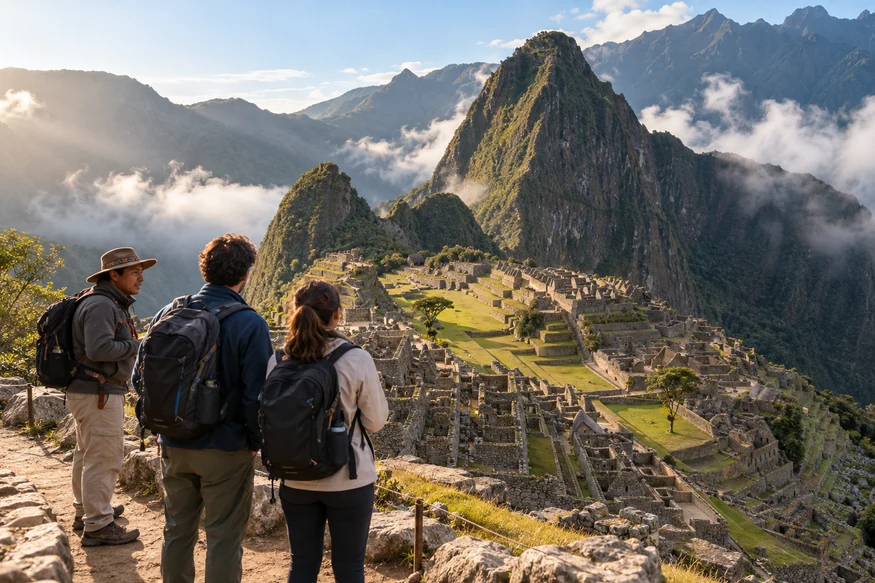
That name is familiar today because Huayna Picchu is the steep mountain that rises behind the ruins in the classic photograph of Machu Picchu.
This does not mean the archaeological site should suddenly be renamed.
It simply means that the people who lived there more than 500 years ago may have used a different name from the one used around the world today.
What Does Huayna Picchu Mean?
Understanding Huayna Picchu makes the meaning of Machu Picchu easier to understand.
In Quechua, huayna, also written wayna, means young.
Huayna Picchu can therefore be translated approximately as “Young Mountain” or “Young Peak.”
That creates an interesting contrast:
| Name | Common meaning |
| Machu Picchu | Old Mountain / Old Peak |
| Huayna Picchu | Young Mountain / Young Peak |
The two mountains are close to the archaeological site and form part of the landscape visitors see today.
Huayna Picchu is particularly recognizable because it rises directly behind the ruins in the classic panoramic view.
Machu Picchu, Huayna Picchu, and the Landscape
Machu Picchu, Huayna Picchu, and the Landscape
Knowing what these names mean can also help you understand the geography when you visit.
The archaeological site itself is not located on the summit of Huayna Picchu. It sits on a ridge between the surrounding mountains.
Machu Picchu Mountain rises on one side, while Huayna Picchu rises on the other.
This can be confusing because most classic photographs of Machu Picchu are taken looking toward Huayna Picchu. As a result, many travelers see the famous mountain behind the ruins and assume they are looking at Machu Picchu Mountain.
They are usually looking at Huayna Picchu.
Machu Picchu Mountain is behind the photographer in many of those familiar views.
The difference becomes especially important if you plan to hike one of them. Both mountains can be visited, but they offer different trails, views, and hiking experiences. Our Huayna Picchu vs Machu Picchu Mountain comparison explains these differences and can help you understand which option may be better for your visit.
What Language Does the Name Machu Picchu Come From?
The name Machu Picchu comes from Quechua, one of the most important Indigenous languages of the Andes.
Quechua was widely used throughout the Inca Empire and is still spoken today in Peru and other parts of South America.
This is important because Machu Picchu is far from the only Quechua place name in the region.
Travel around Cusco and you will find Quechua names attached to mountains, rivers, archaeological sites, communities, plants, and geographical features.
Many of these names survived major political and cultural changes over the centuries.
Machu Picchu happens to be one of the most internationally recognized examples.
Does Machu Picchu mean “Lost City”?
No.
Machu Picchu does not mean “Lost City.”
The confusion comes from the famous description “Lost City of the Incas.”
That phrase became strongly associated with Machu Picchu during the 20th century, particularly through the story of Hiram Bingham and his expeditions.
But it is a nickname, not a translation.
The actual meaning of Machu Picchu is connected with the mountain: Old Mountain or Old Peak.
There is another problem with calling it a lost city.
Local people knew about the ruins before Bingham reached the site in 1911. Machu Picchu was largely unknown to the international academic world, but it had not disappeared completely from local knowledge.
If you want to understand what happened before and after Bingham arrived, the history of Machu Picchu explains how the Inca site went from an active settlement to one of the most famous archaeological places in the world.
Does Machu Picchu Have a Spiritual Meaning?
You may come across websites or social media posts that give Machu Picchu a much more elaborate spiritual translation.
That is not what the words literally mean.
The name itself has a fairly straightforward geographical meaning.
However, that does not mean the mountains surrounding Machu Picchu had no cultural or religious importance.
Mountains played an important role in Andean beliefs. Water, the sun, agricultural cycles, mountains, and other elements of the natural world were closely connected with religious life.
You can see some of that relationship at Machu Picchu itself.
Ceremonial structures were built in carefully selected locations, natural rock formations were incorporated into parts of the site, and the surrounding mountains are visible from many important areas.
So it helps to separate two things.
The literal meaning of Machu Picchu is relatively simple: Old Mountain or Old Peak.
The cultural meaning of the place and its surrounding landscape is much more complex.
Why the Meaning of Machu Picchu Matters
Knowing that Machu Picchu means “Old Mountain” may seem like a small detail, but it helps explain the place in a different way.
The name we use today is closely connected with the landscape surrounding the archaeological site.
The same is true of Huayna Picchu, the “Young Mountain” that rises behind the ruins.
Once you know this, the famous view starts to make a little more sense.
You are not simply looking at an Inca settlement surrounded by beautiful mountains. The mountains themselves are part of the geography, language, and history of the place.
So when you visit Machu Picchu, look beyond the stone buildings and terraces.
The names of the mountains around them are also telling part of the story.
Related Articles
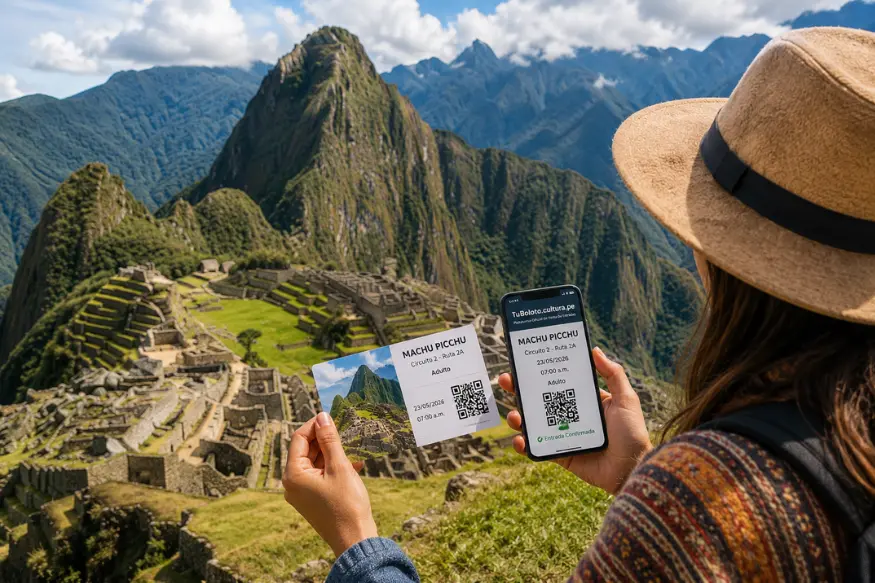
Machu Picchu Ticket Prices Machu Picchu ticket prices depend on the route you choose…
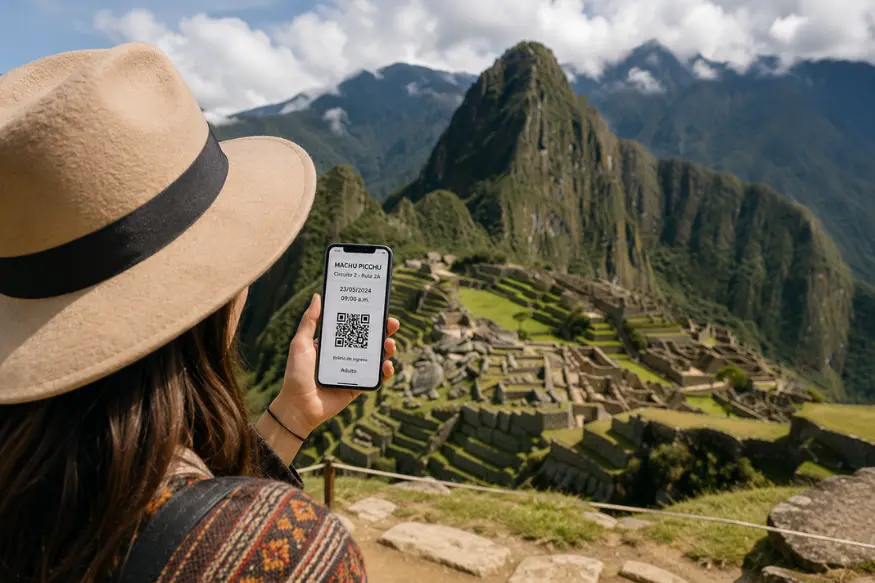
How to Buy Machu Picchu Tickets
How to Buy Machu Picchu Tickets: Step-by-Step Guide Buying Machu Picchu tickets is simple…
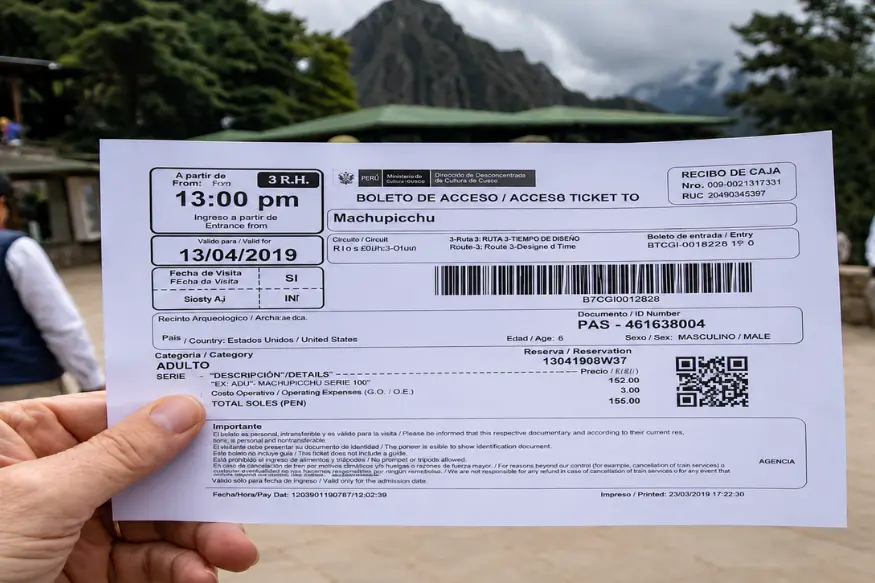
Machu Picchu Tickets Buying your Machu Picchu tickets is one of the most important…
Machu Picchu Elevation: How High Is Machu Picchu? Taking the train to Machu Picchu…
Aguas Calientes to Machu Picchu
Machu Picchu Elevation: How High Is Machu Picchu? Once you arrive in Aguas Calientes,…
Related Tours