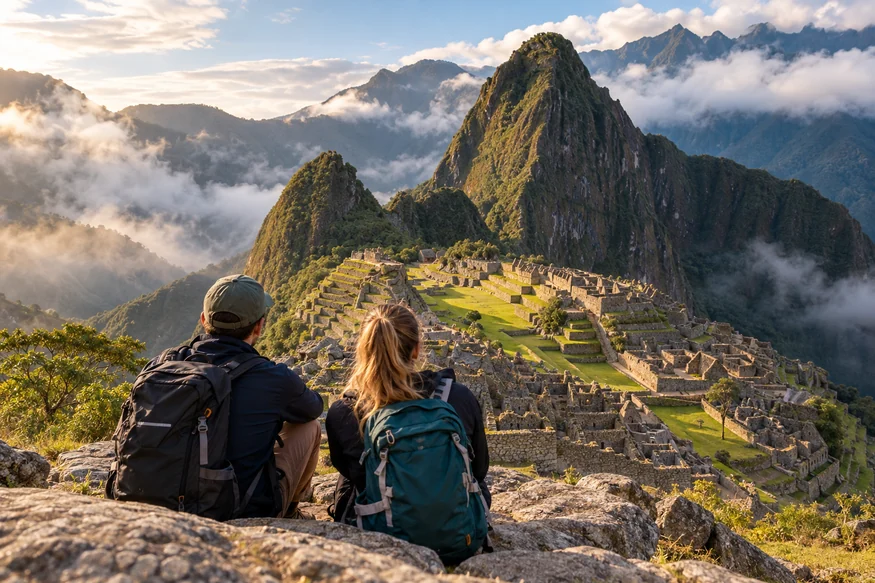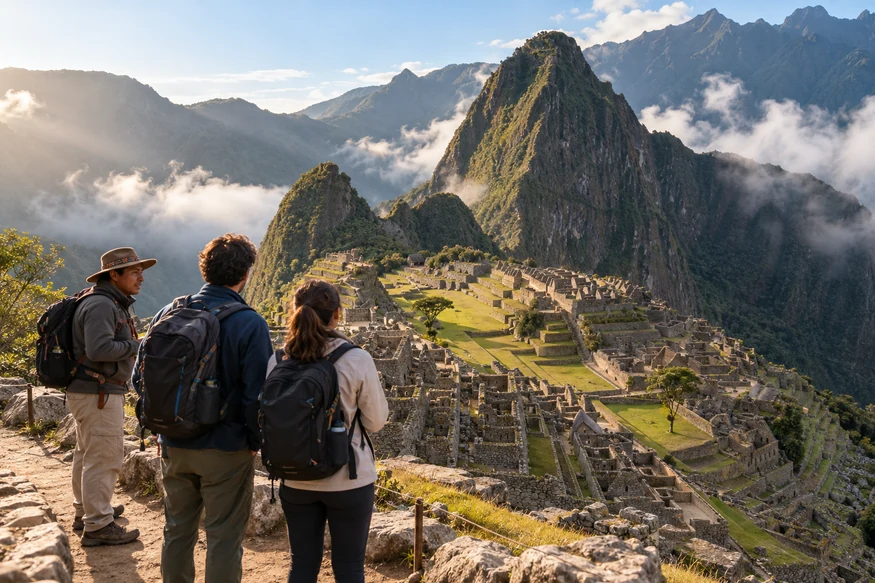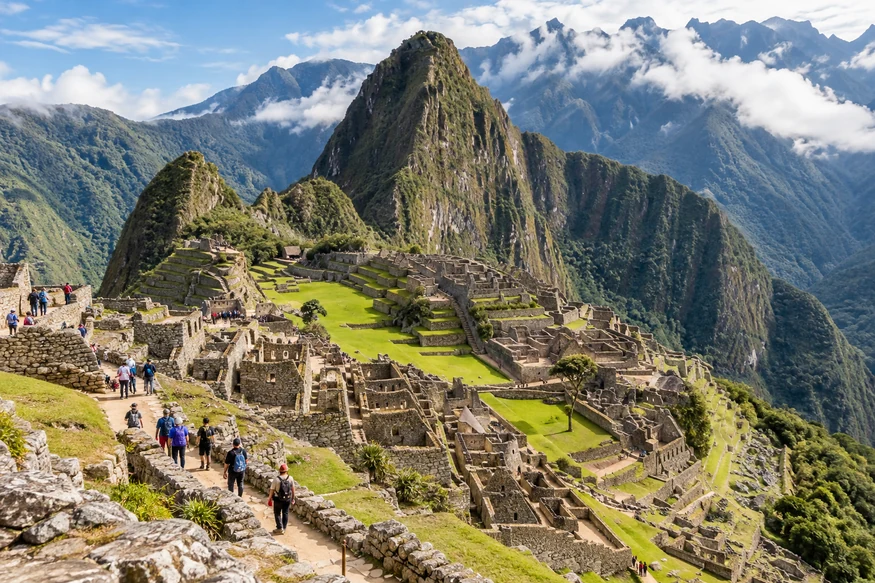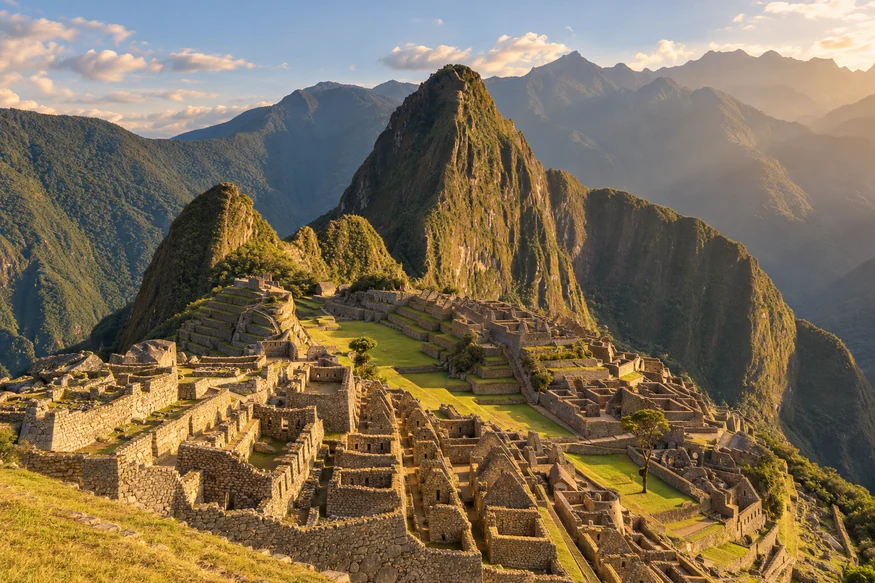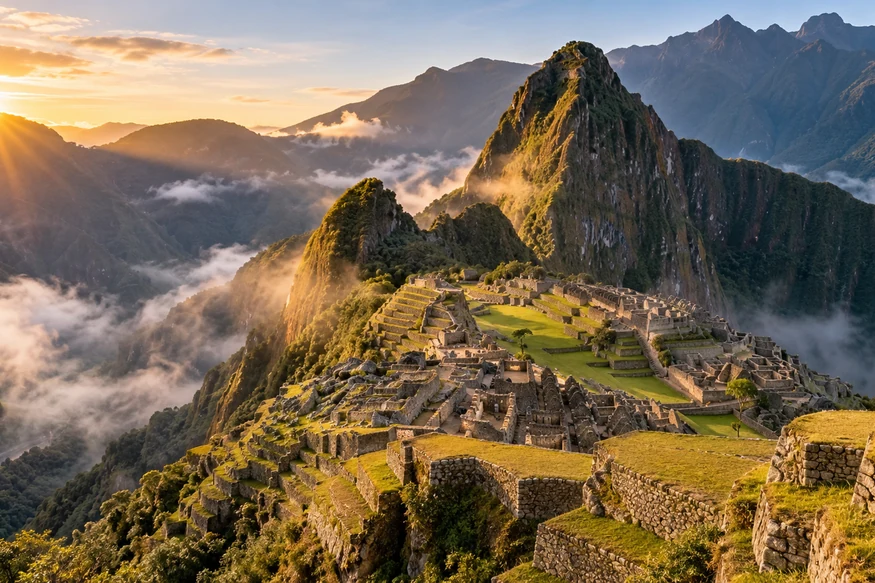
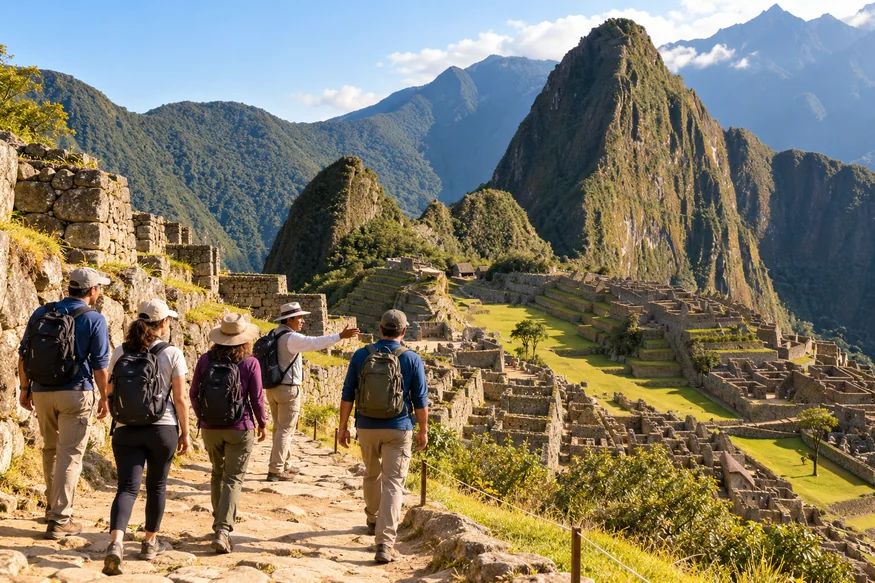

Is Machu Picchu safe? For most visitors who use official transportation, follow their assigned route, and prepare for the terrain, Machu Picchu is generally a well-managed destination. The archaeological site has controlled entry, established circuits, park staff, guides, and police presence. The most common concerns are practical rather than dramatic: wet stone steps, sudden weather, fatigue, tight travel connections, and keeping belongings secure during the journey.
Safety also depends on the wider itinerary. Most travelers pass through Cusco, Ollantaytambo, the train, and Machu Picchu Pueblo before reaching the entrance. A sensible plan should therefore protect you from physical risks inside the site and common travel problems along the way.
Quick answer: Machu Picchu is generally safe for prepared travelers. Wear shoes with good grip, follow the one-way circuit, carry a small permitted bag, protect yourself from rain and sun, use official tickets and transport, and monitor local conditions before travel.
Machu Picchu Safety at a Glance
| Concern | Realistic risk | How to reduce it |
|---|---|---|
| Crime inside Machu Picchu | Low within the controlled archaeological site | Keep valuables close and follow staff instructions. |
| Slips and falls | The most relevant physical concern | Wear grippy shoes, use handrails where available, and slow down on wet stone. |
| Altitude | Possible, especially during the wider Cusco itinerary | Acclimatize gradually, avoid overexertion, and discuss health concerns with a clinician. |
| Rain, sun, and changing weather | Common and manageable | Carry light waterproof protection, sun protection, and water. |
| Transport disruption | Occasional | Confirm services, allow schedule margins, and monitor advice from your operator. |
| Petty theft and scams | More relevant in transit areas than inside the site | Use official sellers and registered services; do not display valuables. |
Is Machu Picchu Safe Right Now?
Conditions in Peru can change, so no travel article should replace a current advisory. Official guidance may distinguish Machu Picchu and the Cusco tourist corridor from other parts of the country with different security concerns. Before departure, review the latest advice from your own government and confirm trains, roads, and entrance operations with your travel provider.
Useful official resources include the U.S. State Department Peru travel advisory and the UK government’s Peru travel advice. Travelers from other countries should check their own foreign ministry as well.
If local demonstrations or strikes affect southern Peru, trains and roads may be delayed or suspended with limited notice. Do not attempt to cross a roadblock or join a demonstration. Follow instructions from local authorities and your operator, keep essential medication with you, and leave flexibility around important international connections.
Safety Inside the Archaeological Site
Machu Picchu operates with timed entry and designated visitor routes. Park guards from Peru’s Ministry of Culture and National Police officers are recognized authorities inside the monument. Visitors must remain on their assigned circuit and respect barriers, signs, and staff directions.
The official Machu Picchu code of conduct prohibits running, jumping, climbing or leaning on walls, leaving the established routes, carrying oversized bags, and entering with items such as tripods, selfie sticks, umbrellas, or hard-soled shoes. These rules protect the monument, but many also reduce accidents on narrow paths.
Read our practical guide to Machu Picchu rules and backpack limits before packing. The best safety habit inside the site is simple: move at a pace that lets you watch the ground, not only the view.
Stone Steps, Uneven Paths, and Fall Risk
Stone steps are one of the most important safety considerations. Routes can include steep stairways, irregular surfaces, narrow passages, and sections without modern railings. After rain, polished stone may become slippery. Looking through a phone while walking makes those risks worse.
Wear supportive walking shoes with a tread that grips wet stone. Pause only where the route allows, keep both hands free on difficult sections, and step aside carefully if you need to adjust a bag or camera. Do not sit on walls or use archaeological structures for balance.
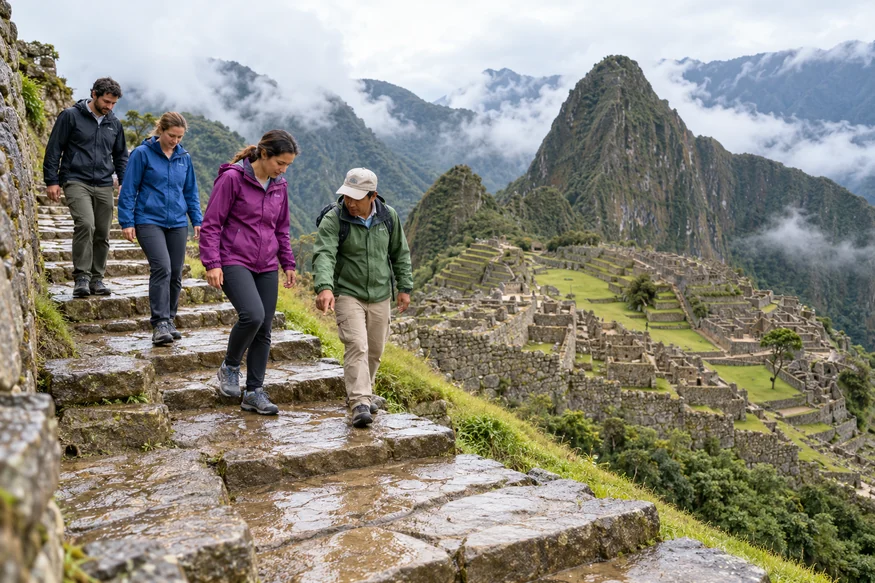
If anyone in your group has knee, balance, mobility, or heart concerns, discuss them before purchasing a route. Circuits are not identical, and the most famous option is not automatically the safest or most enjoyable for every visitor. Compare the Machu Picchu circuits before booking.
Altitude and Health Considerations
Machu Picchu sits at approximately 2,430 meters above sea level and is lower than Cusco. However, many visitors sleep in Cusco at a substantially higher elevation before the trip, and the wider itinerary can still cause headache, tiredness, nausea, or shortness of breath in susceptible travelers.
The CDC’s Peru traveler guidance recommends discussing altitude illness prevention and treatment with a healthcare professional. Individual fitness does not guarantee immunity. Travelers with medical conditions, pregnant travelers, and anyone with a previous serious altitude reaction should seek personalized medical advice before the trip.
Acclimatize gradually when possible, rest after arriving in the Andes, eat lightly, stay hydrated, and avoid forcing intense activity when you feel unwell. Our guide to Machu Picchu elevation explains how the site compares with Cusco, Machu Picchu Pueblo, and the surrounding mountains.
Seek urgent medical help for severe or worsening symptoms, confusion, difficulty walking, breathlessness at rest, chest pain, or loss of consciousness. Do not continue a hike merely to keep the schedule.
Weather Safety: Rain, Sun, and Heat
Machu Picchu’s cloud-forest weather can change quickly. Mist may become sunshine, and a short shower can leave the stone wet even after the sky clears. Carry a lightweight waterproof jacket or poncho because umbrellas are not permitted inside. Use sunscreen, a hat, and sunglasses even on a cloudy morning, and dress in light layers.
Check our Machu Picchu weather guide and Machu Picchu packing list. They will help you prepare without exceeding the official bag limit.
Is the Journey to Machu Picchu Safe?
Most visitors travel from Cusco or the Sacred Valley to a train station, continue to Machu Picchu Pueblo, and take the official shuttle bus to the entrance. These are established tourist services, but safe planning still matters.
- Book trains, admission, and transfers through official channels or a reputable operator.
- Confirm the station name and departure time; several services use stations outside central Cusco.
- Allow enough time between road transfers, trains, shuttle buses, and timed admission.
- Keep your passport, phone, ticket, medication, and payment cards in your hand luggage.
- Do not leave valuables visible in vehicles or unattended at stations.
- Check for disruption before starting each stage of the journey.
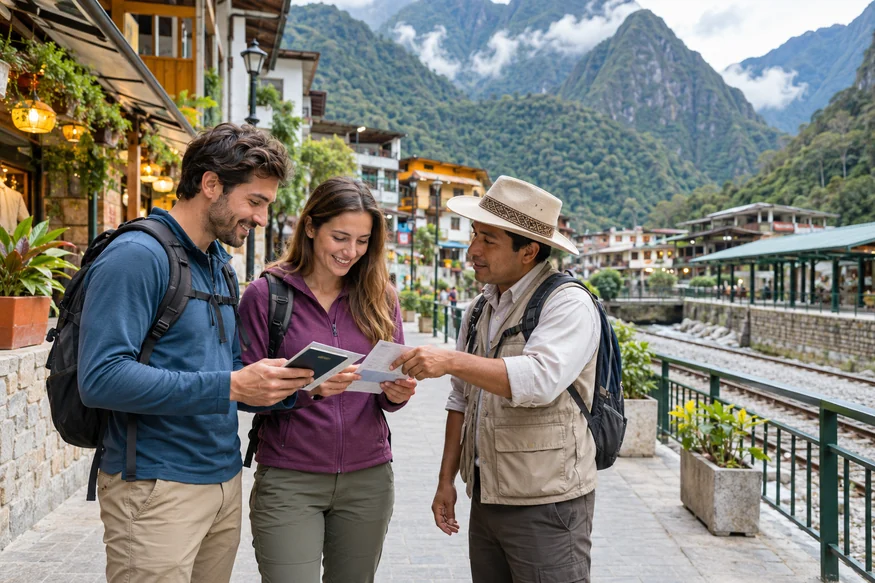
For the logistics, read our guides to the train to Machu Picchu and traveling from Aguas Calientes to Machu Picchu.
Petty Theft, Unofficial Sellers, and Common Scams
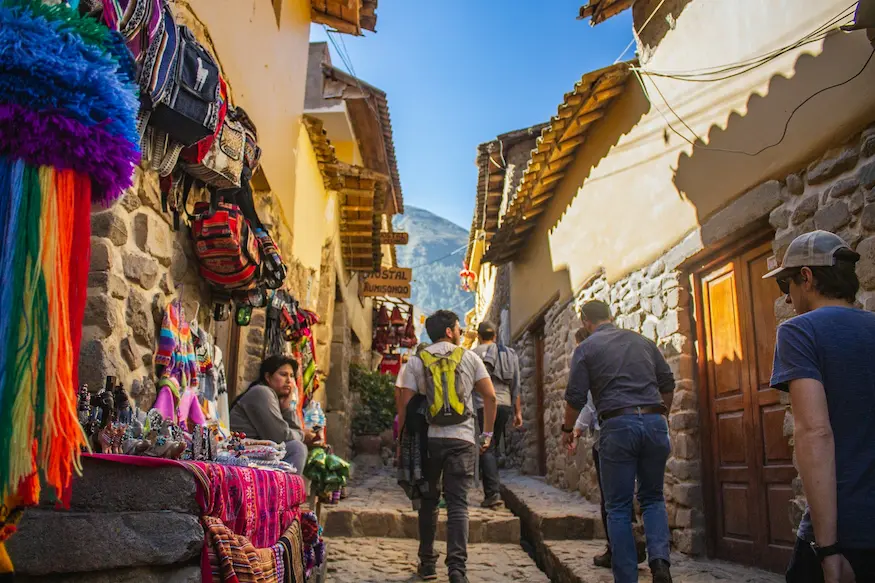
Crime is not usually the defining concern inside the controlled archaeological site. Petty theft is more relevant in busy stations, markets, terminals, and crowded streets elsewhere in the journey. Carry only what you need, keep bags zipped and in front of you in crowds, and avoid displaying large amounts of cash or expensive equipment.
Ticket fraud and misleading offers can create a larger practical risk than street crime. Buy admission through Peru’s official Tu Boleto platform or arrange it through a reputable operator. A train reservation does not include entrance to the archaeological site, and an entrance ticket is issued for a specific visitor, date, time, circuit, and route.
Never send passport images or payment information to an unverified social-media account. Confirm the company’s legal name, website, contact details, inclusions, cancellation conditions, and exact route before paying.
Is Machu Picchu Safe for Solo Travelers?
Many solo travelers visit Machu Picchu successfully. The established transport corridor and controlled entrance make the destination easier to navigate than a remote independent expedition. The biggest solo-travel advantages come from planning: reserve official services, share your itinerary with someone you trust, keep your phone charged, and avoid walking alone on unfamiliar roads or railway tracks.
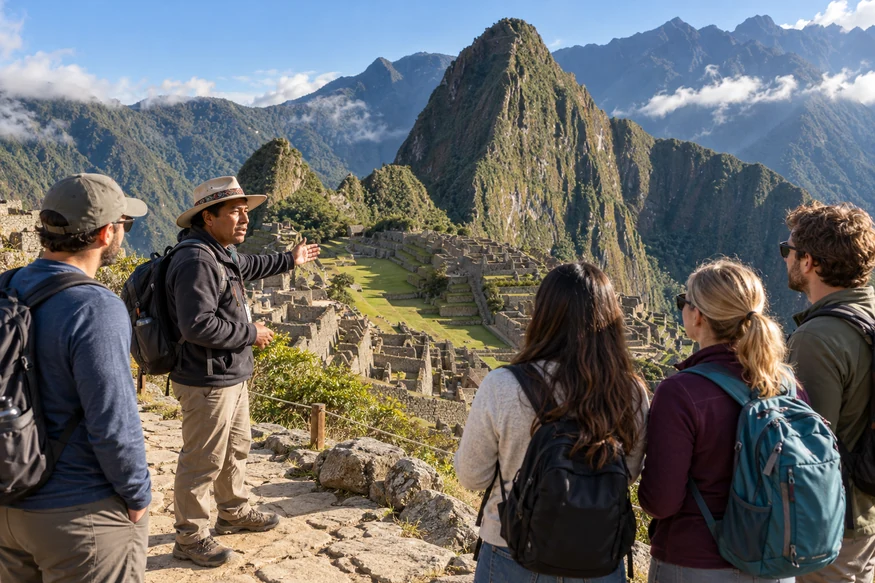
A small-group guided tour can simplify connections and provide a local contact if schedules change. It also helps first-time visitors follow their route without spending the visit checking maps and timings. Read Do You Need a Guide for Machu Picchu? for the practical differences.
Is Machu Picchu Safe for Families and Older Travelers?
Yes for many families and older travelers, provided the route matches their mobility and the schedule is not overloaded. Children should remain close to an adult on stairs and narrow paths. Baby strollers are not permitted, so families with very young children need a realistic carrying plan that respects site rules.
Older travelers may prefer an overnight stay in Machu Picchu Pueblo, which removes some pressure from a same-day journey. Choose a route with manageable steps, tell the operator about mobility or medical needs in advance, and do not assume every traveler should add a mountain hike.
What to Carry for a Safer Visit
- Your original identification and confirmed entrance ticket.
- A compact daypack within the official size limit.
- Light rain protection—never an umbrella inside the site.
- Sun hat, sunscreen, and sunglasses.
- Water secured inside your bag.
- Personal medication and a simple travel health kit.
- A charged phone and portable power bank.
- A small amount of local currency stored discreetly.
- Travel insurance details and emergency contacts.
Leave large luggage at your accommodation or an appropriate storage service. Avoid carrying prohibited equipment that could delay entry or force you to reorganize at the gate.
Machu Picchu Safety Checklist
- Check current government travel advice and local transport conditions.
- Confirm your ticket, exact circuit, entry time, train, station, and transfer.
- Share the itinerary with a trusted contact.
- Use registered transportation and verified booking channels.
- Wear shoes with reliable grip and weather-appropriate layers.
- Keep identification, medication, and valuables in your daypack.
- Follow park staff, your guide, barriers, and the established route.
- Walk slowly on stairs and stop before using your phone or camera.
- Tell your guide immediately if you feel unwell.
- Leave margin around trains, flights, and other fixed connections.
Safer Machu Picchu Tours with Coordinated Logistics
- Machu Picchu Day Trip from Cusco — coordinates road transport, train, shuttle, entrance planning, and a guided visit for travelers with limited time.
- Machu Picchu Tour 2 Days 1 Night — offers a less rushed journey with an overnight stay near the archaeological site.
- Machu Picchu 1 Day Deluxe Tour — provides upgraded comfort while keeping the day’s essential reservations coordinated.
Travel with fewer uncertainties. Tell Big Foot Machu Picchu about your dates, pace, mobility needs, and preferred experience. Our Cusco-based team can coordinate the ticket, transport, train, shuttle, and guide around one clear itinerary.
Frequently Asked Questions
Is crime common at Machu Picchu?
Serious crime is not the main concern inside the controlled archaeological site. Visitors should still secure valuables. Petty theft is more relevant in busy stations, terminals, markets, and other crowded areas during the wider journey.
Is it safe to visit Machu Picchu alone?
Many solo travelers visit safely. Use official services, keep someone informed of your itinerary, avoid isolated shortcuts, and consider a small-group tour if you want logistical support and historical interpretation.
Are the stairs at Machu Picchu dangerous?
The stone stairs can be steep, uneven, and slippery after rain. They are manageable for many visitors who wear suitable shoes, move slowly, and choose a route compatible with their mobility.
Is altitude sickness a risk at Machu Picchu?
It is possible, although Machu Picchu is lower than Cusco. The broader itinerary may involve higher sleeping elevations. Acclimatize gradually and seek personalized medical advice if you have health concerns or a history of altitude illness.
Is the train to Machu Picchu safe?
The train is the established route used by most non-hiking visitors. Book with official providers, confirm the correct station, watch your belongings, and monitor service notices because protests or weather can occasionally disrupt travel.
Is Machu Picchu safe during the rainy season?
Visits continue during much of the rainy season, but wet stone increases slip risk and transport can be affected by severe conditions. Wear grippy footwear, carry a poncho or waterproof jacket, and follow official and operator guidance.
Final Safety Advice
Machu Picchu is generally a safe destination when travelers respect its controlled routes and prepare for the realities of mountain travel. The most useful precautions are ordinary ones: book legitimate services, monitor conditions, protect your belongings, wear appropriate shoes, move carefully on stone, and speak up when you feel unwell.
A well-coordinated itinerary removes many avoidable risks before the journey begins. Once inside, slow down and follow the route. The goal is not merely to reach the famous viewpoint—it is to experience the Inca city confidently, responsibly, and with enough attention to enjoy where you are.
Travel conditions, entrance rules, routes, and transport operations can change. Check official guidance and current notices before departure. This article provides general travel information and is not medical or emergency advice.