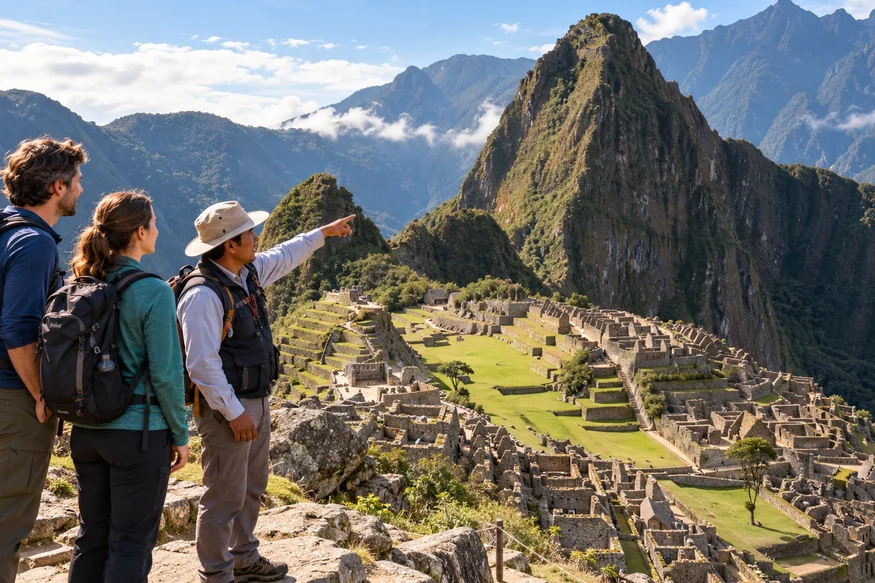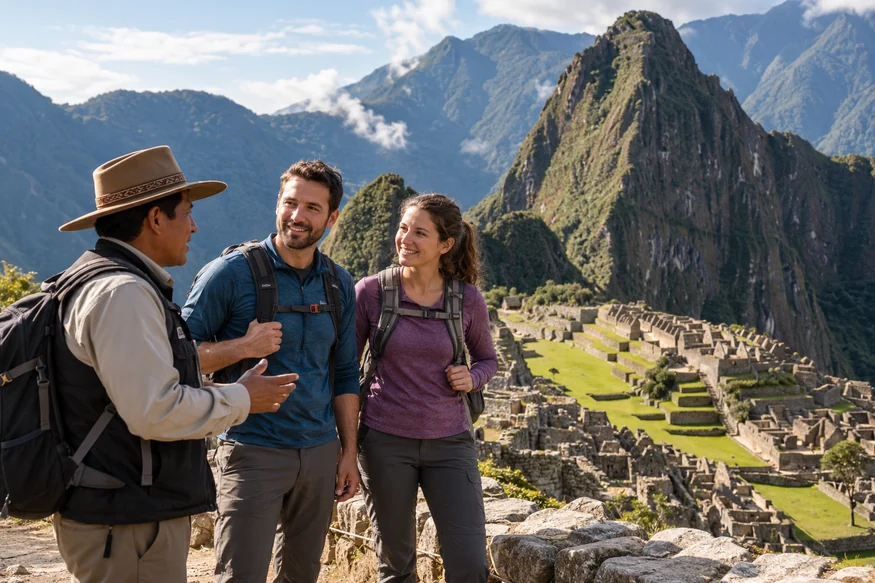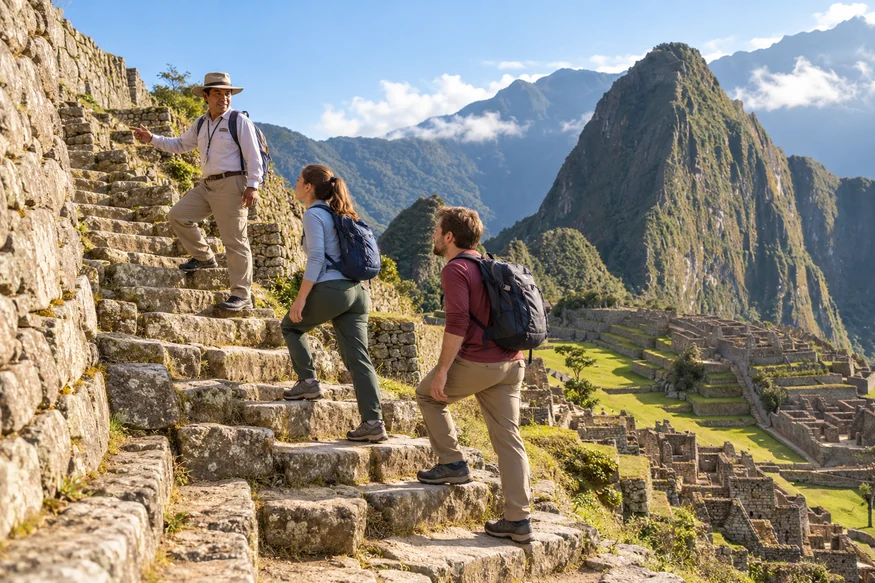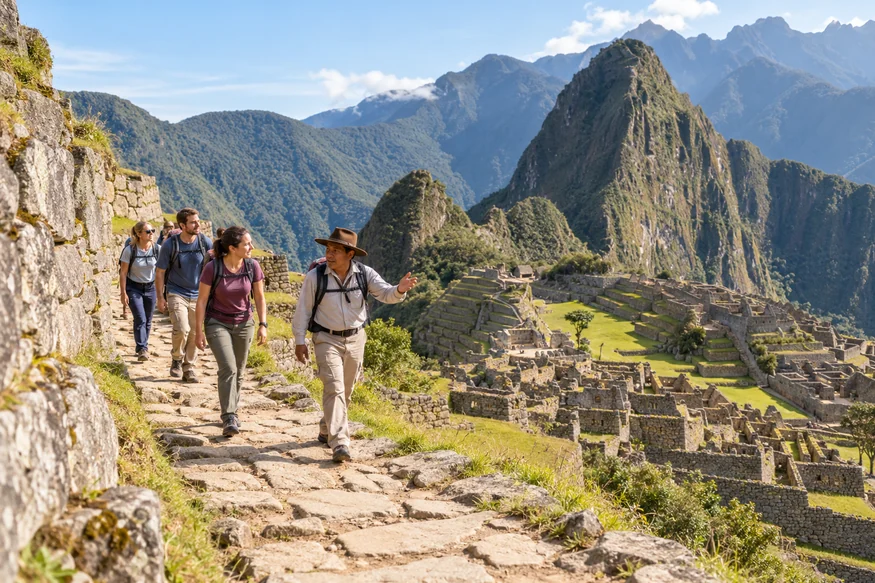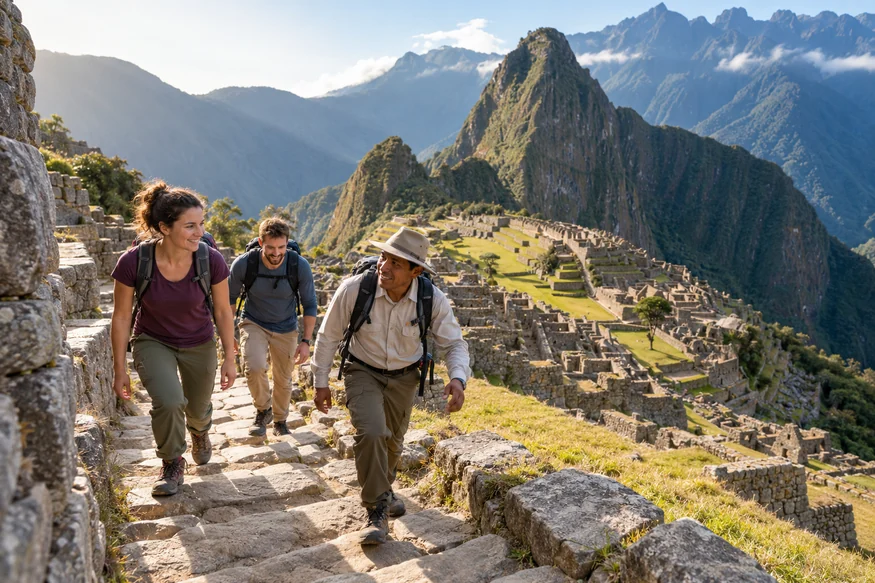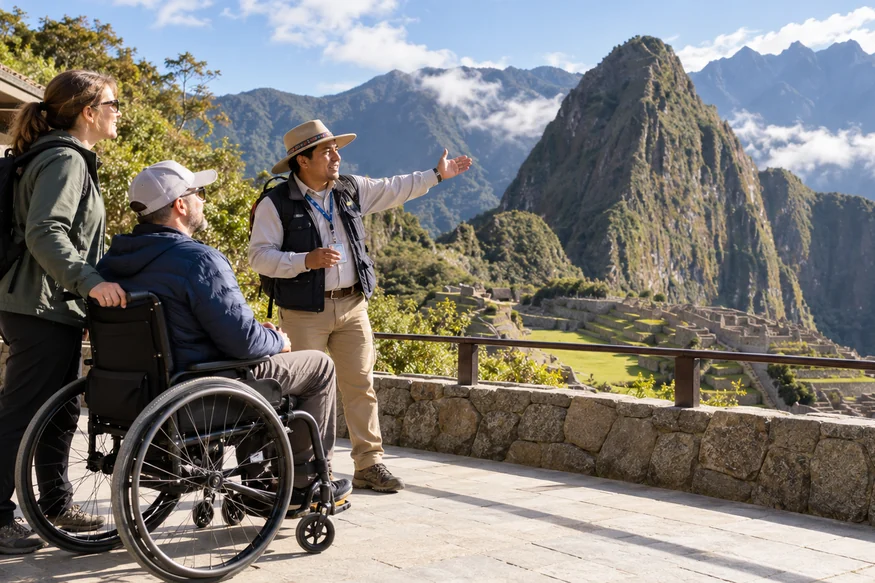
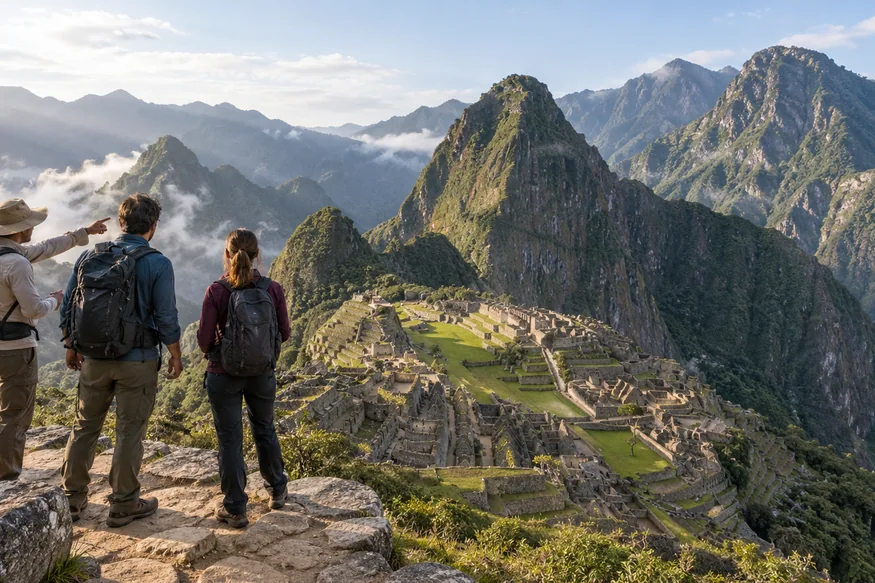

Huayna Picchu and Machu Picchu Mountain are two optional hikes inside the Machu Picchu sanctuary, but they deliver very different experiences. Huayna Picchu is the shorter, sharper climb with narrow stone stairs and dramatic exposure. Machu Picchu Mountain is the longer endurance hike, with a more open trail and a broad panorama over the citadel and surrounding Andes.
Neither choice is automatically better. The right one depends on how you handle steep steps, heights, sustained climbing and the type of view you want. Your ticket also determines which official circuit accompanies the mountain, so choosing a hike is also choosing part of your archaeological route.
Quick answer: choose Huayna Picchu if you want a compact, adventurous climb and feel confident on steep, exposed stairs. Choose Machu Picchu Mountain if you prefer a longer physical challenge, more open terrain and a wider panoramic view. If heights or knee strain are a concern, prioritize your citadel circuit instead of adding either mountain.
Huayna Picchu vs Machu Picchu Mountain at a Glance
The official route system places the two climbs in different circuits. Huayna Picchu—also written Waynapicchu—is Route 3-A within the Royalty Circuit. Machu Picchu Mountain is Route 1-A within the Panoramic Circuit. A general entrance ticket does not allow you to choose either trail after arrival; the mountain must be named on your reservation.
| Comparison | Huayna Picchu | Machu Picchu Mountain |
|---|---|---|
| Official route | Circuit 3, Route 3-A | Circuit 1, Route 1-A |
| Trail character | Shorter, steeper and more enclosed | Longer, more gradual and more open |
| Exposure | Higher; narrow stairs and abrupt edges | Lower overall, though still a mountain trail |
| Physical challenge | Intense, concentrated climb | Sustained ascent requiring endurance |
| Signature view | Dramatic aerial angle directly above the citadel | Expansive panorama of the citadel and Andean ridges |
| Best for | Agile hikers comfortable with heights | Steady hikers who prefer space and scenery |
The official route maps currently indicate a maximum stay of six hours for Route 3-A and seven hours for Route 1-A. These are overall route limits, not suggested hiking times. Your actual pace, checkpoint instructions and entrance window still control the day.
What the Huayna Picchu Hike Feels Like
Huayna Picchu rises immediately behind the citadel in the classic Machu Picchu view. The trail enters cloud forest, gains height quickly and becomes progressively steeper. Ancient stone stairs, tight turns and fixed cables define its upper sections. At several points, the mountain feels close, vertical and exposed.
The climb is not only about reaching a summit. Terraces and archaeological remains appear along the route, and the view looking down on Machu Picchu reveals the site’s compact design against the Urubamba River canyon. It is a rare perspective, but it is not the same postcard composition seen from the upper terraces of the citadel.
Descending often demands more care than climbing. Irregular steps require controlled foot placement, especially when stone is damp. Travelers with vertigo, balance concerns or significant knee discomfort should not choose Huayna Picchu simply because it is famous.
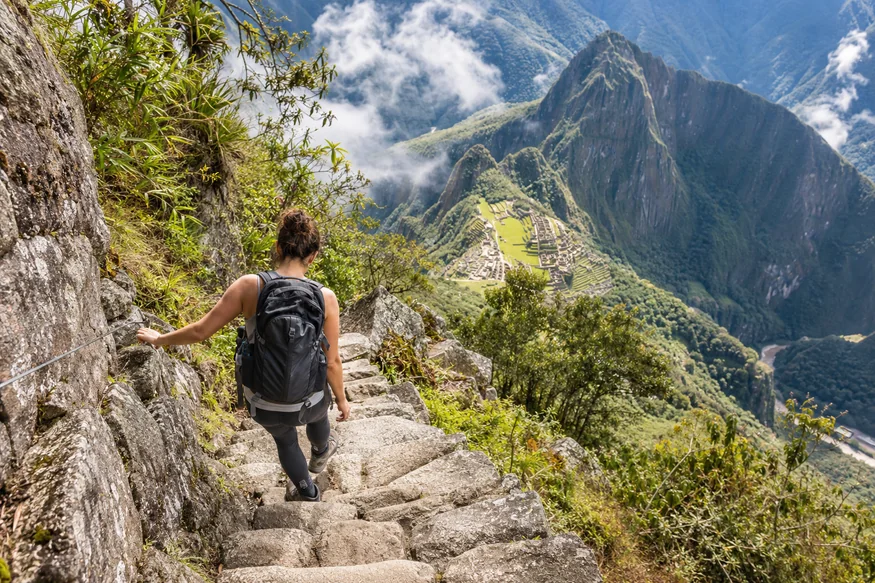
For a deeper look at the terrain, preparation and viewpoint, read our dedicated Huayna Picchu Mountain guide.
What the Machu Picchu Mountain Hike Feels Like
Machu Picchu Mountain climbs the high ridge on the opposite side of the sanctuary. The path is longer and demands steady effort, but it generally feels more spacious than Huayna Picchu. The stone steps remain uneven and the ascent is substantial, yet the trail offers more open sightlines and fewer compressed passages.
As you rise, the citadel appears smaller within a much larger landscape. The reward is a sweeping view that places Machu Picchu among layers of forested mountains rather than directly beneath your feet. Photographers often appreciate the sense of scale and the changing perspectives along the ascent.
This is not the easy alternative. Machu Picchu Mountain may feel less intimidating for travelers uncomfortable with narrow exposure, but its length and continuous elevation gain require stronger endurance. A slower pace, hydration and realistic turnaround decisions matter.
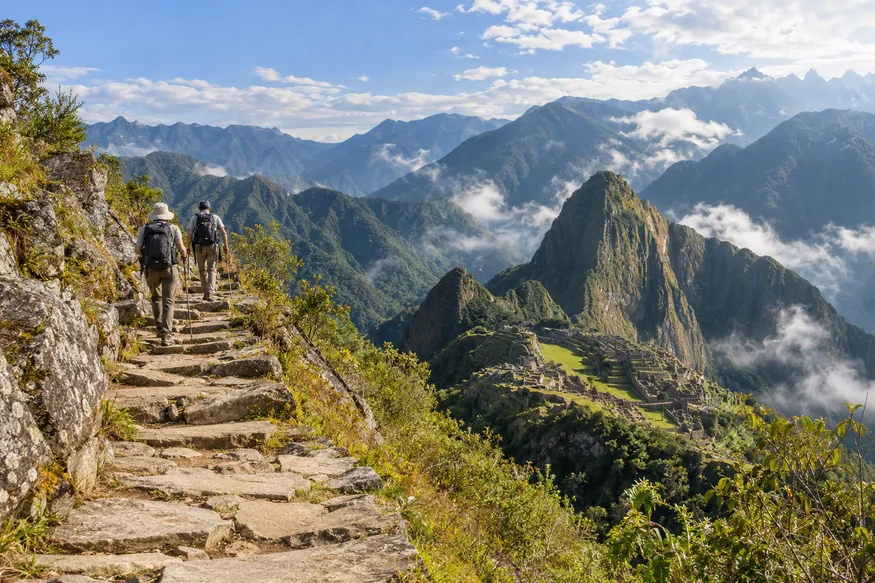
Our complete Machu Picchu Mountain guide explains who will enjoy this route and how to prepare.
Which Hike Is Harder?
Huayna Picchu feels harder technically; Machu Picchu Mountain feels harder aerobically. On Huayna Picchu, the difficulty comes from very steep stairs, narrow sections, exposure and the concentration required during the descent. On Machu Picchu Mountain, the challenge is maintaining a steady uphill effort for longer.
A fit traveler can still dislike Huayna Picchu if heights create anxiety. Likewise, someone calm on steep terrain can struggle on Machu Picchu Mountain without enough cardiovascular endurance. The best question is not “Which one is harder for everyone?” but “Which type of difficulty suits me?”
- Choose Huayna Picchu if agility, balance and exposure do not worry you.
- Choose Machu Picchu Mountain if you can handle a longer climb and prefer a more open trail.
- Skip both if steep or prolonged stairs could reduce your enjoyment of the main citadel.
Use our guides to Machu Picchu difficulty and Machu Picchu stairs to assess the complete visit, not only the mountain extension.
Which One Has the Better View?
Huayna Picchu creates the more dramatic aerial view. You stand above the ruins and see the citadel’s plan compressed against the river canyon. The feeling is intimate, steep and adventurous.
Machu Picchu Mountain gives the broader landscape view. The citadel becomes one remarkable element within a vast ring of Andean peaks. The higher, more distant perspective better communicates the sanctuary’s isolation and scale.
If your dream photograph is the familiar panorama with Huayna Picchu behind the ruins, neither summit is the main answer. That composition comes from selected upper viewpoints inside Machu Picchu. Review the Machu Picchu circuits before allowing a mountain ticket to replace the archaeological route you actually want.
How the Tickets and Circuits Differ
Huayna Picchu Route 3-A belongs to the lower Royalty Circuit. It combines the climb with selected archaeological areas in Circuit 3. Machu Picchu Mountain Route 1-A belongs to the Panoramic Circuit and emphasizes upper viewpoints rather than a deep passage through every sector of the citadel.
This difference is easy to overlook. Buying a mountain ticket does not provide unrestricted access to all of Machu Picchu, and staff cannot change the route printed on your ticket. If temples, the classic terrace viewpoint or a detailed guided visit are priorities, confirm exactly what your mountain route includes before purchase.
Some travelers book a second entrance for another circuit. That can create a richer visit, but it requires compatible entry times, enough physical energy and careful coordination with trains and buses. Read our Machu Picchu ticket guide and the comparison of Machu Picchu vs Huayna Picchu before committing.
Can You Hike Both Mountains on the Same Day?
For most visitors, attempting both is neither practical nor the best use of a first visit. Each mountain requires its own specific ticket and controlled entry. Combining them would mean arranging separate entrances, matching official time windows and completing two demanding climbs at altitude.
Even if availability makes the plan technically possible, fatigue can turn the second hike into an obligation instead of a reward. Choose one mountain and protect enough attention for the archaeological sanctuary. Repeat visitors with excellent fitness should still confirm current rules before building a same-day plan.
Who Should Choose Huayna Picchu?
- Confident hikers who enjoy steep, adventurous routes.
- Travelers comfortable with narrow stairs and visible drop-offs.
- Visitors seeking a close aerial angle over the citadel.
- People who prefer a concentrated physical challenge.
- Repeat visitors who already know the classic viewpoints.
Huayna Picchu should feel exciting, not frightening. If exposure will dominate your attention, choose the more open mountain or spend that energy on a better archaeological circuit.
Who Should Choose Machu Picchu Mountain?
- Hikers with solid endurance who enjoy sustained ascents.
- Travelers who want wider paths and fewer tight passages.
- Photographers seeking a broad panorama of the entire landscape.
- Visitors who prefer open mountain scenery over a compact climb.
- People less comfortable with Huayna Picchu’s sharper exposure.
Machu Picchu Mountain still contains long stair sections and significant elevation gain. “Less exposed” does not mean flat, easy or suitable for every traveler.
Weather, Altitude and Safety
Both hikes take place at altitude, and mountain weather can change quickly. Rain makes polished stone more slippery; cloud may temporarily hide the view; strong sun can increase fatigue even on a cool day. Wear broken-in shoes with reliable grip and clothing that works in changing conditions.
Arrive acclimatized, move at a sustainable pace and keep both hands available where the terrain requires balance. Large bags and certain items are restricted under the sanctuary’s rules. Consult our guides to altitude sickness at Machu Picchu and what to pack.
Temporary closures can occur because of safety, maintenance or weather. Always confirm the current route status through the official Machu Picchu platform shortly before your visit.
Our Recommendation
For confident hikers who want a memorable burst of adventure, Huayna Picchu is the more distinctive climb. For travelers who value a spacious trail, prolonged exercise and sweeping scenery, Machu Picchu Mountain is the better match.
For a first visit, however, protect the core Machu Picchu experience before adding a summit. Select the archaeological circuit you would regret missing, then decide whether one mountain fits your fitness, time and comfort. A well-designed itinerary should leave you impressed by the sanctuary—not rushed between checkpoints.
Choose the Mountain That Fits Your Trip
Tell our local team whether you prefer steep adventure, panoramic hiking or a deeper guided visit of the citadel. We can match the ticket route to your fitness and coordinate it with trains, buses and the rest of your Machu Picchu itinerary.
Frequently Asked Questions
Is Huayna Picchu the same as Machu Picchu Mountain?
No. They are different mountains on opposite sides of the sanctuary, with separate trails, tickets and official routes.
Which is more dangerous: Huayna Picchu or Machu Picchu Mountain?
Huayna Picchu feels more exposed because of its steep, narrow sections. Both are controlled mountain routes that require careful movement and compliance with staff instructions.
Which hike is better for someone afraid of heights?
Machu Picchu Mountain is generally the better of the two because the trail feels more open and less abrupt. Travelers with strong vertigo may be happier skipping both mountain hikes.
Which hike has fewer stairs?
Huayna Picchu is the more concentrated climb, while Machu Picchu Mountain involves a longer sustained ascent. Both contain many uneven stone steps, so neither should be chosen as a stair-free option.
Do I need a special ticket for each mountain?
Yes. Huayna Picchu requires Route 3-A and Machu Picchu Mountain requires Route 1-A. Access is not included with unrelated circuit tickets.
Can children hike either mountain?
Age rules and route conditions can change. Families should verify the current official conditions before buying and judge whether every child can safely manage prolonged stairs, exposure and altitude.
Which mountain should a first-time visitor choose?
Choose Huayna Picchu for steep adventure or Machu Picchu Mountain for endurance and panorama—but first confirm that the accompanying circuit gives you the Machu Picchu experience you want most.
Routes, operating conditions and entry rules can change. Confirm current details on the official Machu Picchu circuits and routes page before purchasing tickets.