
Ausangate Trek in February
The Ausangate Trek in February takes place during the heart of the rainy season in the Peruvian Andes. Rain is frequent, trails can become muddy, and clouds often move quickly across the mountains, making conditions less predictable than during the dry season.
This time of year also brings a noticeable change to the landscape. The valleys around the Ausangate Trek are at their greenest, rivers and streams carry more water, and there are far fewer trekkers on the trail.
February is not the easiest month to take on this high-altitude trek, especially for first-time hikers. If you are considering it, it is important to know what the weather is really like, how the rain affects the trail, and what conditions you may face at higher elevations.
What Is the Ausangate Trek Like in February?
February falls right in the middle of the wet season in the southern Peruvian Andes. Rain is common, clouds often gather around the mountains, and the weather can change quickly at higher elevations. A clear or calm morning can turn into rain, mist, or even hail later in the day.
At the same time, this is one of the greenest periods around Ausangate. The valleys and mountain slopes are covered in vegetation, wetlands hold more water, and streams are noticeably stronger than during the dry season.
This is particularly important if you are considering a multi-day route such as the Ausangate Trek 5 Days. You will be spending several days in remote mountain terrain, much of it above 4,000 meters, so rain and changing weather can have a real impact on daily hiking conditions.
You can still trek Ausangate in February when conditions allow, but flexibility is important. Expect wet weather and be prepared for plans to change if conditions in the mountains become unfavorable.
Ausangate Weather in February
February is one of the wetter months around Ausangate, but that does not mean it rains continuously all day. Conditions can change quickly, with dry or sunny periods followed by clouds, rain, or mist later in the day.
| Weather Condition | What to Expect |
|---|---|
| Rainfall | Frequent rain, with heavier showers possible |
| Cloud Cover | Cloudy and overcast periods are common |
| High Passes | Mist, wind, and reduced visibility can occur |
| Trail Conditions | Wet, muddy, and slippery sections are common |
| Hail or Snow | Possible at the highest elevations |
| Temperature | Rain and wind can make conditions feel much colder |
| Clear Weather | Sunny or partially clear periods are still possible |
The main thing to remember is that rain should be expected on any day in February, even if the morning starts clear.
Also, do not rely entirely on the weather forecast for Cusco. Ausangate crosses remote terrain at much higher elevations, where conditions can be very different and change much faster.
Temperatures on the Ausangate Trek in February
February is summer in Peru, but temperatures on the Ausangate Trek remain cold because most of the route is above 4,000 meters (13,123 feet), with some mountain passes reaching above 5,000 meters (16,404 feet).
Temperatures vary with elevation, cloud cover, wind, and rainfall, but trekkers can generally expect:
| Time or Condition | Approx. Temperature | What to Expect |
|---|---|---|
| Daytime | 8°C to 15°C (46°F to 59°F) | Cool to mild while hiking |
| Rainy periods | 5°C to 10°C (41°F to 50°F) | Feels colder when wet or windy |
| High passes | 0°C to 7°C (32°F to 45°F) | Cold and often windy |
| Early mornings | 0°C to 5°C (32°F to 41°F) | Cold, especially at higher camps |
| Nighttime | -5°C to 3°C (23°F to 37°F) | Very cold at high-altitude camps |
These are approximate ranges rather than guaranteed temperatures. Conditions can change quickly in the mountains, particularly around the highest passes.
Rain and wind can also make it feel considerably colder than the actual temperature, so warm layers and waterproof clothing are essential even during Peru’s summer months.
Trail Conditions in February
Trail conditions are one of the main reasons February is more difficult.
Repeated rainfall can saturate the ground and create muddy or slippery sections, particularly in valleys, wetlands, steep descents, and areas used by pack animals.
Trekkers may encounter:
- Deep mud in some sections
- Slippery rocks
- Wet grass
- Standing water
- Stronger streams
- Soft or waterlogged ground
- Reduced visibility on mountain passes
These conditions can make progress slower than during the dry season.
Waterproof hiking boots with good traction are strongly recommended. Trekking poles are also particularly useful for maintaining balance on muddy descents and uneven terrain.
After periods of unusually heavy rainfall, local conditions should always be checked before starting the trek.
How Difficult Is the Ausangate Trek in February?
The Ausangate Trek difficulty comes mainly from the altitude, long hiking days, remote terrain, and high mountain passes, some of which reach around 5,000 meters. In February, wet weather can make the route noticeably harder.
Muddy trails and slippery descents can slow your pace, while rain, cold, and limited visibility can make long days in the mountains more tiring. The altitude remains a major factor regardless of the weather, and being physically fit does not guarantee that you will avoid altitude-related symptoms.
Good acclimatization is essential. Spending a few days in Cusco or another high-altitude area before starting the trek gives your body time to adjust before reaching the highest sections of the route.
For these reasons, February is generally better suited to hikers with previous trekking experience who are comfortable with high altitude and unpredictable mountain weather.
Mountain Visibility in February
Yes, you can see Ausangate Mountain in February, but clear views are less predictable than during the dry season. Clouds and mist often gather around the highest peaks, especially as the weather changes throughout the day.
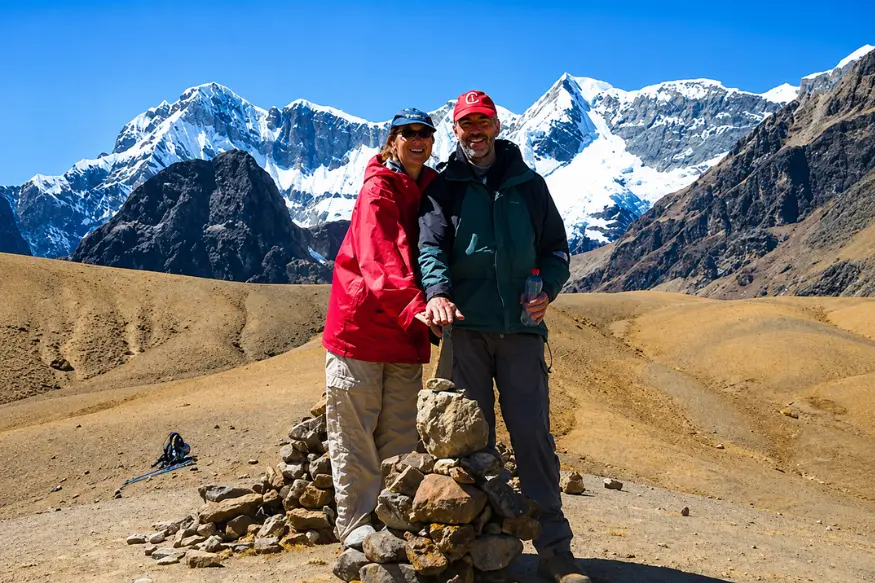
When the sky does clear, the scenery can be impressive. The snow-covered Ausangate massif stands above intensely green valleys, creating a very different landscape from the drier months.
If clear panoramic views are one of your main reasons for doing the trek, February is not the most reliable month. You may get excellent visibility for part of the day, but you should also be prepared for some viewpoints to be hidden by clouds or mist.
Advantages and Disadvantages of Ausangate in February
February offers a very different experience from trekking during the dry season.
| Advantages | Disadvantages |
| Very few trekkers | Frequent rainfall |
| Intensely green landscapes | Muddy and slippery trails |
| More water in rivers and streams | Unpredictable mountain visibility |
| Quiet and remote atmosphere | More difficult camping conditions |
| Dramatic mountain scenery | Greater weather-related uncertainty |
The biggest attraction is solitude and green scenery.
The biggest disadvantage is unpredictability.
Is the Ausangate Trek safe in February?
February requires more caution than the dry-season months because heavy rain can quickly change trail conditions, increase water levels in streams, and reduce visibility at high elevations.
Before starting the trek, check the most recent local conditions, especially after several days of heavy rainfall.
| What to Check | Why It Matters |
|---|---|
| Trail conditions | Mud, erosion, or waterlogged sections can make some areas difficult to cross |
| Recent rainfall | Several days of rain can significantly change conditions on the route |
| Weather forecast | Helps identify periods of heavy rain, storms, or poor visibility |
| Streams and rivers | Water levels may rise after prolonged rainfall |
| Road access | Heavy rain can occasionally affect transportation to or from the trail |
| Local advice | Guides and local operators may have more recent information about conditions on the route |
Because Ausangate crosses remote high-altitude terrain, plans should remain flexible. If weather makes a section unsafe, changing the route or postponing the trek is more sensible than trying to follow the original itinerary at all costs.
What to Pack for Ausangate in February
February requires equipment for both wet weather and cold high-altitude conditions. Prioritize waterproof protection, warm layers, and keeping essential gear dry throughout the trek.
| Category | What to Bring | Why You Need It |
|---|---|---|
| Rain Protection | Waterproof jacket and pants | Essential for frequent rain and changing weather |
| Footwear | Waterproof hiking boots with good traction | Helps with muddy, wet, and slippery trails |
| Stability | Trekking poles | Useful on muddy descents and uneven terrain |
| Warm Layers | Base layers, fleece, and warm jacket | Temperatures drop quickly at high elevations |
| Hands & Head | Warm hat and gloves | Important for cold mornings and high passes |
| Extra Clothing | Additional hiking socks | Gives you a dry pair after wet hiking days |
| Backpack Protection | Rain cover and dry bags | Keeps clothing and equipment protected from moisture |
| Sun Protection | Sunglasses and sunscreen | UV exposure remains strong at high altitude |
| Essential Gear | Headlamp | Useful around camp and for early starts |
One of the most important packing rules for February is to keep at least one complete set of warm clothing completely dry.
A backpack rain cover alone may not be enough during prolonged rain. Store sleeping clothes, electronics, documents, and other important items inside waterproof dry bags or sealed internal bags.
Ausangate Trek Throughout the Year
Conditions around Ausangate change significantly throughout the year. Comparing the months can help you decide whether you prefer greener landscapes and quieter trails or drier conditions and clearer mountain views.
| Month | Weather | Rainfall | Trail Conditions | Overall |
| Ausangate Trek in January | Wet and cloudy | High | Muddy | Challenging |
| Ausangate Trek in February | Very wet | Very high | Very muddy | Least favorable |
| Ausangate Trek in March | Rainy | High | Wet but improving | Challenging |
| Ausangate Trek in April | Transitional | Moderate | Improving | Good |
| Ausangate Trek in May | Mostly dry | Low | Good | Excellent |
| Ausangate Trek in June | Dry and clear | Very low | Excellent | Excellent |
| Ausangate Trek in July | Dry and cold | Very low | Excellent | Excellent |
| Ausangate Trek in August | Dry and clear | Very low | Excellent | Excellent |
| Ausangate Trek in September | Mostly dry | Low | Good | Very good |
| Ausangate Trek in October | Transitional | Moderate | Generally good | Good |
| Ausangate Trek in November | Increasing rain | Moderate to high | Occasionally muddy | Fair |
| Ausangate Trek in December | Rainy | High | Wet and muddy | Challenging |
If your travel dates are flexible, comparing the best time to hike the Ausangate Trek can help you choose a month based on weather, trail conditions, crowds, and the type of scenery you want to experience.
Is February a Good Time to Hike the Ausangate Trek?
For most travelers, February is not one of the best months for the Ausangate Trek.
The combination of frequent rain, muddy trails, cloud cover, high altitude, and remote terrain makes the trek considerably more demanding.
February may be worth considering if you:
- Have previous high-altitude trekking experience
- Are comfortable hiking in the rain
- Have appropriate waterproof equipment
- Prefer very quiet trails
- Want green rainy-season landscapes
- Have flexibility to change plans
Choose another month if you:
- Want the best chance of clear mountain views
- Prefer dry trails
- Have limited trekking experience
- Have a strict itinerary
- Are uncomfortable camping in wet conditions
For most first-time visitors, waiting for more stable conditions is the better option.
Frequently Asked Questions About Ausangate Trek in February
Can you hike the Ausangate Trek in February?
It may be possible depending on current conditions, but February is one of the most challenging periods because of frequent rainfall, muddy trails, poor visibility, and the remote high-altitude environment.
Does it rain every day in February?
Not necessarily. February can have dry and occasionally sunny periods, but rain should be expected throughout the month and trekkers should prepare for wet conditions every day.
Is Ausangate Trek harder in February?
Yes. Rain, mud, slippery terrain, cold conditions, and reduced visibility can make the trek more physically demanding than during the dry season.
Can you see Ausangate Mountain in February?
Yes, but there is no guarantee. Clouds and mist frequently obscure the high mountains during the rainy season.
Is February good for beginners?
Generally, no. February is better suited to experienced trekkers who understand high-altitude environments and are prepared for difficult weather.
Do I need waterproof hiking boots?
Yes. Waterproof boots with good traction are strongly recommended because trails can be wet, muddy, and slippery.
Is January or February better for Ausangate?
Both are challenging rainy-season months. February generally has very wet conditions, so neither should be chosen primarily for stable weather.
What is the best time to hike Ausangate?
Travelers looking for drier trails and a greater chance of clear mountain views generally prefer the dry season. Shoulder-season months can also provide good conditions with fewer visitors.
February can work if you are an experienced trekker, do not mind hiking in the rain, and are prepared to change plans when the weather turns. You will find quieter trails and incredibly green landscapes, but you will also have to accept mud, clouds, and fewer chances of clear mountain views.
If your dates are flexible, there are better months for Ausangate. But if February is the only time you can travel, the trek can still be a great experience with the right preparation and favorable local conditions.
Related Articles
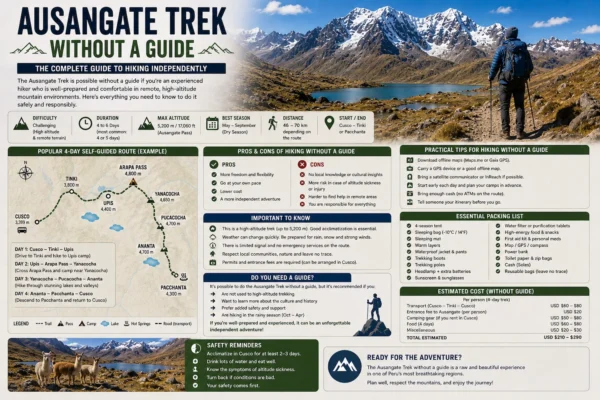
Ausangate Trek Without a Guide
Ausangate Trek Without a Guide Can you do the Ausangate Trek without a guide?…
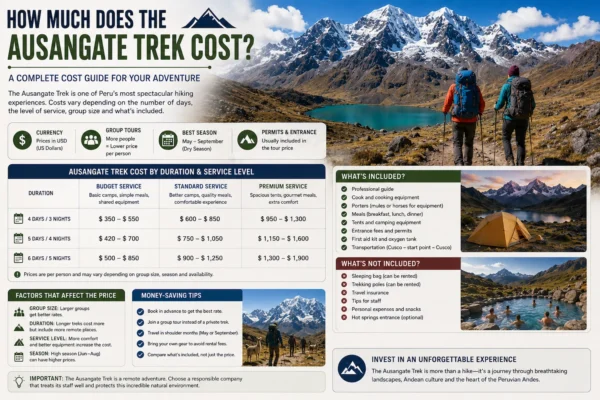
How Much Does the Ausangate Trek Cost?
How Much Does the Ausangate Trek Cost? The Ausangate Trek cost typically ranges from…
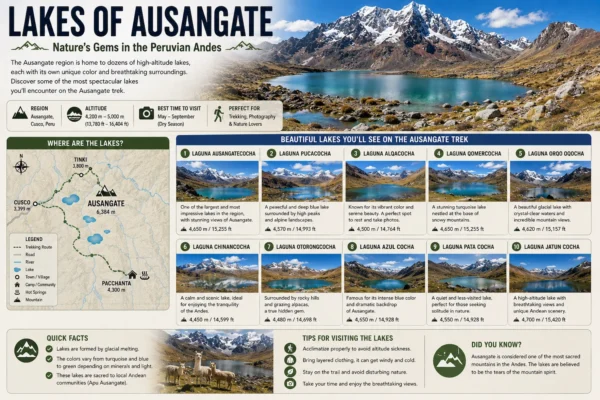
Lakes of Ausangate The Lakes of Ausangate are among the most spectacular natural features…
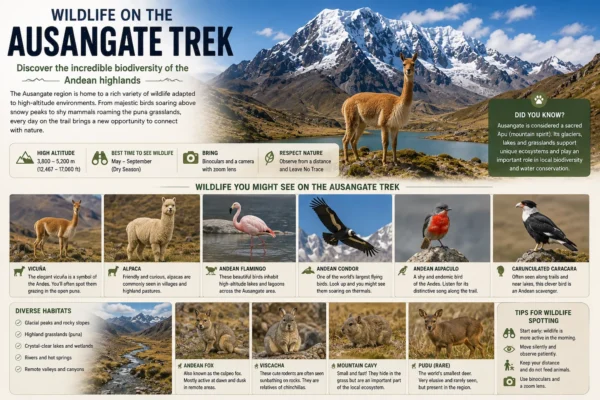
Wildlife on the Ausangate Trek
Wildlife on the Ausangate Trek The wildlife on the Ausangate Trek is adapted to…
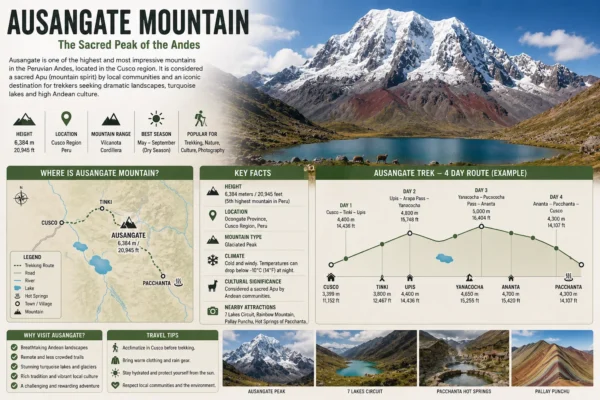
Ausangate Mountain Ausangate Mountain is one of the highest and most important mountains in…
Related Tours