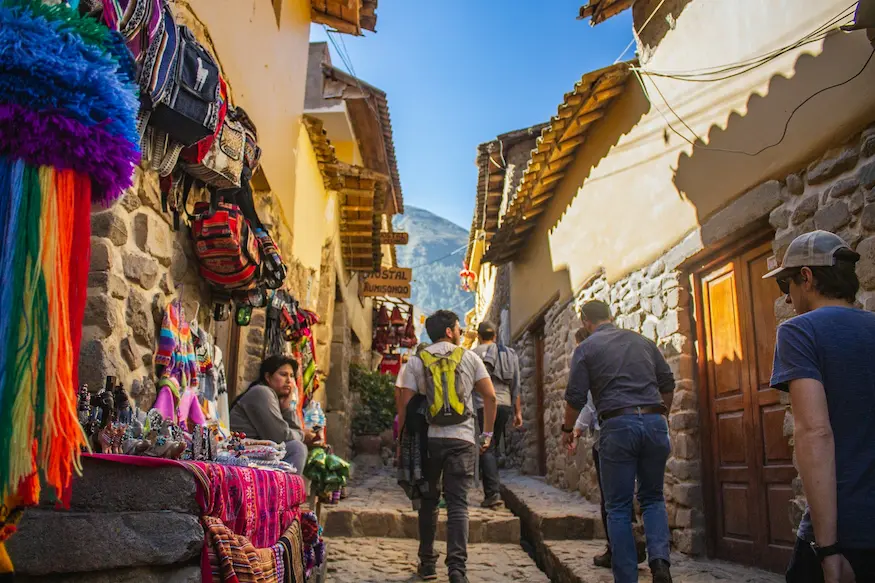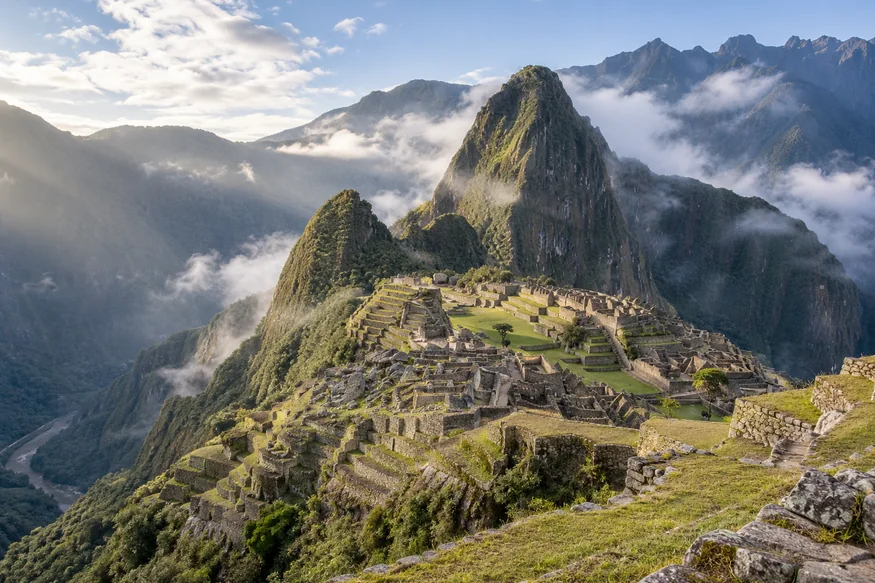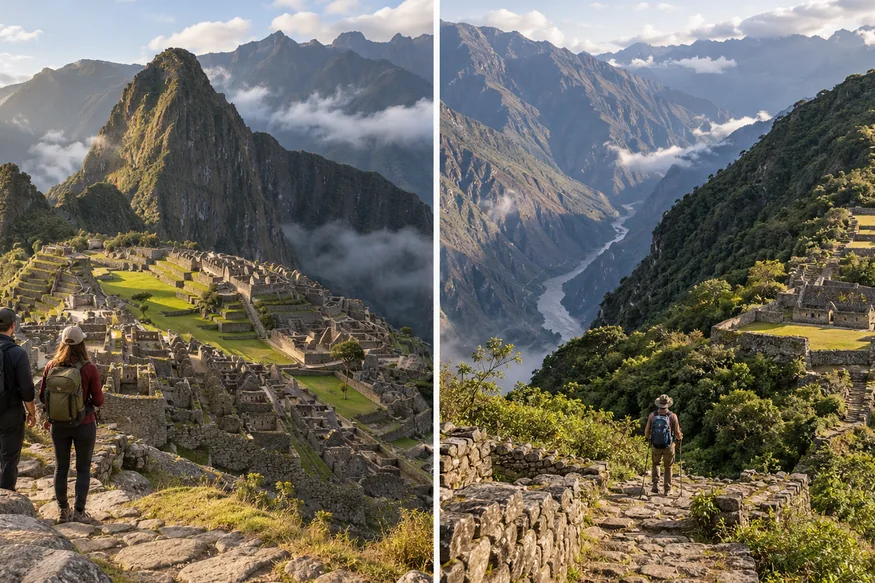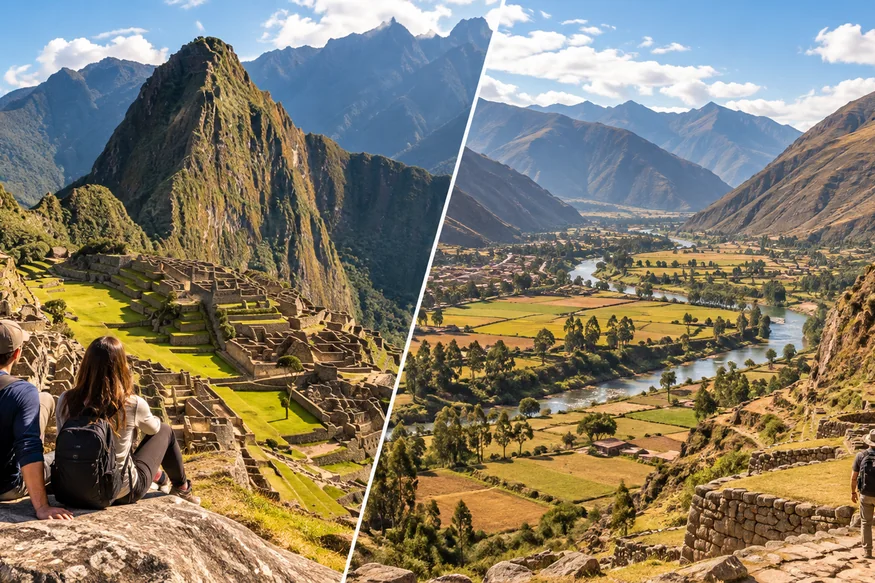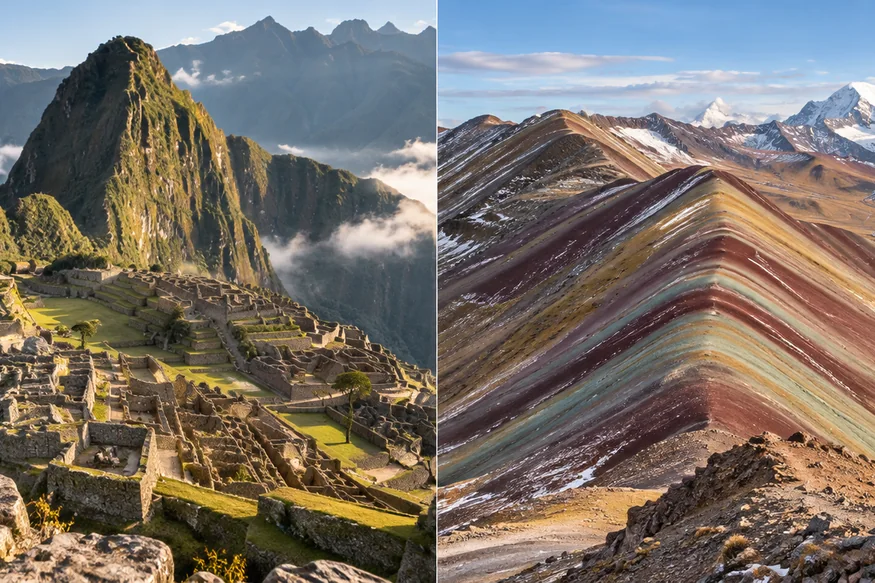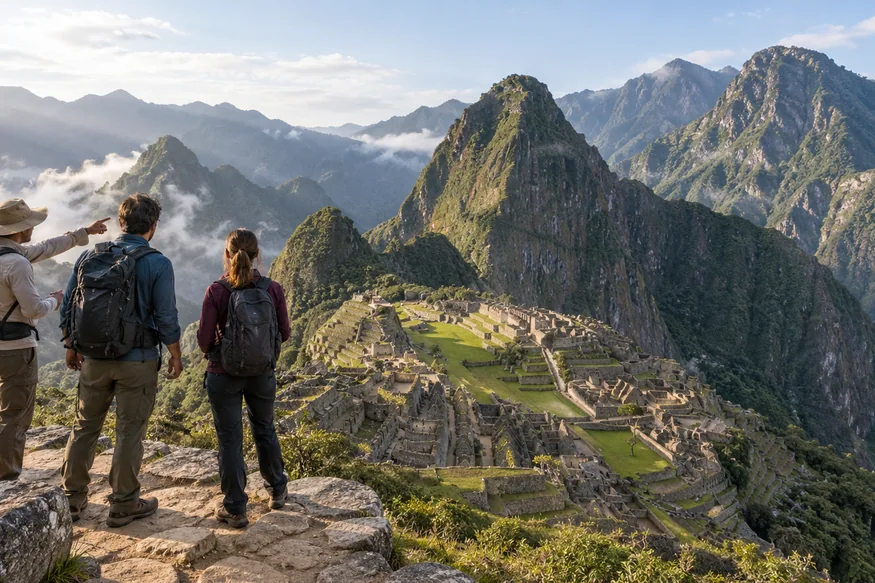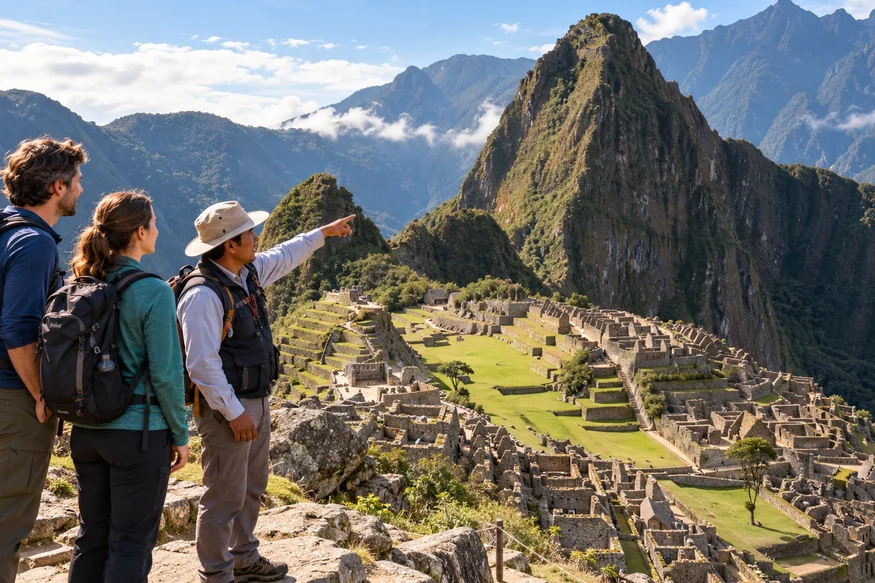
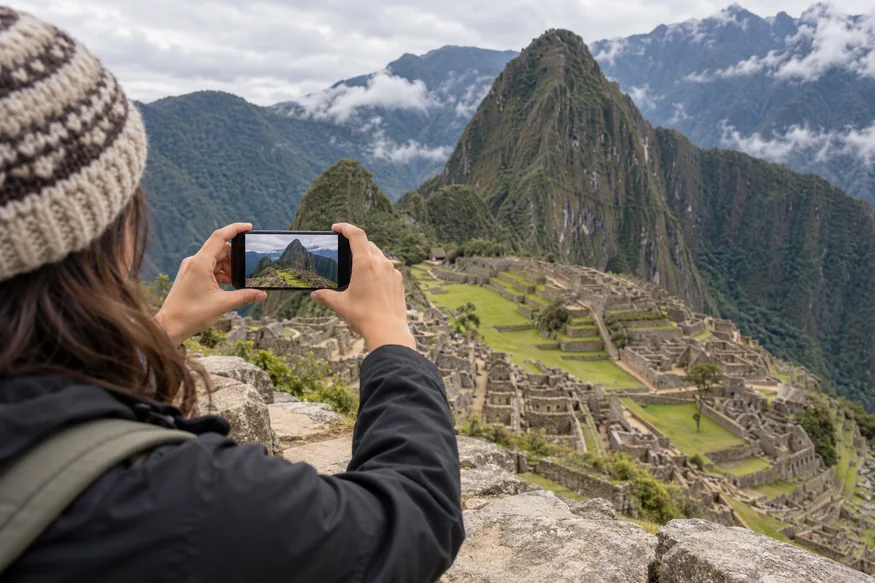

The best Machu Picchu photography does not begin with an expensive camera. It begins with the right ticket, realistic expectations about mountain weather and the ability to react quickly while following a one-way visitor route. You will photograph handheld, share viewpoints with other travelers and work with light that can change from mist to sun within minutes.
These Machu Picchu photography tips will help you plan the route, light, camera settings and compositions that matter most. They apply to phones and dedicated cameras alike, while respecting the sanctuary and the people around you.
Quick answer: reserve a circuit that includes the views you want, carry one light camera setup, expose for the bright clouds, use a shutter speed fast enough for handheld shooting and make several different compositions instead of waiting for an empty postcard view. Mist is not failed weather—it can give Machu Picchu depth, atmosphere and a sense of discovery.
What Makes Machu Picchu Photography Different?
Machu Picchu is a protected archaeological sanctuary rather than an open landscape photography location. Visitors follow the direction of their selected route, cannot freely return to earlier sectors and should not hold up narrow paths. That changes the way you work: preparation matters more than carrying many lenses.
The terrain also creates unusual photographic conditions. Bright cloud can sit above dark stone, mountains can disappear behind moving mist and direct sun can create a wider contrast range than a phone or camera captures comfortably. At the same time, terraces, walls and peaks provide strong lines that make thoughtful compositions possible even without perfect weather.
Your ticket is part of the photographic plan. Peru’s official Machupicchu site currently organizes access into three circuits containing ten routes. Each route reveals a different combination of panoramic terraces, urban sectors and mountain extensions. Read our Machu Picchu circuits guide before buying a ticket rather than assuming every entrance reaches the same viewpoint.
Are Cameras Allowed at Machu Picchu?
Personal photography with a phone or a manageable handheld camera is part of an ordinary visit. However, equipment and behavior are restricted to protect the monument and keep the routes moving.
The official Machu Picchu code of conduct prohibits tripods, monopods, selfie sticks and other photography or filming stabilization accessories. It also restricts large bags: backpacks, bags or purses larger than 40 × 35 × 20 centimeters are not allowed inside. Drone flights are prohibited, and professional or advertising productions require prior authorization from the relevant cultural authority.
- Photograph handheld and leave the tripod or selfie stick at your hotel.
- Use a small bag that stays within the published size limit.
- Never climb, sit on or touch stonework to improve an angle.
- Do not block narrow paths or ask others to leave an authorized area.
- Follow staff and guide instructions if conditions or visitor flow change.
Rules can be updated, so review the official code shortly before travel. Our complete Machu Picchu rules guide explains the wider list of prohibited items.
Which Machu Picchu Circuit Is Best for Photography?
There is no single best circuit for every photographer. The most useful choice depends on whether you value a broad panoramic composition, closer architectural detail or an additional mountain hike.
Circuit 1, the Panoramic Circuit, is designed around elevated perspectives and is the natural starting point for travelers who prioritize a wider view of the citadel and surrounding peaks. Circuit 2, the Classic Machupicchu Circuit, balances familiar perspectives with a more complete passage through archaeological sectors. Circuit 3, the Royalty Circuit, stays lower and emphasizes important urban and ceremonial spaces, with certain routes adding mountain access.
Do not buy a route only because a social-media image was labeled “Machu Picchu.” Find out where it was made and whether that viewpoint belongs to your ticket. Routes and seasonal availability may change, so confirm the current official map before purchasing.
What Is the Best Time of Day for Machu Picchu Photos?
Early entries can bring soft light, quieter tones and atmospheric cloud, but sunrise is never guaranteed. Mountains may remain covered in mist before opening gradually. Later entries can offer stronger illumination and clearer distant ridges, although midday contrast can be severe.
Morning is appealing when you like soft, mysterious images and are comfortable waiting briefly for clouds to shift. Afternoon often suits photographers who want directional light on terraces and a greater chance of the morning cloud lifting. Neither period guarantees visibility, empty viewpoints or a particular sun angle.
Choose the time that works with your route and wider itinerary. Compare our guides to morning vs afternoon at Machu Picchu, Machu Picchu at sunrise and Machu Picchu at sunset before building expectations around golden light.
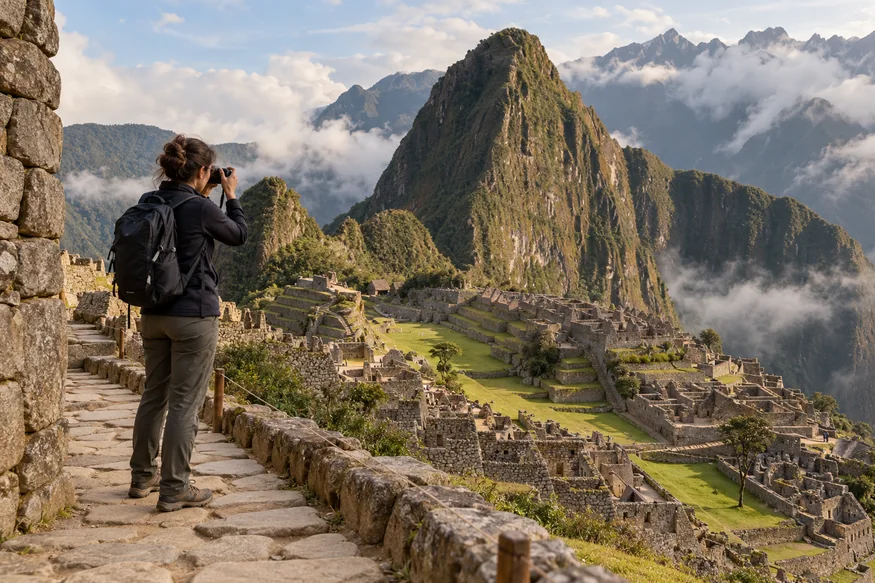
How Should You Photograph Machu Picchu in Mist or Rain?
Mist is one of the site’s strongest visual elements. Instead of waiting only for a completely clear panorama, use moving cloud to separate the terraces from the mountains. Make one frame when the citadel is partly hidden, another as the cloud thins and a final image if the background peak appears. The sequence often tells a richer story than a single clear view.
In light rain, protect the camera with a fitted cover or keep it beneath a permitted rain poncho between photographs. Carry a microfiber cloth for the lens and a separate cloth for wet hands. An umbrella is not a practical substitute and is listed among prohibited items in the official code of conduct.
Watch the front element: tiny droplets reduce contrast and may be invisible on a small screen. Face away from the rain while cleaning, replace the lens cap before walking and avoid changing lenses in exposed conditions. Check our guide to Machu Picchu weather for seasonal context, but prepare for rapid changes on any visit.
What Camera Gear Should You Bring to Machu Picchu?
Bring the smallest kit that can make the images you actually want. For most travelers, that means a phone, a compact camera or one mirrorless/DSLR body with a versatile lens. Heavy equipment becomes tiring on stone stairs and slows you down when the route is moving.
- Phone: ideal for speed, discreet photography and wide scenes.
- Standard zoom: a practical one-lens solution for landscapes, people and details.
- Wide-angle lens: useful for terraces and architecture, but avoid stretching people or mountains at the frame edges.
- Short telephoto: isolates stone patterns, llamas and layers of ridge lines without leaving the path.
- Spare battery: cold, constant screen use and video consume power quickly.
- Lens cloth and rain cover: more valuable than a second heavy lens in changing weather.
Leave drones and stabilization equipment behind. Pack the rest according to the official size limit and the practical advice in our Machu Picchu packing list.
What Camera Settings Work Best at Machu Picchu?
There is no universal setting, but a reliable handheld starting point is aperture-priority mode at approximately f/5.6 to f/8, Auto ISO and a minimum shutter speed around 1/250 second. That range generally provides useful depth of field while reducing blur from hand movement or walking visitors.
Use exposure compensation when bright cloud makes the stone too dark or when sunlight risks clipping the sky. Check the histogram or highlight warning rather than judging exposure only from a screen under bright outdoor light. If your camera supports RAW capture, use it; the extra highlight and shadow information helps with the site’s contrast.
For people walking through a frame, try 1/500 second or faster. For a stationary subject in softer light, image stabilization may allow a slower shutter speed, but take two or three frames to protect against subtle movement. Keep ISO as low as conditions permit without sacrificing a safe handheld speed.
How Do You Take Better Machu Picchu Photos with a Phone?
Clean the lens before entering. A fingerprint creates haze around bright clouds and can make a sharp scene look soft. Turn on the grid, tap the main subject and lower exposure slightly if the sky is losing detail.
Use the phone’s native focal lengths instead of pinching into heavy digital zoom. The standard camera usually preserves the best detail, while the ultra-wide lens is helpful only when the foreground adds something meaningful. Portrait mode can fail around fine stone edges or mist, so compare it with a normal frame.
Hold the phone with both hands, keep elbows close to your body and pause your breathing as you press the shutter. Make a short burst when people are moving through the composition. Video should be recorded in brief, steady clips from designated areas—not while walking on narrow or uneven sections.
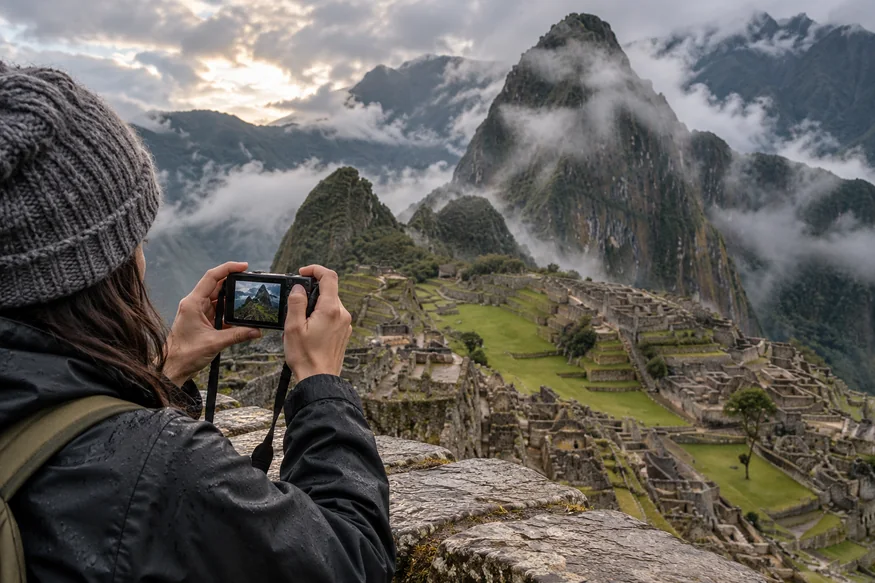
How Do You Compose Better Photos at Machu Picchu?
The famous wide view is only the beginning. Build a set of photographs that explains the place rather than repeating the same panorama.
Use the terraces as leading lines
Terraces naturally direct the eye through the citadel. Place their diagonal or curved edges so they lead toward an architectural feature or mountain rather than out of the frame.
Create depth with three layers
Include stone or vegetation in the foreground, architecture in the middle distance and mountains or cloud behind. Three clear layers make the height and scale of the sanctuary easier to feel.
Photograph details as well as panoramas
Look for fitted masonry, doorways, water channels, shadows and repeated stone patterns from the authorized path. These quieter frames prevent the final gallery from becoming a collection of nearly identical wide shots.
Include people with intention
A person can communicate scale and emotion, but avoid turning every viewpoint into a staged photo session. Ask permission before making someone recognizable, keep poses safe and allow other groups to move through.
Let weather become part of the story
Cloud can simplify a busy background, create silhouettes or reveal mountains in stages. Expose for the highlights and wait for a clean separation between mist, ridge and stone.
How Can You Photograph Machu Picchu with Crowds?
Do not make an empty frame the only definition of success. Timed entry manages visitor flow, but famous areas can still be busy. Use tighter framing, wait for small visual gaps and position people as scale rather than treating them as mistakes.
A patient photographer watches patterns. Groups tend to pause, listen to a guide and then move together. Prepare the composition before the path clears, make the photograph during the transition and continue without holding the route.
If crowd comfort matters, review our analysis of Machu Picchu crowd levels. Quieter does not mean empty, and weather, trains and entry demand can alter the feeling from one day to another.
What Are the Most Common Machu Picchu Photography Mistakes?
- Choosing a ticket without checking the route: the desired viewpoint may not be included.
- Carrying too much gear: extra weight makes stairs harder and lens changes slower.
- Exposing only for the dark stone: this can erase texture in bright cloud.
- Using digital zoom excessively: cropping a clean standard-lens image often looks better.
- Ignoring water on the lens: droplets reduce contrast and cannot always be repaired later.
- Photographing only the postcard view: details, people and changing weather complete the story.
- Blocking the route: no photograph justifies disrupting visitor flow or conservation rules.
How Should You Edit Machu Picchu Photos?
Begin with white balance and exposure, then recover highlights gently and open the stone shadows without flattening them. Add enough contrast to reveal structure, but retain the softness of cloud and the natural darkness of wet rock.
Avoid oversaturating vegetation. Machu Picchu can look intensely green after rain, yet pushing every green and yellow slider makes terraces artificial and separates the citadel from its real cloud-forest setting. Correct lens distortion carefully, especially in ultra-wide images where vertical stonework can lean.
Finally, edit the set as a sequence: one establishing panorama, several medium views, architectural details, human scale and a weather moment. Variety will make the memory of the visit feel more complete than twenty versions of the same frame.
Is a Guided Machu Picchu Tour Better for Photography?
A knowledgeable local guide helps in two ways. First, they explain which sectors and views belong to your route. Second, they give cultural meaning to the details you photograph, so the final images represent more than attractive stonework.
Tell the operator before booking that photography matters to you. A private or carefully paced service can coordinate transport and guiding around your entry time, but it still cannot override the one-way route, stop visitor flow or guarantee weather.
The Machu Picchu Day Trip from Cusco organizes the essential journey for travelers with limited time. You can also compare our full selection of Machu Picchu tours and ask our team which itinerary best matches your preferred circuit and pace.
Plan a Machu Picchu Visit Worth Photographing
Share your travel dates, preferred route and whether you use a phone or dedicated camera. Our local team can help coordinate the right ticket, transport and guided experience so you can focus on the light, landscape and story in front of you.
Frequently Asked Questions About Machu Picchu Photography
Can you take a professional camera into Machu Picchu?
Visitors commonly carry manageable handheld cameras for personal photography. Large professional productions, advertising use and equipment beyond an ordinary visit may require authorization. Confirm current requirements with the cultural authority before traveling.
Are tripods allowed at Machu Picchu?
No. The official code of conduct prohibits tripods, monopods, selfie sticks and similar stabilization or extension accessories.
Can you fly a drone at Machu Picchu?
No. Visitors should not bring or operate drones at the sanctuary. Drone overflight is prohibited and controlled productions require formal authorization.
Is morning or afternoon better for photos?
Morning can provide softer light and dramatic mist, while afternoon can bring clearer ridges and more directional light. Weather is variable, so choose according to your route and itinerary rather than expecting a guaranteed condition.
Is a phone good enough for Machu Picchu?
Yes. A clean lens, careful exposure and deliberate composition matter more than camera price. Phones are especially practical because they are light, quick and easy to use on a controlled route.
What lens is best for Machu Picchu?
A standard zoom is the most versatile single lens. It handles broad landscapes, people and architectural details without requiring frequent changes in mist or rain.
Can I return to a viewpoint for better light?
Do not assume so. The visit follows a defined route and staff may not permit backtracking. Make the photographs you need when you reach each authorized viewpoint.
Visitor routes, equipment restrictions and authorization requirements can change. Check the official Machupicchu website and confirm your ticket details before travel.