
Ausangate Trek in January
The Ausangate Trek in January offers a very different experience from hiking this famous route during Peru’s dry season. January falls in the middle of the rainy season in the Cusco region, bringing greener landscapes, fewer trekkers, cloudy skies, and frequent rainfall.
For experienced hikers who are comfortable with unpredictable mountain weather, January can still offer a memorable journey through the Peruvian Andes. However, wet trails, limited visibility, cold nights, and rapidly changing conditions make preparation especially important.
If you are considering hiking the Ausangate Trek in January, this guide explains the weather, trail conditions, temperatures, advantages, disadvantages, packing essentials, and what you should know before deciding whether January is right for you.
What Is the Ausangate Trek Like in January?
January is part of the wet season in the southern Peruvian Andes.
Unlike the dry months, when the landscape around Ausangate can appear brown and golden, January transforms the valleys into intensely green mountain scenery. Streams carry more water, wetlands become more prominent, and the surrounding slopes are covered with vegetation.
At the same time, the weather becomes considerably less predictable. You may begin the morning under relatively clear skies and encounter clouds, rain, hail, or mist later in the day. At high mountain passes, conditions can change particularly quickly.
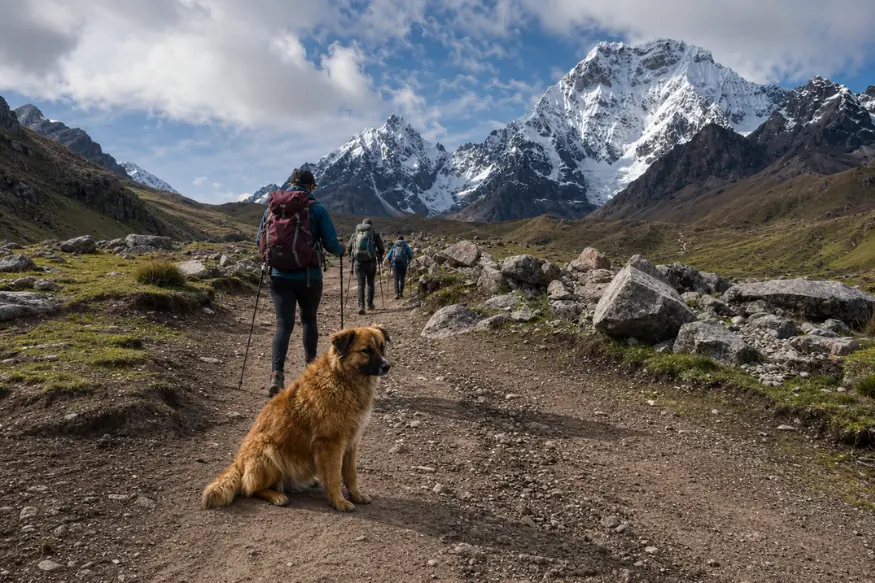
These conditions are especially important to consider when planning a multi-day route such as the Ausangate Trek 5 Days, which takes you through remote valleys, high mountain passes, glacial landscapes, and some of the most impressive scenery surrounding the Ausangate massif.
January, therefore, requires flexibility. It is not necessarily the best month for travelers whose priority is consistently clear mountain views. Instead, it tends to appeal more to experienced trekkers who value solitude, dramatic landscapes, and a more challenging high-altitude environment.
Ausangate Weather in January
Weather is the most important factor to consider when planning the Ausangate Trek in January.
January is one of the wetter months of the year in the Cusco region. Rainfall is common, particularly during the afternoon, although mountain weather does not always follow a predictable schedule.
Typical conditions include:
- Frequent rain showers
- Cloudy or partially cloudy skies
- Muddy sections of trail
- High humidity
- Occasional hail at higher elevations
- Cold nights
- Mist around mountain passes
- Short periods of sunshine between storms
The weather can also vary considerably from one valley to another.
Ausangate is a high-altitude trek, and much of the route lies above 4,000 meters (13,123 feet). At these elevations, weather changes can occur rapidly regardless of the season.
January simply increases the likelihood of wet and unstable conditions.
Ausangate Trek January Temperatures
Temperatures along the Ausangate route vary significantly depending on elevation, time of day, cloud cover, and weather conditions.
During the daytime, temperatures in lower sections of the route may feel relatively mild while hiking. However, temperatures drop quickly at high passes and after sunset.
At camps located above 4,000 meters, nights can be very cold.
A useful general expectation is:
| Conditions | Typical Experience |
|---|---|
| Daytime | Cool to mild while hiking |
| High passes | Cold and windy |
| Rainy periods | Noticeably colder |
| Nighttime | Cold to very cold |
| Early morning | Cold, often cloudy or misty |
Rather than relying only on average temperatures, trekkers should prepare for several weather conditions during the same day.
Layering is essential.
Does It Rain Every Day in January?
Not necessarily.
January is rainy season, but this does not mean continuous rain from morning until night.
Some days may include several hours of relatively good weather followed by afternoon showers. Other days can remain cloudy for long periods, while occasionally a surprisingly clear morning can provide excellent views of Ausangate.
However, travelers should plan as though rain is possible every day.
This approach makes it much easier to manage the trek safely and comfortably.
Waterproof equipment should therefore be considered essential rather than optional.
Trail Conditions in January
The Ausangate trail conditions in January are generally more demanding than during the dry season.
Repeated rainfall can soften the ground and create muddy sections, especially in valleys and areas frequently used by horses and pack animals.
You may encounter:
- Mud
- Slippery rocks
- Wet grass
- Small streams crossing the trail
- Waterlogged sections
- Reduced visibility
- Unstable footing on steep slopes
Good waterproof hiking boots with reliable traction become particularly important.
Trekking poles are also highly recommended because they provide additional stability on muddy descents and uneven terrain.
Progress can sometimes be slower than expected, so itineraries should allow enough flexibility for weather and trail conditions.
How Difficult Is the Ausangate Trek in January?
The Ausangate Trek difficulty is largely defined by its high altitude, long hiking days, and demanding mountain passes. January can make the trek even more challenging because weather conditions add another layer of difficulty.
The physical challenge comes not only from distance and elevation but also from environmental conditions. Trekkers may have to deal with rain, cold temperatures, slippery trails, wet equipment, and reduced visibility while crossing passes above 4,500 meters.
The route also reaches elevations above 5,000 meters on some itineraries. For this reason, January is generally better suited to hikers who already have trekking experience and feel comfortable spending several days in remote mountain environments.
Proper acclimatization before beginning the trek is particularly important. Spending several days in Cusco or another high-altitude destination before departure can help your body gradually adjust to the elevation.
What Does Ausangate Look Like in January?
One of January’s biggest advantages is the landscape.
The rainy season transforms the region.
Mountain valleys become green, wetlands fill with water, alpine vegetation becomes more vibrant, and the contrast between the dark mountains, glaciers, clouds, and grasslands can be spectacular.
Photographers can encounter dramatic scenes that look completely different from the classic dry-season photographs of Ausangate.
However, there is a trade-off.
Clouds may partially or completely cover Ausangate and other surrounding peaks.
Some travelers may have spectacular views. Others may encounter several hours—or occasionally longer periods—when the highest mountains remain hidden.
January scenery can therefore be beautiful but unpredictable.
Are the Mountains Visible in January?
Yes, but visibility cannot be guaranteed.
Clear mornings are possible, and when clouds open, the snow-covered Ausangate massif can look particularly dramatic against the green rainy-season landscape.
Cloud cover usually becomes more common as weather systems develop.
If mountain photography is your main priority, the dry season provides a better probability of clear skies.
If you are comfortable accepting uncertainty, January can produce some extraordinary conditions for photography.
Rainbow Mountain and Ausangate in January
Some Ausangate itineraries include or pass near Rainbow Mountain, also known as Vinicunca.
January conditions can affect the experience there as well.
Rain, clouds, mist, and occasionally hail can reduce visibility. Wet conditions may also make the colors appear different compared with photographs taken under bright sunlight.
On clear moments, however, the combination of green valleys and colorful mineral formations can be impressive.
Trekkers should avoid planning their entire trip around getting a specific photograph because weather conditions in the Andes cannot be controlled.
Advantages of Hiking the Ausangate Trek in January
January does have several advantages.
Fewer Trekkers
The rainy season receives fewer hikers than the popular dry-season months.
This can make the Ausangate route feel even more remote.
You may encounter long sections of trail with very few other trekking groups.
Green Landscapes
January is one of the greenest periods of the year.
Valleys, wetlands, and mountain slopes become much more vibrant after weeks of rainfall.
Dramatic Photography
Clouds are not always bad for photography.
Storm clouds, mist, snow-covered mountains, and sunlight breaking through the clouds can create dramatic landscapes.
More Water in Rivers and Streams
Waterfalls, streams, wetlands, and mountain rivers generally contain more water during the rainy season.
This contributes to the lush appearance of the landscape.
A More Adventurous Experience
January conditions add another level of challenge.
For experienced trekkers, dealing with changing weather can become part of the adventure.
Disadvantages of Hiking Ausangate in January
The disadvantages should also be considered carefully.
Frequent Rain
Rain is the biggest concern.
Even good waterproof clothing can become uncomfortable after several consecutive wet days.
Muddy Trails
Some sections may become slippery and slow.
This can increase both physical effort and hiking time.
Limited Mountain Views
Clouds can hide Ausangate and other major peaks.
There is no guarantee that you will get the classic panoramic views seen in dry-season photographs.
Wet Camping Conditions
Camping becomes more challenging when rain continues overnight.
Tents, clothing, backpacks, and equipment need proper waterproof protection.
Rapid Weather Changes
Conditions at high elevation can change very quickly.
Rain can transition into hail or cold wind as you gain altitude.
Is the Ausangate Trek safe in January?
The Ausangate Trek can be completed in January, but weather conditions require additional preparation and caution.
The route passes through remote high-altitude terrain where immediate assistance may not always be available.
Trekkers should pay particular attention to:
- Weather forecasts
- River and stream conditions
- Trail stability
- Proper acclimatization
- Waterproof equipment
- Warm clothing
- Emergency communication
- Local weather advice
Conditions can vary from year to year.
Heavy rainfall can occasionally affect roads, trails, rivers, or access routes. Checking current local conditions shortly before departure is therefore important.
Independent trekking is possible on Ausangate, but travelers unfamiliar with high-altitude trekking in Peru may benefit from traveling with experienced local guides.
What to Pack for the Ausangate Trek in January
Packing correctly becomes especially important during rainy season.
You should prepare for both cold and wet conditions.
Waterproof Protection
Bring a high-quality waterproof jacket and waterproof pants.
A backpack rain cover is useful, but important belongings should also be protected inside waterproof dry bags.
Waterproof Hiking Boots
Your boots should have good grip and already be broken in before the trek.
Avoid beginning a multi-day trek with brand-new footwear.
Trekking Poles
Poles are especially useful during January because trails can become slippery.
Warm Layers
Bring several layers rather than one extremely heavy garment.
A typical system can include:
- Moisture-wicking base layer
- Fleece or insulating mid-layer
- Warm jacket
- Waterproof outer shell
Extra Socks
Keeping your feet dry is one of the biggest challenges during rainy-season trekking.
Pack additional hiking socks in waterproof bags.
Warm Hat and Gloves
Temperatures can drop rapidly at high elevation.
Sun Protection
Rainy season does not eliminate UV exposure.
At high altitude, sunlight can still be intense whenever clouds disappear.
Bring sunscreen, sunglasses, and a hat.
Waterproof Storage
Electronics, passports, batteries, and important documents should be protected from moisture.
Camping on the Ausangate Trek in January
Camping during January requires reliable equipment.
A good-quality waterproof tent is essential because campsites may experience prolonged rain or wet ground.
A warm sleeping bag is equally important.
Even though January is summer in the Southern Hemisphere, high-altitude temperatures around Ausangate remain cold.
Your sleeping system should be appropriate for mountain conditions rather than Cusco city temperatures.
Keeping clothing separated into waterproof bags is another useful strategy.
Always maintain at least one completely dry set of clothes specifically for sleeping.
Should You Hike Independently in January?
Experienced high-altitude trekkers may be capable of hiking Ausangate independently, but January adds additional variables.
Weather can reduce visibility, trails can become harder to follow, and river crossings may change after heavy rainfall.
Travelers without extensive experience in remote Andean environments should seriously consider hiking with a knowledgeable local guide or organized trekking team.
Local guides can also provide updated information about trail conditions and weather patterns that may not appear on general online forecasts.
Acclimatization Before the Trek
Altitude remains one of the most important challenges regardless of the month.
Many sections of the Ausangate Trek remain above 4,000 meters, with high passes reaching approximately 5,000 meters or more depending on the itinerary.
Arriving in Cusco and immediately beginning Ausangate is not recommended.
Spend several days acclimatizing before starting.
During this period, you can explore Cusco, the Sacred Valley, or complete shorter hikes at progressively higher elevations.
The goal is to give your body time to adjust before sleeping and hiking at extreme altitude.
January vs Dry Season on the Ausangate Trek
The experience changes dramatically between seasons.
| January | Dry Season |
| Frequent rainfall | Much lower rainfall |
| Green landscapes | Drier landscapes |
| Fewer trekkers | More trekkers |
| More mud | Drier trails |
| Frequent clouds | Greater chance of clear skies |
| Unpredictable views | More reliable mountain views |
| More challenging conditions | Generally easier trail conditions |
Neither season creates exactly the same experience.
The best choice depends on your priorities.
Ausangate Trek Month-by-Month Comparison
Weather conditions on the Ausangate Trek change considerably throughout the year. If your travel dates are flexible, comparing each month can help you choose the right balance between rainfall, trail conditions, temperatures, and mountain visibility.
| Month | Weather | Rainfall | Trail Conditions | Overall |
|---|---|---|---|---|
| Ausangate Trek in January | Wet and cloudy | High | Muddy and slippery | Challenging |
| Ausangate Trek in February | Very wet | Very high | Very muddy | Least favorable |
| Ausangate Trek in March | Rainy | High | Wet but improving | Challenging |
| Ausangate Trek in April | Transitional | Moderate | Improving | Good |
| Ausangate Trek in May | Mostly dry | Low | Good | Excellent |
| Ausangate Trek in June | Dry and clear | Very low | Excellent | Excellent |
| Ausangate Trek in July | Dry and cold | Very low | Excellent | Excellent |
| Ausangate Trek in August | Dry and clear | Very low | Excellent | Excellent |
| Ausangate Trek in September | Mostly dry | Low | Good | Very good |
| Ausangate Trek in October | Transitional | Moderate | Generally good | Good |
| Ausangate Trek in November | Increasing rain | Moderate to high | Occasionally muddy | Fair |
| Ausangate Trek in December | Rainy | High | Wet and muddy | Challenging |
Each month offers a different experience in the Peruvian Andes. The rainy season brings greener landscapes and fewer trekkers, while the dry season generally provides clearer skies and more stable trail conditions. Explore each monthly guide above for detailed information about weather, temperatures, trail conditions, packing recommendations, and what to expect.
Is January a Good Time to Hike the Ausangate Trek?
For most first-time visitors, January is not the ideal month for the Ausangate Trek.
Travelers usually have better trekking conditions during the drier months when trails are more stable and mountain visibility is generally better.
However, that does not mean January should automatically be avoided.
January can be worthwhile if you:
- Have previous trekking experience
- Are properly acclimatized
- Have good waterproof equipment
- Do not mind hiking in the rain
- Prefer quieter trails
- Want green landscapes
- Have flexibility in your itinerary
You may want to choose another month if you:
- Want the highest probability of clear mountain views
- Dislike hiking in rain
- Have limited trekking experience
- Want easier trail conditions
- Are primarily visiting Ausangate for photography
Can the Ausangate Trek Be Cancelled Because of Rain?
Normal rainfall does not necessarily mean a trek will be cancelled.
However, unusually severe weather can affect trail conditions, transportation, river crossings, or access roads.
Safety should always take priority over completing a predetermined itinerary.
Travelers should remain flexible and follow local advice if severe weather develops.
Are There Fewer Tourists in January?
Generally, yes.
The main trekking season around Cusco coincides with the drier months, so January tends to be considerably quieter.
Ausangate is already less crowded than some of Peru’s most famous trekking routes, and rainy-season conditions can reduce visitor numbers even further.
For travelers seeking solitude, this is one of January’s strongest advantages.
Can You See Wildlife in January?
The Ausangate region is home to llamas, alpacas, vizcachas, Andean birds, and other high-altitude wildlife.
Large herds of alpacas and llamas are a characteristic part of the landscape throughout the year.
Rainy-season vegetation can make valleys particularly colorful, although wildlife sightings always depend on location, weather, and chance.
Is January Better Than February for Ausangate?
Both January and February fall within the rainy season.
February is typically associated with very wet conditions in the Cusco region, so neither month is usually considered optimal for travelers seeking stable trekking weather.
If your schedule is flexible, moving your trip closer to the transition toward the dry season can improve your chances of more favorable conditions.
However, weather varies from year to year, and exact conditions cannot be predicted months in advance.
Best Time to Hike the Ausangate Trek
For travelers prioritizing stable weather, clearer skies, and drier trails, the dry season is generally the best time to hike Ausangate.
The core dry-season months usually offer the most favorable trekking conditions.
Shoulder-season months can also provide an attractive balance between greener landscapes, fewer visitors, and improving weather.
January belongs firmly to the wetter part of the year.
It should therefore be viewed as an alternative season for adventurous hikers rather than the default recommendation for first-time trekkers.
Frequently Asked Questions About Ausangate Trek in January
Can you hike the Ausangate Trek in January?
Yes. The Ausangate Trek can be hiked in January, but travelers should expect rainy-season conditions, including wet trails, clouds, mud, cold temperatures, and unpredictable weather.
Does it snow on Ausangate in January?
Snow or hail can occur at high elevations even during the Southern Hemisphere summer. Weather around the highest passes can change rapidly.
Is Ausangate crowded in January?
Generally no. January receives fewer trekkers than the main dry-season months, making it attractive for travelers looking for a quieter experience.
Is Rainbow Mountain open in January?
Rainbow Mountain is normally visited throughout the year, but weather can affect road access, trail conditions, and visibility. Current local conditions should always be checked before traveling.
Do I need waterproof boots?
Waterproof hiking boots are strongly recommended. Mud, rain, wet grass, and stream crossings can make regular footwear uncomfortable.
Is January good for photography?
January can produce spectacular green landscapes and dramatic clouds, but visibility of Ausangate is less predictable than during the dry season.
Is January recommended for beginners?
Generally, January would not be the first choice for inexperienced trekkers. The combination of altitude, rain, cold, and muddy trails makes the route more demanding.
Should You Trek Ausangate in January?
The Ausangate Trek in January is challenging, wet, unpredictable, and potentially spectacular.
It is not the classic version of Ausangate shown in photographs taken during Peru’s dry season.
Instead, January offers green valleys, dramatic clouds, powerful mountain scenery, fewer trekkers, and a stronger sense of isolation.
The trade-off is significant: rain is common, trails can become muddy, mountain views may disappear behind clouds, and camping requires better preparation.
For travelers seeking the most reliable weather, January is not the best month to hike Ausangate.
For experienced hikers who understand the conditions and are willing to accept uncertainty, however, trekking Ausangate during the rainy season can provide a completely different perspective of one of Peru’s most impressive mountain regions.
Related Articles
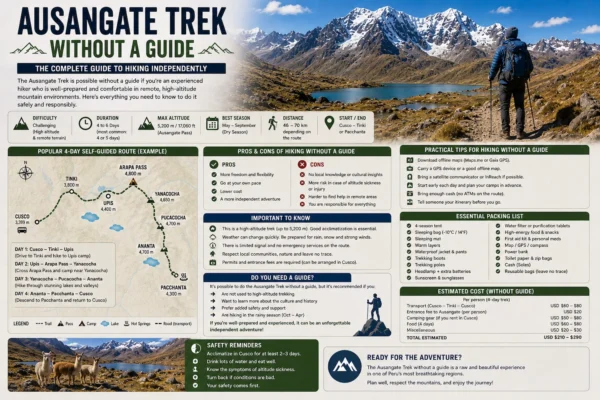
Ausangate Trek Without a Guide
Ausangate Trek Without a Guide Can you do the Ausangate Trek without a guide?…
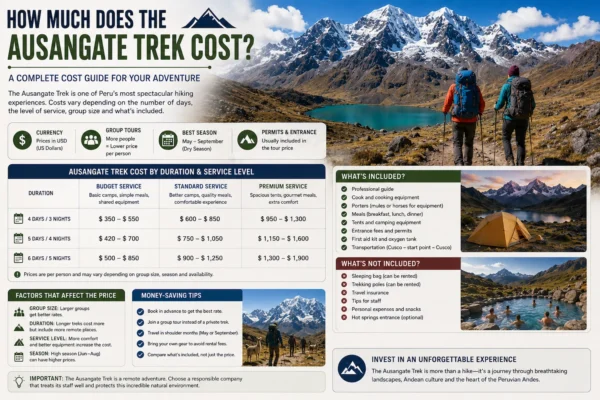
How Much Does the Ausangate Trek Cost?
How Much Does the Ausangate Trek Cost? The Ausangate Trek cost typically ranges from…
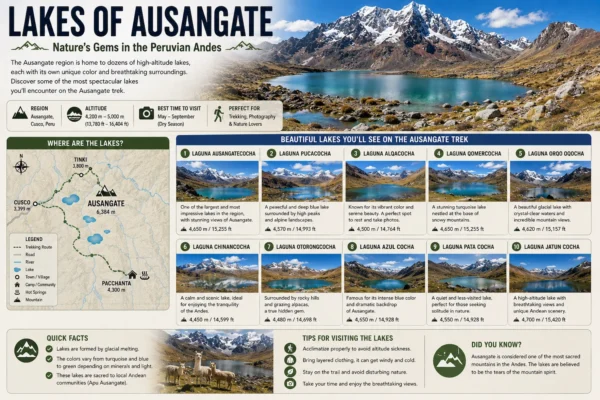
Lakes of Ausangate The Lakes of Ausangate are among the most spectacular natural features…
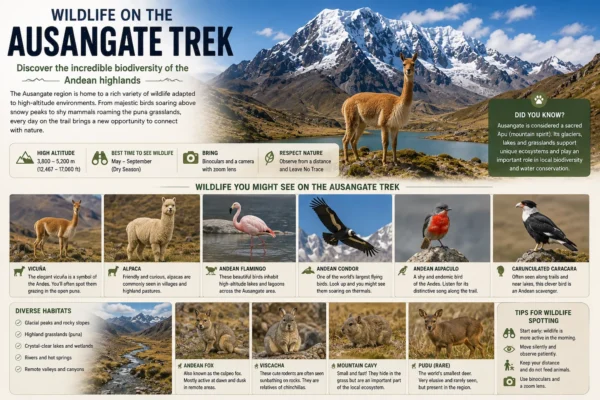
Wildlife on the Ausangate Trek
Wildlife on the Ausangate Trek The wildlife on the Ausangate Trek is adapted to…
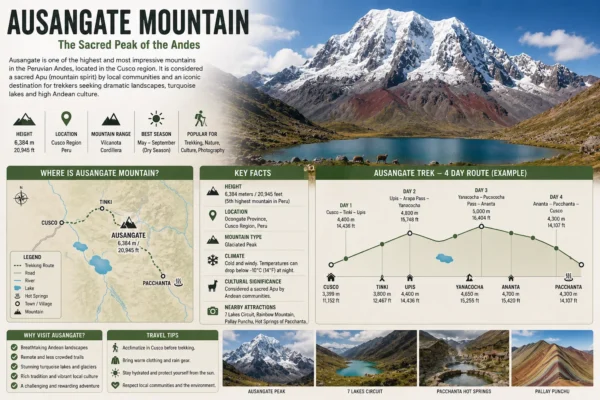
Ausangate Mountain Ausangate Mountain is one of the highest and most important mountains in…
Related Tours