
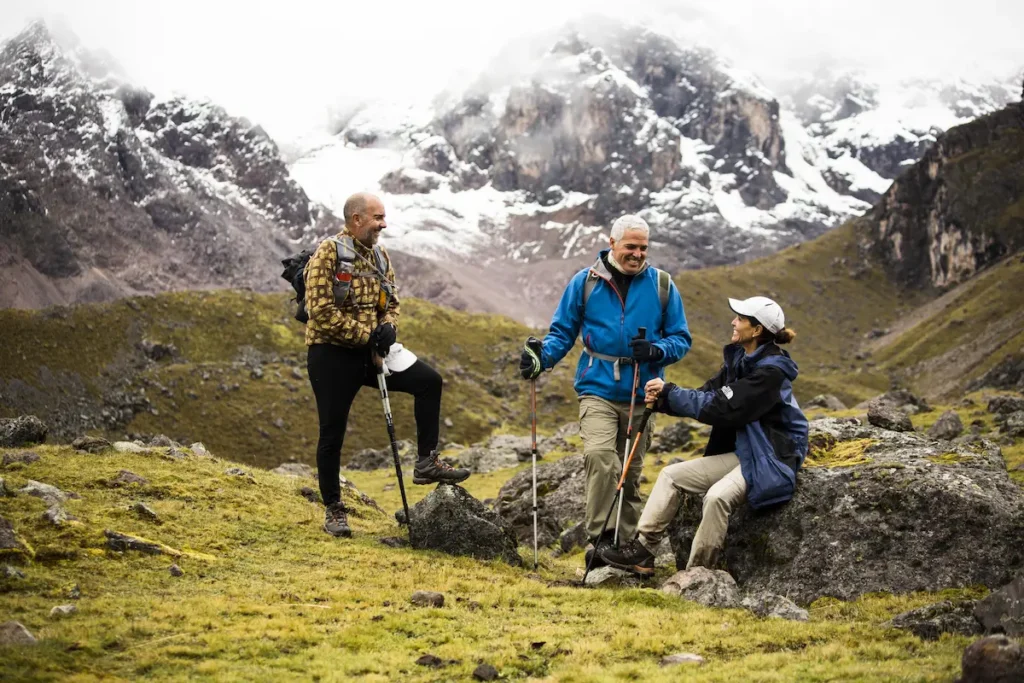
Ausangate Trek in December
Hiking the Ausangate Trek in December is possible, but it comes with more unpredictable weather than during the dry season. December marks the beginning of the wetter part of the year in the Peruvian Andes, bringing greener landscapes, fewer hikers, frequent clouds, and a higher chance of rain.
For experienced hikers who are properly acclimatized and prepared for wet conditions, December can still be an option. However, travelers looking for clear mountain views and more stable trail conditions will generally be better off hiking during the dry season.
Is December a Good Time to Hike the Ausangate Trek?
December is not one of the best months for the Ausangate Trek, but that does not mean the route is automatically off-limits.
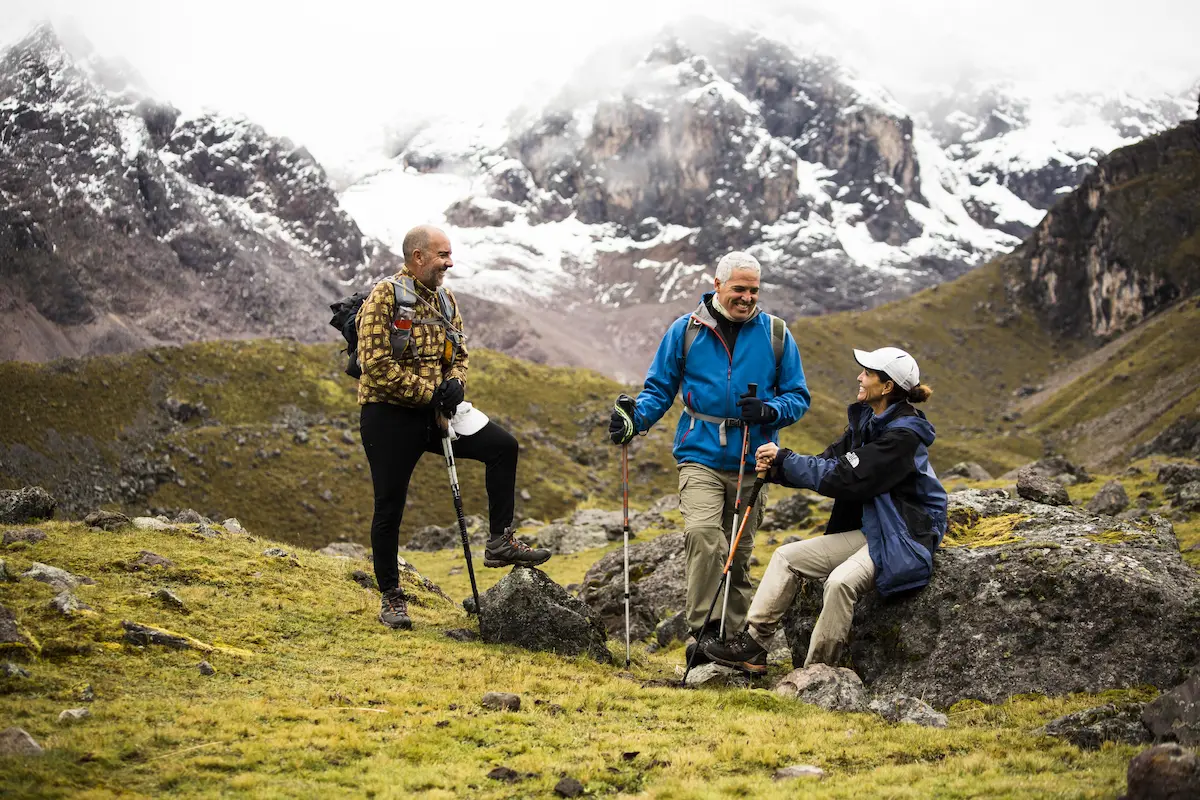
The main difference is weather reliability. During the dry months, hikers can generally expect more stable conditions. In December, weather can change quickly, and rain, fog, hail, or even snow can occur at higher elevations.
December at a glance:
| Factor | December Conditions |
|---|---|
| Season | Rainy season |
| Rain | Frequent |
| Daytime temperatures | Around 5–16°C |
| Nights | Around 0°C or below at high camps |
| Trail conditions | Wet, muddy and sometimes slippery |
| Crowds | Low |
| Mountain visibility | Variable |
| Landscape | Very green |
| Difficulty | Higher than in dry season |
| Recommended? | Possible, but not ideal |
Ausangate Weather in December
December falls within the rainy season in the Cusco region, generally running from November through March.
Rain does not necessarily mean continuous rainfall all day. You can experience sunshine in the morning followed by clouds, rain, hail, or a storm later in the day.
At elevations above 4,500 meters, conditions can change particularly fast.
December typically brings:
-
Frequent rain showers
-
Cloudy periods
-
Occasional thunderstorms
-
Hail or snow around the highest passes
-
Wet and muddy trails
-
Reduced mountain visibility
-
Greener valleys and grasslands
Because Ausangate is a high-altitude environment, hikers should prepare for several types of weather during the same day.
Ausangate Temperatures in December
Daytime temperatures along the route can reach approximately 5°C to 16°C (41°F–61°F) depending on elevation, cloud cover, and sunlight.
Temperatures fall considerably after sunset.
Around the highest camps and mountain passes, temperatures can approach or fall below 0°C (32°F), especially during periods of snow, hail, or strong wind.
These numbers should only be considered general planning ranges. Mountain weather around Ausangate can change rapidly.
If altitude is one of your main concerns, read our Ausangate Trek Altitude guide before choosing your departure date.
Does It Rain All Day in December?
Not necessarily.
Rainfall in the Andes often comes in periods rather than lasting continuously throughout the entire day. You may have several hours of good weather followed by rain later.
However, December is unpredictable.
A clear morning does not guarantee a dry afternoon, and several consecutive wet days are possible.
This uncertainty is one of the biggest disadvantages of hiking Ausangate during December.
Is the Ausangate Trek Safe in December?
The Ausangate Trek can be done safely in December when conditions are suitable, but the weather adds risks that are less common during the dry season.
Rain can create:
-
Slippery trails
-
Deep mud
-
Difficult stream crossings
-
Reduced visibility
-
Snow or ice at high passes
-
Increased risk of delays
-
Changes to the planned itinerary
Conditions should therefore be evaluated before and during the trek.
For first-time high-altitude hikers, May through September generally provides a more predictable experience.
Remember that weather is only part of the challenge. Ausangate reaches passes above 5,000 meters, so altitude remains one of the most important considerations regardless of the month.
See our complete Ausangate Trek Difficulty guide for a closer look at altitude, daily hiking distances and terrain.
Advantages of Hiking Ausangate in December
December does have some interesting advantages.
Fewer Hikers
December is part of the low trekking season, so the trail is generally much quieter than during June, July, and August.
For travelers looking for solitude, this can make the experience particularly rewarding.
Greener Landscapes
Rain transforms the valleys and high-Andean grasslands.
The scenery is typically much greener than during the middle or end of the dry season.
A More Remote Experience
Ausangate already receives considerably fewer visitors than many famous trekking routes around Cusco. During December, some sections can feel especially isolated.
Disadvantages of Hiking in December
The biggest disadvantage is uncertainty.
You should be prepared for:
-
Rain
-
Mud
-
Wet equipment
-
Cloud-covered mountains
-
Limited visibility
-
Sudden weather changes
-
Possible itinerary modifications
Photographers hoping for consistently clear views of Ausangate and the surrounding glaciers may prefer the dry season.
December: High Season or Low Season?
December is generally low season for trekking around Ausangate because it falls within the rainy period.
The busiest trekking period is roughly May through September, when rainfall is lower and clear mountain views are more common.
June, July, and August usually attract more hikers, while December offers significantly quieter trails.
There can still be increased tourism around Cusco during the Christmas and New Year holiday period, but this does not make December peak trekking season for Ausangate.
Ausangate Trek: December vs Dry Season
| December | May–September |
|---|---|
| Rainy season | Dry season |
| Frequent rain | Little rain |
| Green landscapes | Drier landscapes |
| Fewer hikers | More hikers |
| More clouds | Clearer skies |
| Muddy trails possible | Generally drier trails |
| Warmer/milder nights in general | Colder nights |
| Less predictable | More predictable |
If your travel dates are flexible, read our Best Time to Hike the Ausangate Trail guide before deciding.
What Should You Pack for Ausangate in December?
Waterproof equipment becomes especially important in December.
Bring:
-
Waterproof hiking jacket
-
Rain pants
-
Poncho
-
Waterproof or water-resistant hiking boots
-
Backpack rain cover
-
Warm base layers
-
Fleece or insulated jacket
-
Warm hat and gloves
-
Extra hiking socks
-
Dry bags for clothing and electronics
-
Sunscreen
-
Sunglasses
-
Sleeping bag suitable for sub-zero temperatures
Even during the rainy season, UV exposure at high altitude is intense.
For the complete equipment breakdown, see our Ausangate Trek Packing List.
Should Beginners Hike Ausangate in December?
December would not be our first recommendation for a beginner.
The Ausangate Trek is already demanding because of its altitude, remote terrain, long hiking days, and passes above 5,000 meters. Rain and muddy conditions add another level of difficulty.
If you have limited high-altitude trekking experience and can choose your dates, consider traveling between May and September instead.
Experienced trekkers who understand mountain weather and are comfortable hiking in wet conditions may find December manageable with appropriate preparation.
Do You Need a Guide in December?
The Ausangate Trek can be traveled independently, but December is not the ideal month to attempt it alone if you are unfamiliar with the region.
Weather can affect trails, river crossings, visibility, campsites, and daily hiking plans.
Traveling with an experienced local guide becomes particularly useful during the rainy season because decisions can be adjusted according to actual conditions on the mountain.
Travelers looking for an organized option can also see our Ausangate Trek 5 Days, which covers the main landscapes of the Ausangate circuit.
Ausangate Trek Month-by-Month
If December does not fit your travel style, compare it with the rest of the year:
| Month | Weather | Crowds | Overall |
|---|---|---|---|
| Ausangate Trek in January | Very wet | Very low | Difficult |
| Ausangate Trek in February | Very wet | Very low | Least recommended |
| Ausangate Trek in March | Wet | Low | Challenging |
| Ausangate Trek in April | Transition | Low | Good |
| Ausangate Trek in May | Dry | Moderate | Excellent |
| Ausangate Trek in June | Dry & cold | High | Excellent |
| Ausangate Trek in July | Dry & very cold | High | Excellent |
| Ausangate Trek in August | Dry & windy | High | Excellent |
| Ausangate Trek in September | Mostly dry | Moderate | Very good |
| Ausangate Trek in October | Transition | Low–moderate | Good |
| Ausangate Trek in November | Increasing rain | Low | Possible |
| Ausangate Trek in December | Wet | Low | Possible with caution |
Each month can eventually link to its own article, while the broader comparison can point readers toward your Best Time to Hike the Ausangate Trail guide.
Can You See Rainbow Mountain in December?
Yes, but visibility is less predictable.
Clouds, rain, fog, and occasional snow can partially obscure the landscape. On a clear December morning, visibility can still be excellent.
If Rainbow Mountain is an important part of your itinerary, keeping some flexibility in your schedule is useful.
Is Ausangate Green in December?
Yes. This is actually one of the main visual advantages of visiting during the rainy season.
Rain brings greener valleys, wetlands, and high-Andean grasslands compared with the much drier landscapes seen later in the year.
The trade-off is that greener scenery comes with wetter trails and less reliable mountain visibility.
How Many Days Should You Acclimatize Before the Trek?
Spend at least 2–3 days at altitude before beginning the Ausangate Trek, and potentially longer if you have never traveled above 4,000 meters.
Ausangate is not a good place to discover how your body reacts to extreme altitude.
The route remains above 4,000 meters for extended periods and crosses passes above 5,000 meters.
So, Should You Hike the Ausangate Trek in December?
Yes, it is possible—but December is not the ideal month for everyone.
Choose December if you:
-
Prefer fewer hikers
-
Don’t mind rain
-
Have good waterproof equipment
-
Have previous trekking experience
-
Can accept cloudy days and itinerary changes
Consider another month if you:
-
Want the clearest possible mountain views
-
Are a beginner
-
Prefer dry trails
-
Have limited flexibility
-
Want more predictable trekking conditions
For most travelers, May through September remains the best period for the Ausangate Trek.
December is better suited to travelers who understand the trade-off: fewer people and greener landscapes in exchange for rain, mud, clouds, and less predictable mountain conditions.
FAQs About Ausangate Trek in December
Can you hike the Ausangate Trek in December?
Yes. The trek can be completed in December when weather and trail conditions permit, although it is considerably wetter and less predictable than during the dry season.
Is December rainy in Ausangate?
Yes. December falls within the rainy season, and hikers should expect regular rainfall as well as possible hail or snow at higher elevations.
Is Ausangate crowded in December?
Generally, no. December is part of the low trekking season, so there are usually fewer hikers than between May and September.
Is December colder than July in Ausangate?
Usually not at night. July falls in the dry Andean winter and can produce extremely cold nights. December tends to be wetter and cloudier, although freezing temperatures are still possible at high camps.
What is the best month for the Ausangate Trek?
There is no single perfect month, but May through September generally provides the most reliable trekking conditions. May and September can be particularly attractive for travelers seeking good weather without the highest dry-season crowds.
Can the Ausangate Trek be canceled because of rain?
Heavy rain, snow, flooding, unsafe river crossings, or other severe weather conditions can require route changes, delays, or cancellations. Safety should take priority over completing the planned itinerary.
Related Articles
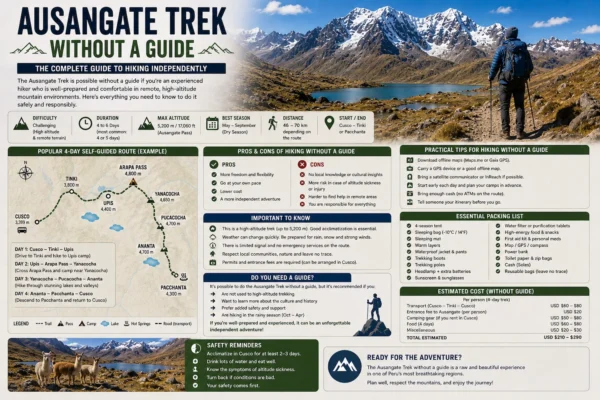
Ausangate Trek Without a Guide
Ausangate Trek Without a Guide Can you do the Ausangate Trek without a guide?…
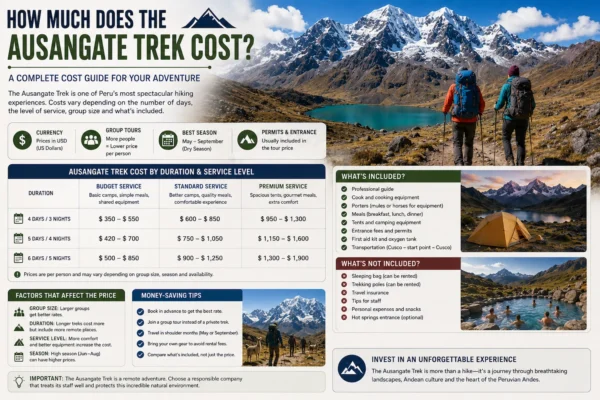
How Much Does the Ausangate Trek Cost?
How Much Does the Ausangate Trek Cost? The Ausangate Trek cost typically ranges from…
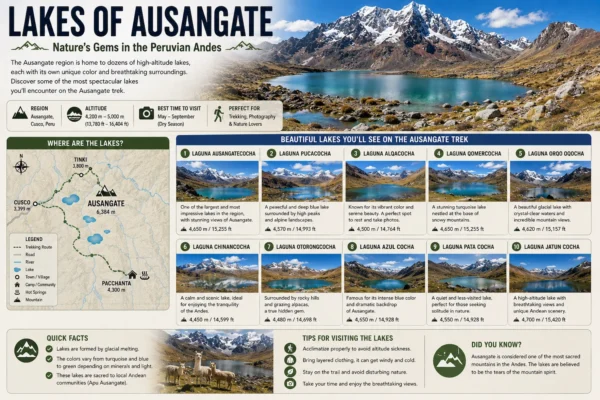
Lakes of Ausangate The Lakes of Ausangate are among the most spectacular natural features…
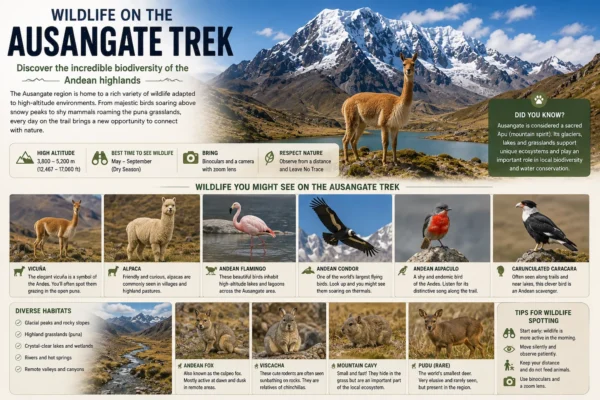
Wildlife on the Ausangate Trek
Wildlife on the Ausangate Trek The wildlife on the Ausangate Trek is adapted to…
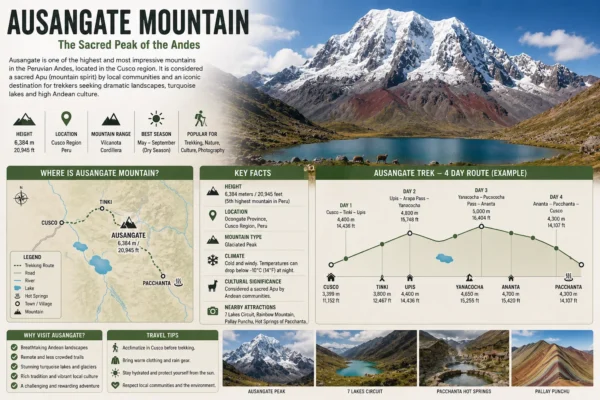
Ausangate Mountain Ausangate Mountain is one of the highest and most important mountains in…
Related Tours