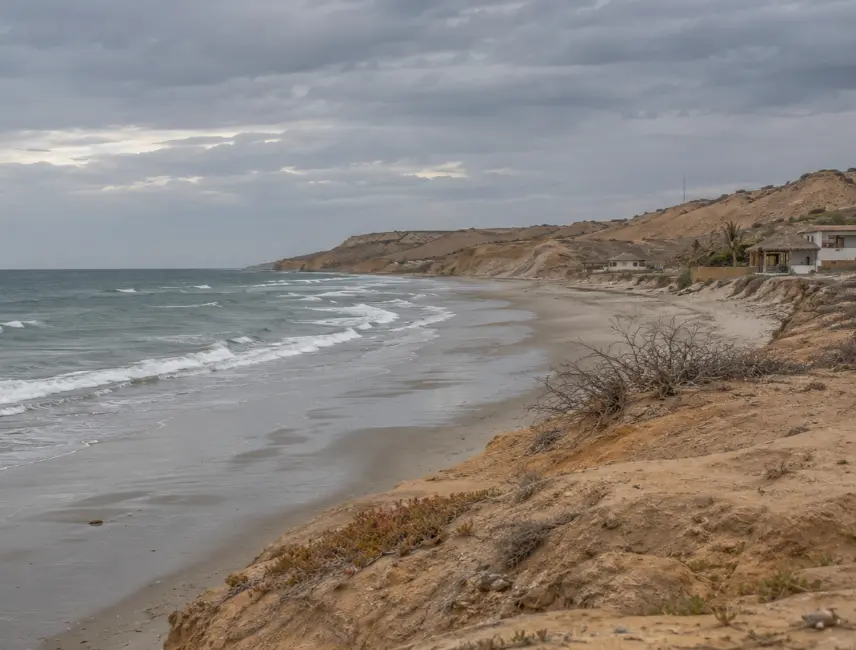

El Niño is raising the risk of travel disruptions in northern Peru, where above-normal rainfall is forecast through January 2027. Flooding can affect road access to beach destinations, and local marine advisories can disrupt boat trips. Peru’s civil defense agency has already documented flooded roads in parts of Piura. Travelers planning a visit to Máncora, Vichayito or Punta Sal should check the conditions along their full route, including the transfer from the airport or bus terminal to their accommodation. ENFEN forecast · INDECI report on flooding in Piura
What is El Niño, and why does it affect Peru?
El Niño is the warm phase of the El Niño–Southern Oscillation, or ENSO, a recurring climate pattern in the tropical Pacific. During a typical event, weaker trade winds allow warmer surface water to spread eastward. This shifts where clouds and thunderstorms form and changes rainfall and temperatures well beyond the Pacific. El Niño occurs roughly every two to seven years, and its effects vary by region and season. NOAA’s guide to El Niño
Peru’s climate monitoring commission, ENFEN, tracks coastal El Niño, or El Niño Costero, using ocean temperatures in the eastern equatorial Pacific near Peru and Ecuador. It also tracks the broader event in the central equatorial Pacific. The two can develop on different timelines. For a trip to Peru, the coastal outlook and local weather alerts provide more specific information about the conditions travelers may encounter. ENFEN technical report
What is happening in Peru right now?
In its November 13 bulletin, ENFEN projected that coastal El Niño could remain at extraordinary intensity through February 2027, then weaken progressively through July. It forecast above-normal rainfall from November through January along the northern and central coast and in parts of the western Andes, with a greater likelihood of moderate to heavy rainfall episodes on the northern coast. It also projected above-normal flows in several northern rivers, particularly the Tumbes and Piura. The intensity category describes ocean warming. Conditions on any travel date depend on local weather and river levels. ENFEN bulletin No. 20-2026
One recent example shows why local reports matter. On November 24, INDECI confirmed that heavy rain had flooded roads in Marcavelica, in Piura’s Sullana province, on November 22. That report describes a specific incident. The current status of a highway, beach or excursion depends on the latest update for that location. INDECI incident report · Sutran road alerts
How does El Niño affect tourism?
| Area | What travelers and tourism businesses may experience |
|---|---|
| Roads and transfers | Flooding, landslides and debris flows can close roads or lengthen transfers. A flight can operate as scheduled while the onward road journey is disrupted. |
| Beaches and water activities | Marine advisories can lead to temporary restrictions on swimming, surfing or boat departures. Heavy rain can also disrupt outdoor excursions and access to beaches. |
| Nature and heritage sites | Flooded paths, unstable slopes or damage to access roads can lead to temporary closures. Conditions can differ between nearby attractions. |
| Hotels, restaurants and tour operators | Cancellations and rebookings can reduce occupancy and visitor spending. Businesses may also face higher costs for repairs, alternate transport and schedule changes. |
Sources for the local hazards and tourism impacts include ENFEN’s November outlook, Sutran’s road monitoring service and the Universidad del Pacífico tourism analysis.
What previous events tell us about tourism losses
The Universidad del Pacífico’s research center reports that during the most critical months of the 2017 coastal El Niño, tourist arrivals fell by around 50% in Piura and by up to 80% in Tumbes. Piura’s overnight stays ended the year about 17% below 2016 levels. In January–April 2023, a period that included Cyclone Yaku and coastal El Niño, arrivals at accommodation establishments in Tumbes, Piura, Lambayeque and La Libertad fell 18.8% year over year, while arrivals in the rest of Peru rose 1.5%. Other factors, including a dengue outbreak, also affected the north in 2023. These figures describe past events. A comparable estimate of tourism losses attributable to the 2026–2027 event was unavailable in the sources reviewed. Universidad del Pacífico analysis based on tourism data
How El Niño affects tourism outside Peru
The effects depend on the destination. El Niño can increase the likelihood of heavy rain along parts of western South America while favoring drier conditions in parts of Australia and Indonesia. It can also put marine attractions under stress. In Ecuador’s Galápagos Islands, researchers documented coral bleaching during the 1997–1998 El Niño, illustrating how unusually warm seas can affect ecosystems that support diving and snorkeling tourism. U.S. National Weather Service overview · Galápagos coral field study
Should you change your Peru travel plans because of El Niño?
Base your decision on your destination, travel dates and route. If you’re heading to northern Peru, check the national road map before departure and ask your hotel or transfer company about the final stretch, especially after heavy rain. For beach activities and boat tours, confirm the local operating status on the day. If an official restriction affects your route or activity, rebook that part of the trip. When booking ahead, check change and cancellation terms for transport, accommodation and excursions. Sutran live road map · INDECI hazard bulletins
Frequently asked questions
Is El Niño affecting all of Peru in the same way?
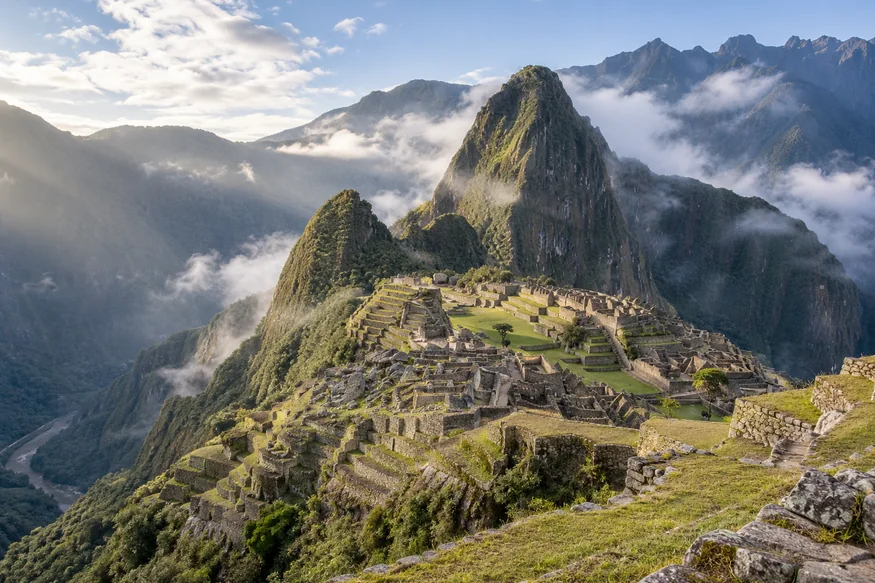
Conditions vary by region. The November outlook identifies the northern coast as an area of particular concern for heavy rain. If your trip includes Cusco, Machu Picchu or another region, check the advisories for that destination and confirm each leg of the itinerary with your operator. ENFEN’s regional outlook
Are Máncora and Punta Sal open during El Niño?
Check three things for your travel date: road access to your accommodation, any beach or swimming restrictions, and whether your booked activity is operating. Each can change independently. Contact your accommodation and tour operator directly for the latest local conditions. Sutran live road map · INDECI hazard bulletins
How long will El Niño last in Peru?
As of ENFEN’s November 13 outlook, coastal El Niño could remain at extraordinary intensity through February 2027 and weaken progressively through July 2027. Check the latest bulletin as your trip approaches. ENFEN official communications